Think Halal, Grow Global: An Afternoon at Radisson Blu
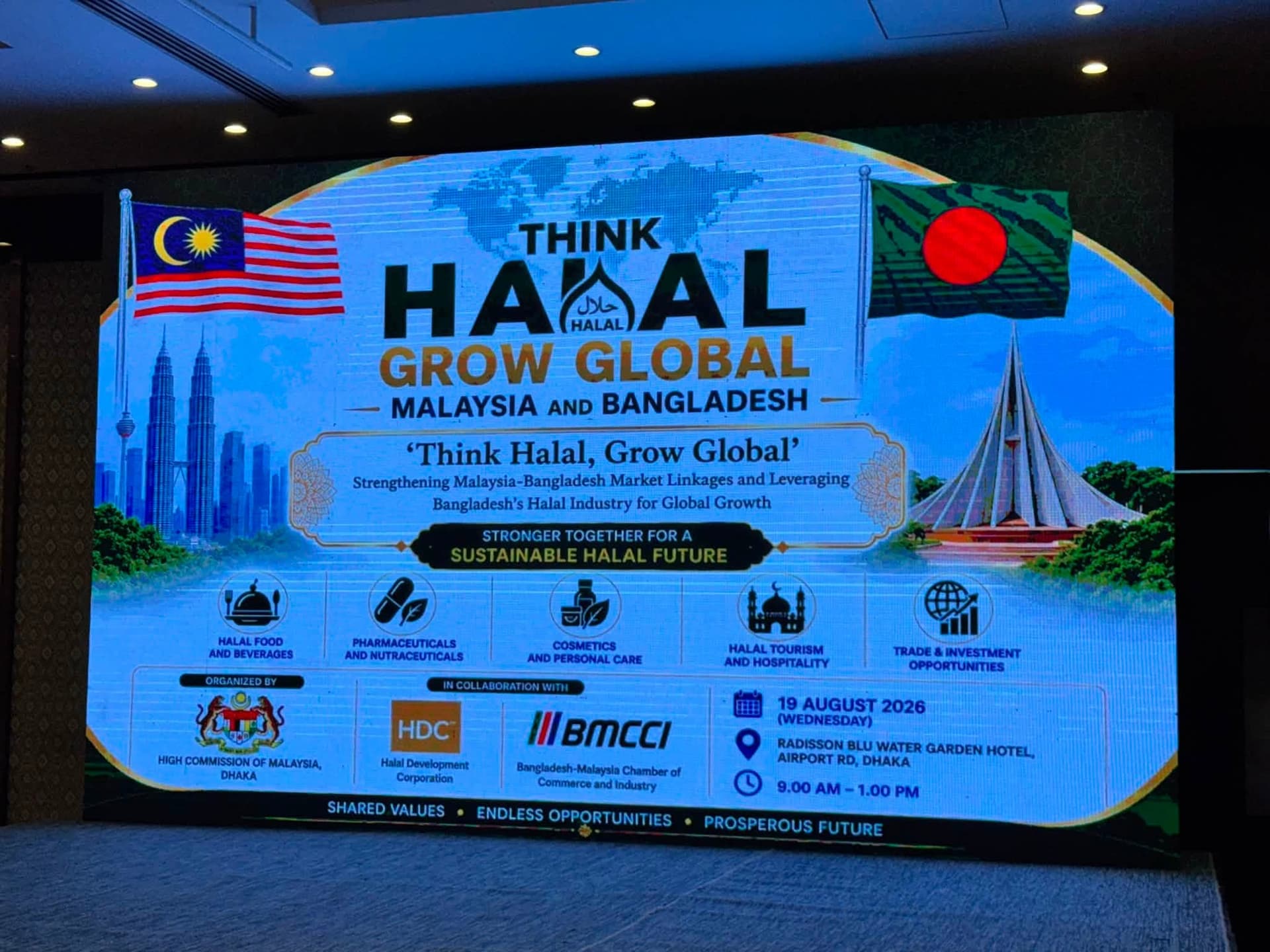
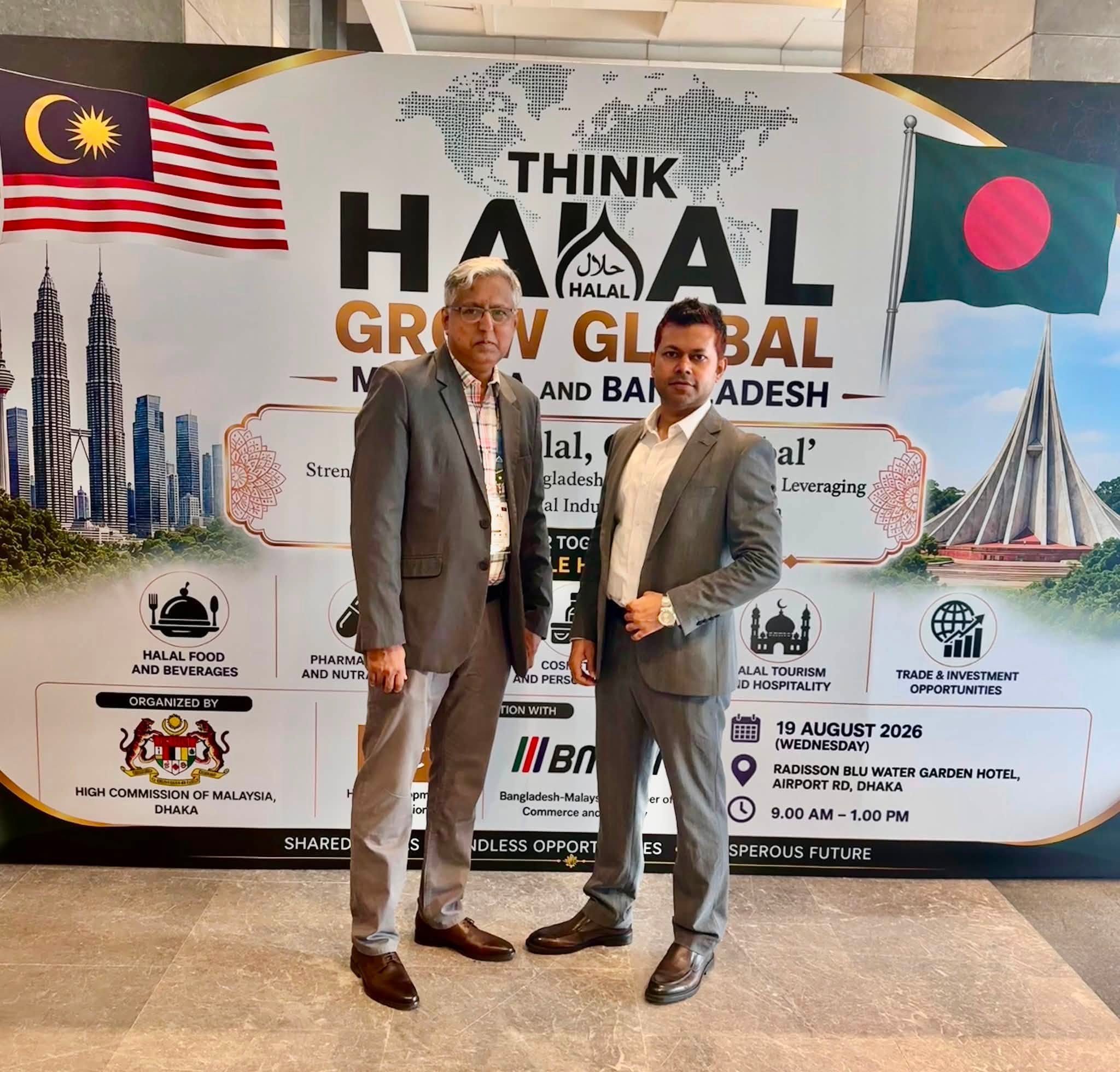
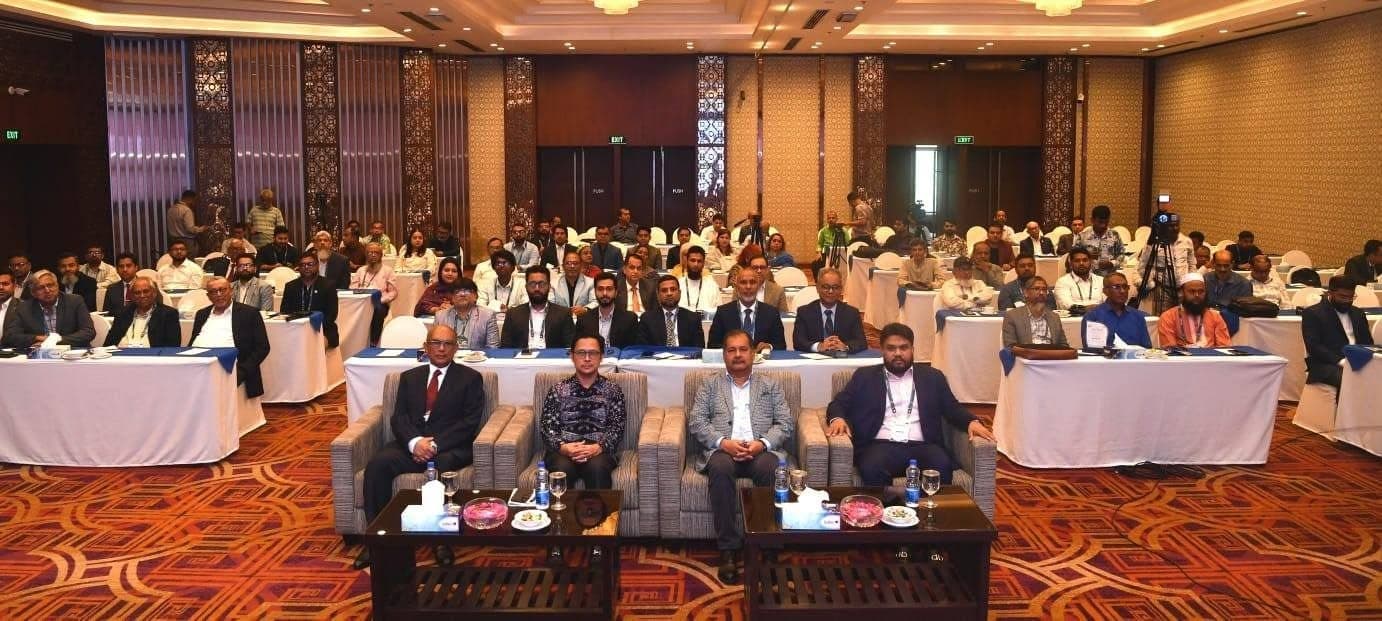
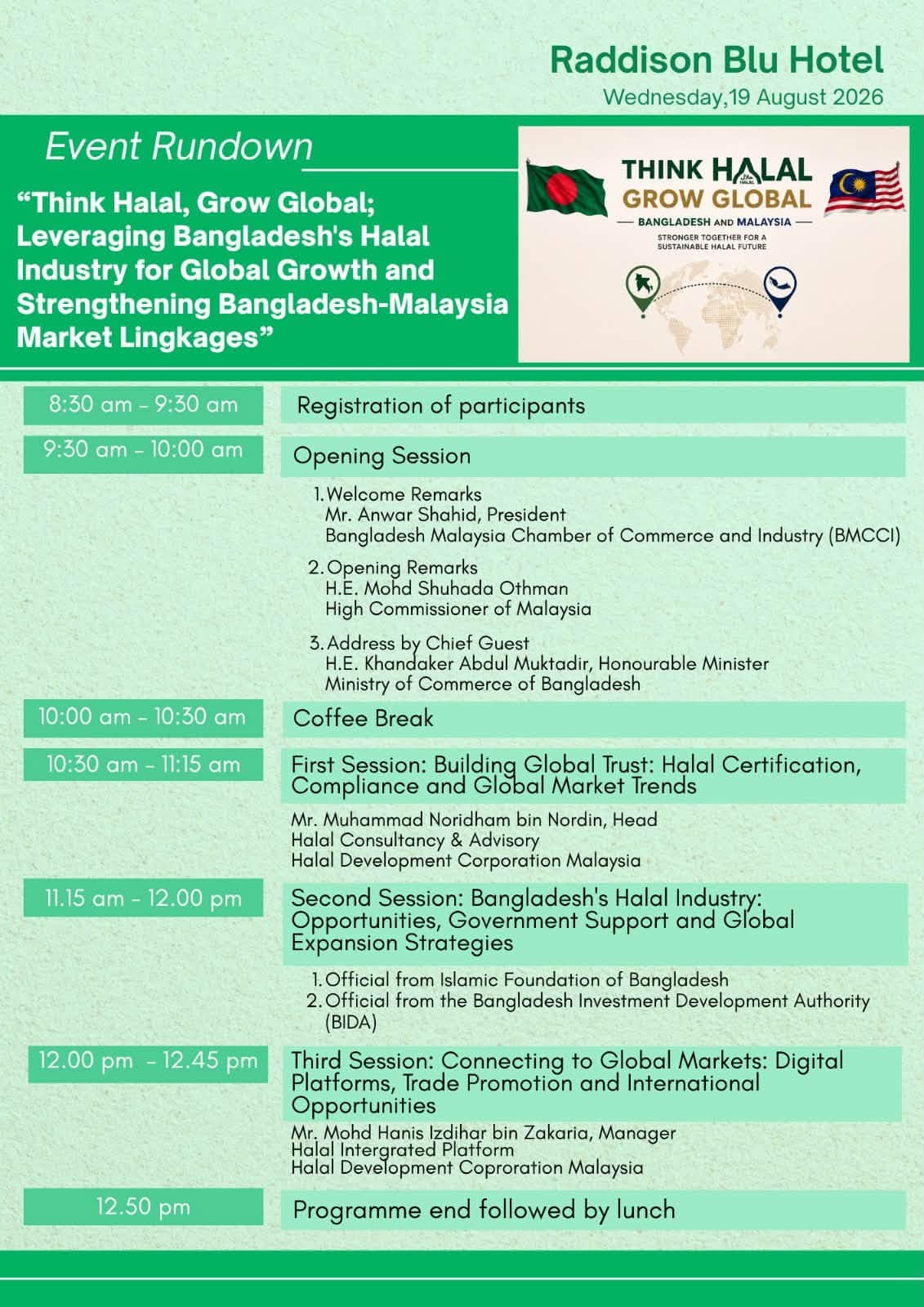
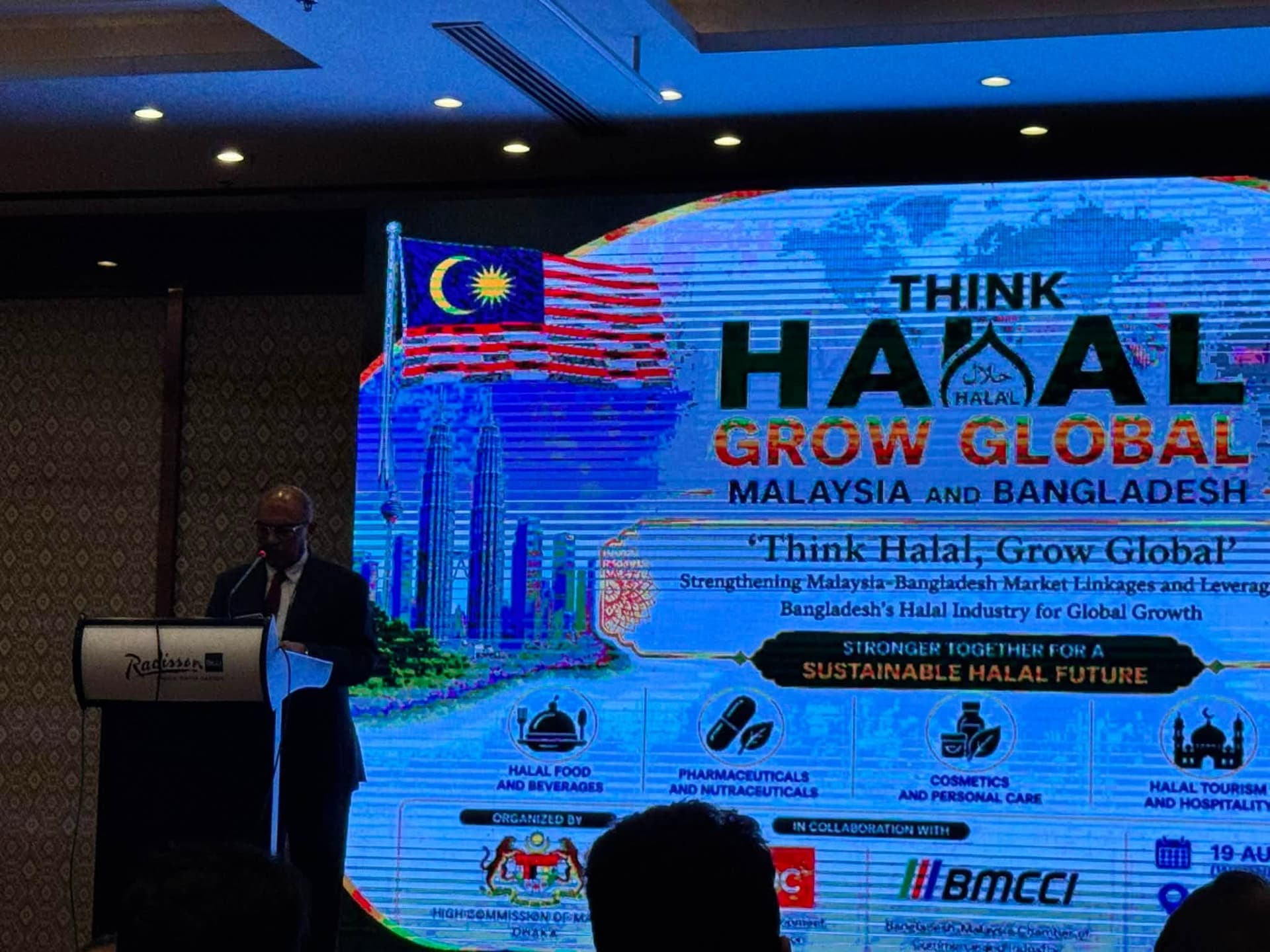
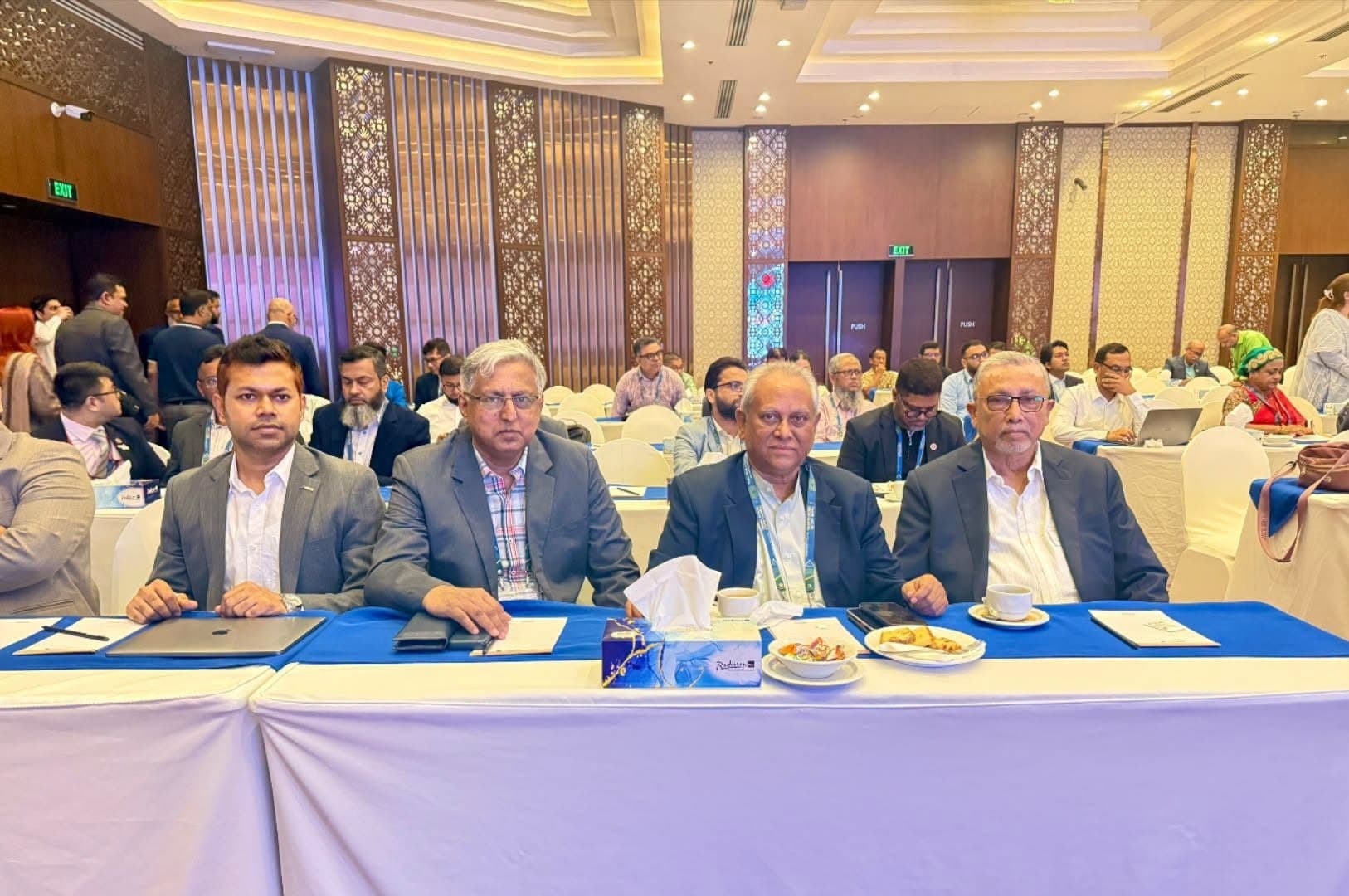
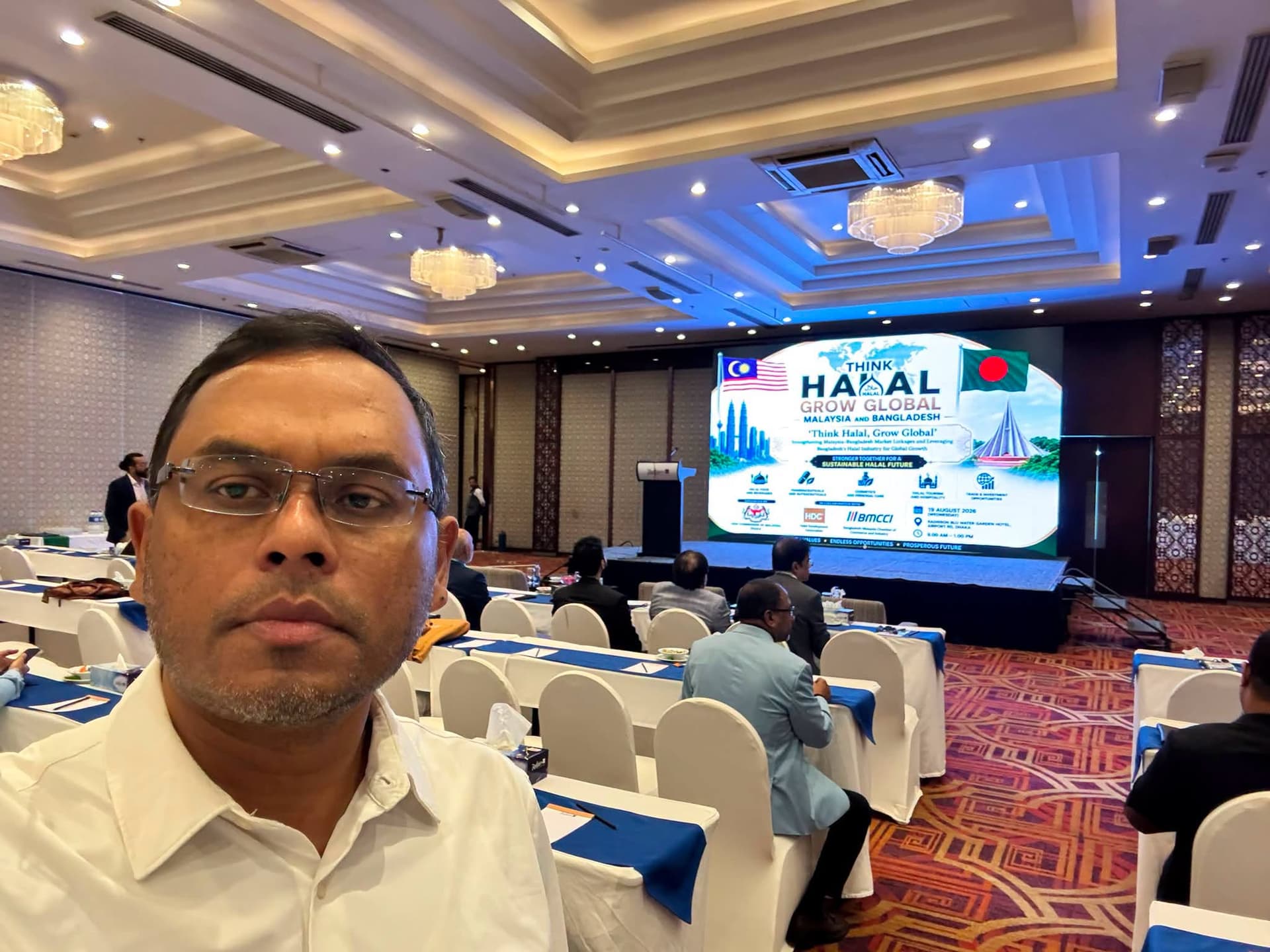
August 19 was one of those Dhaka afternoons where the heat makes you wonder why you left the office. By the time I settled into my seat at Hotel Radisson Blu for the seminar "Think Halal Grow Global," organized by the Malaysian High Commission, the room had filled with an interesting mix: government officials, diplomats, members of the Bangladesh Malaysia Chamber of Commerce and Industries, and entrepreneurs who clearly see halal as a business, not just a label.
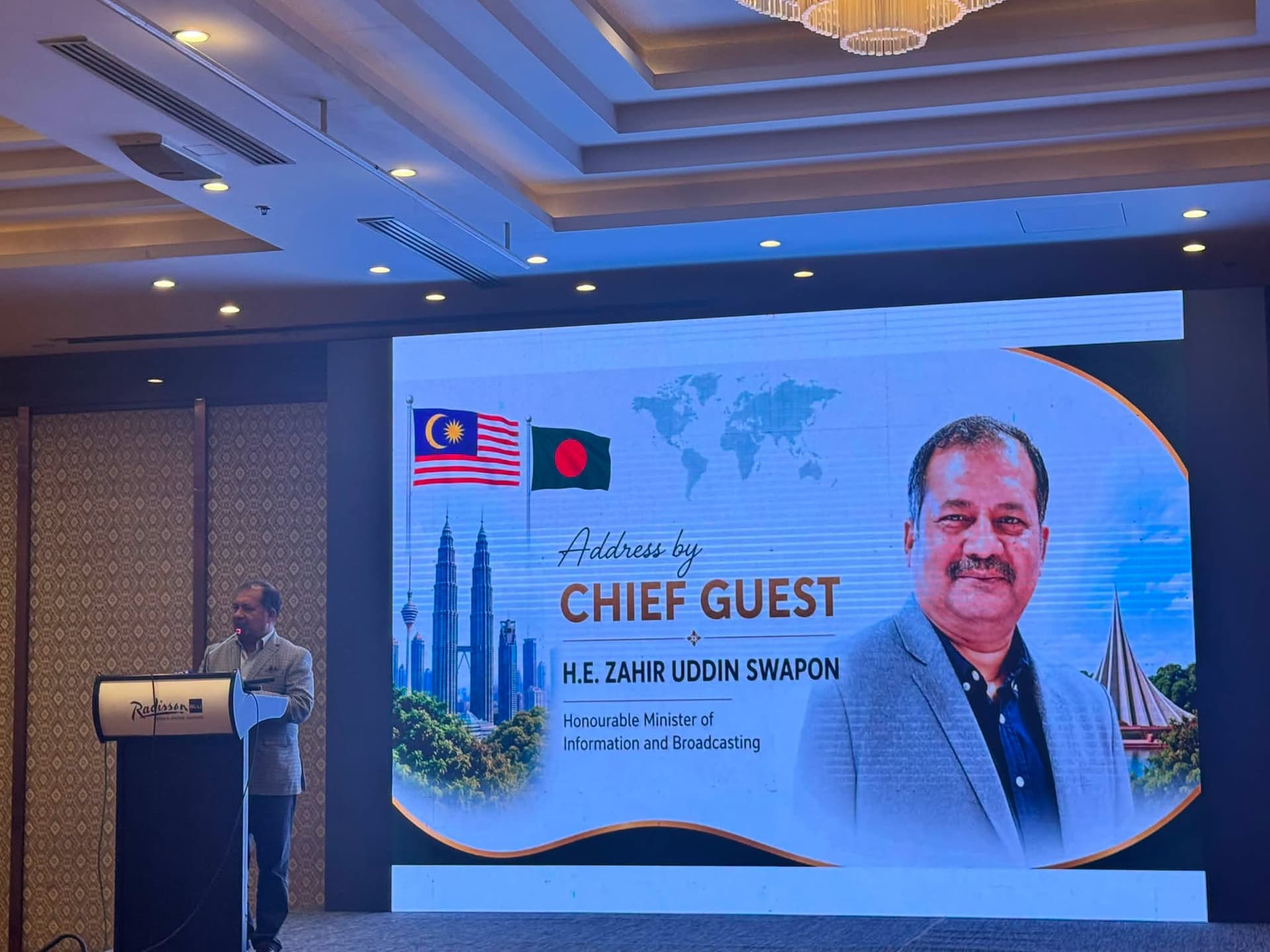
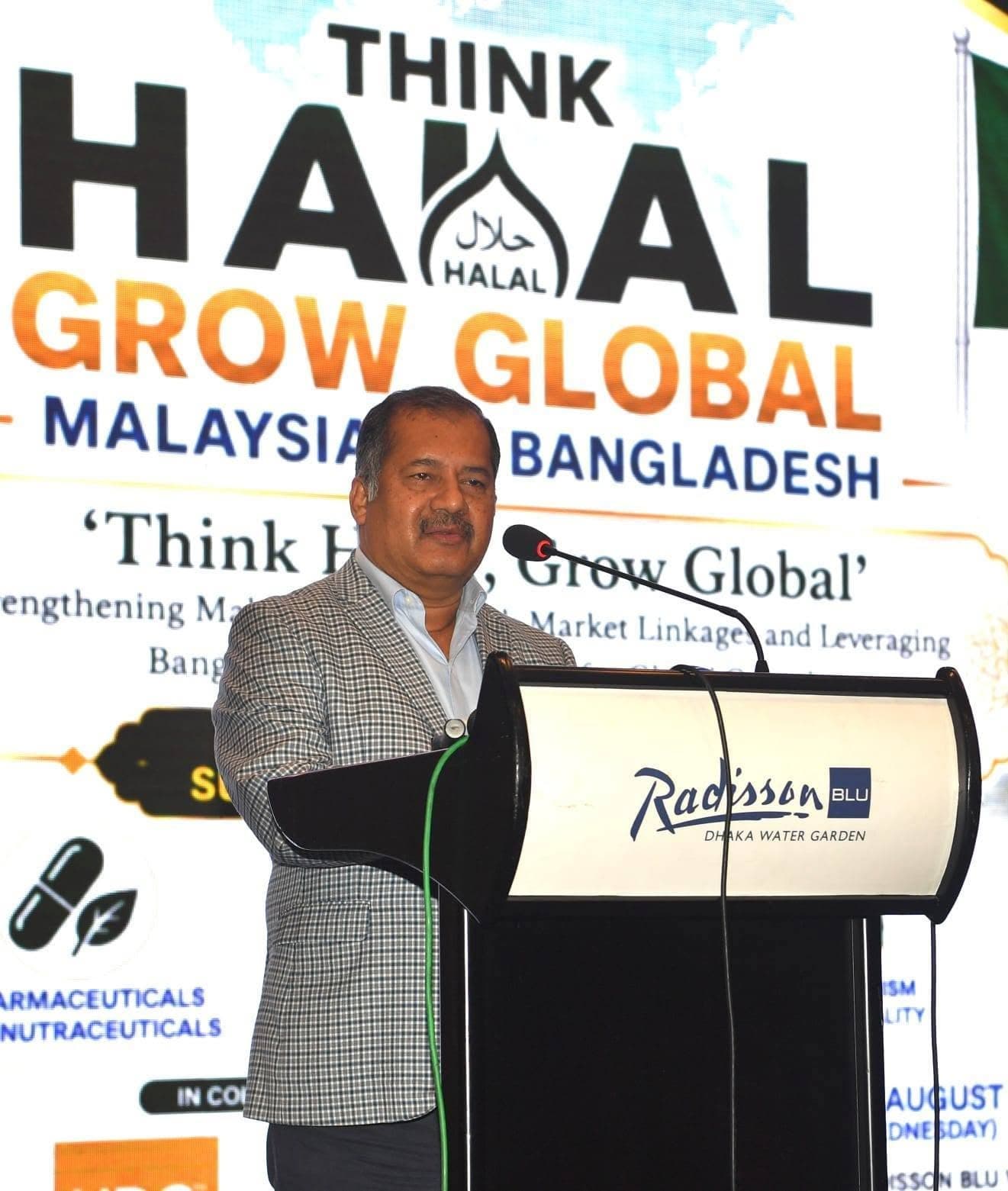
The chief guest was Information and Broadcasting Minister Zahir Uddin Swapan, and his opening argument stayed with me. Halal food, halal culture, and halal values can become an asset and a strength for the entire human civilization, he said, not just for the Muslim world. That framing deserves attention. We are used to hearing halal discussed as a religious or cultural matter. The minister pushed it into a bigger frame: the global economy and human welfare. He pointed out that the global market for halal food is large, demand for halal products is rising, consumers are waiting for better quality halal products, and investors are actively looking for opportunities in this sector.
What struck me most was where he placed the bottleneck. The market is not the problem. Demand is not the problem. The problem, he said, is that entrepreneurs need the right ideas, information, knowledge, and a proper business structure to serve this market. Combine those ingredients and a large market will take shape, and consumer acceptance of halal products will keep growing. He called on entrepreneurs, investors, businessmen, and related institutions to work together. Sitting there, I thought about how true that is of any emerging industry in Bangladesh. The raw opportunity exists; what we lack is usually organization, standards, and the confidence to build for a global customer.
The second half of the seminar was about partnership. The minister referred to our Prime Minister's recent visit to Kuala Lumpur, the warm welcome she received from the Malaysian Prime Minister, and the excellent arrangements made by the Malaysian authorities. He called it a shining example of the friendly relations between the two countries, and expressed gratitude to the Malaysian government and prime minister on behalf of our Prime Minister and government. But his deeper point was that the foundation of Bangladesh-Malaysia friendship is not limited to state-level communication. It can be deepened through people's values, culture, and mutual cooperation, and the halal industry can emerge as an important new area of that cooperation.
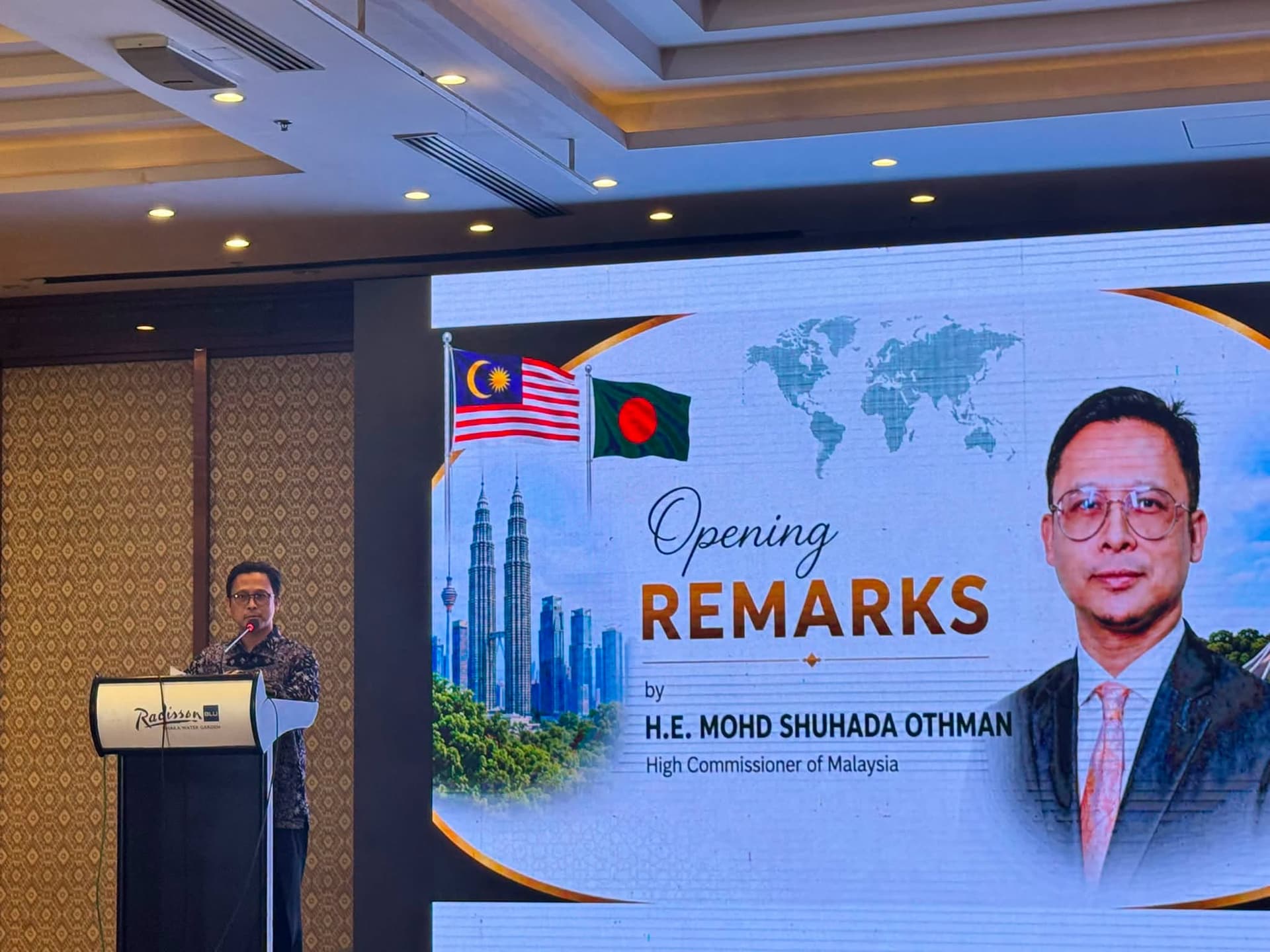
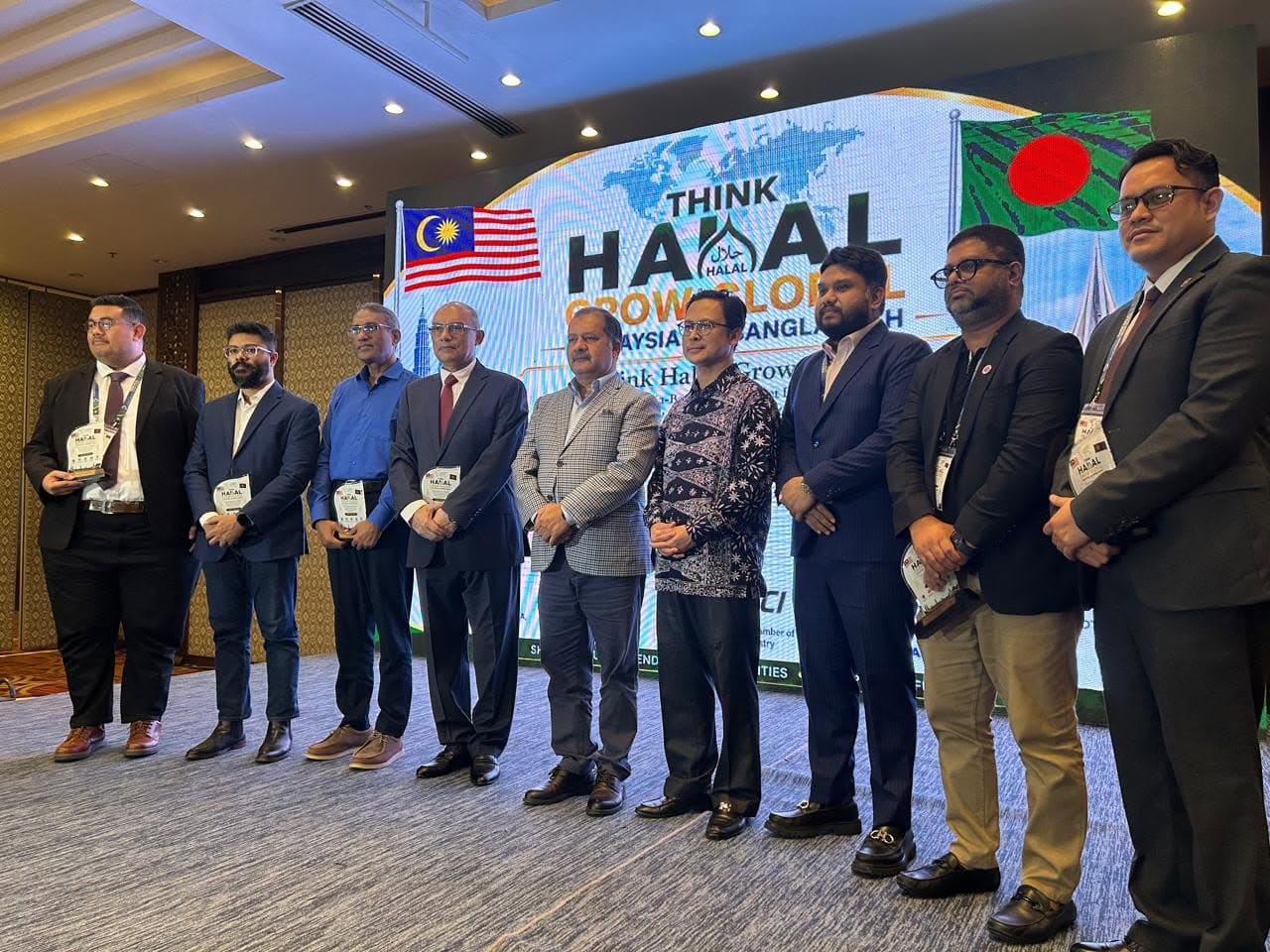
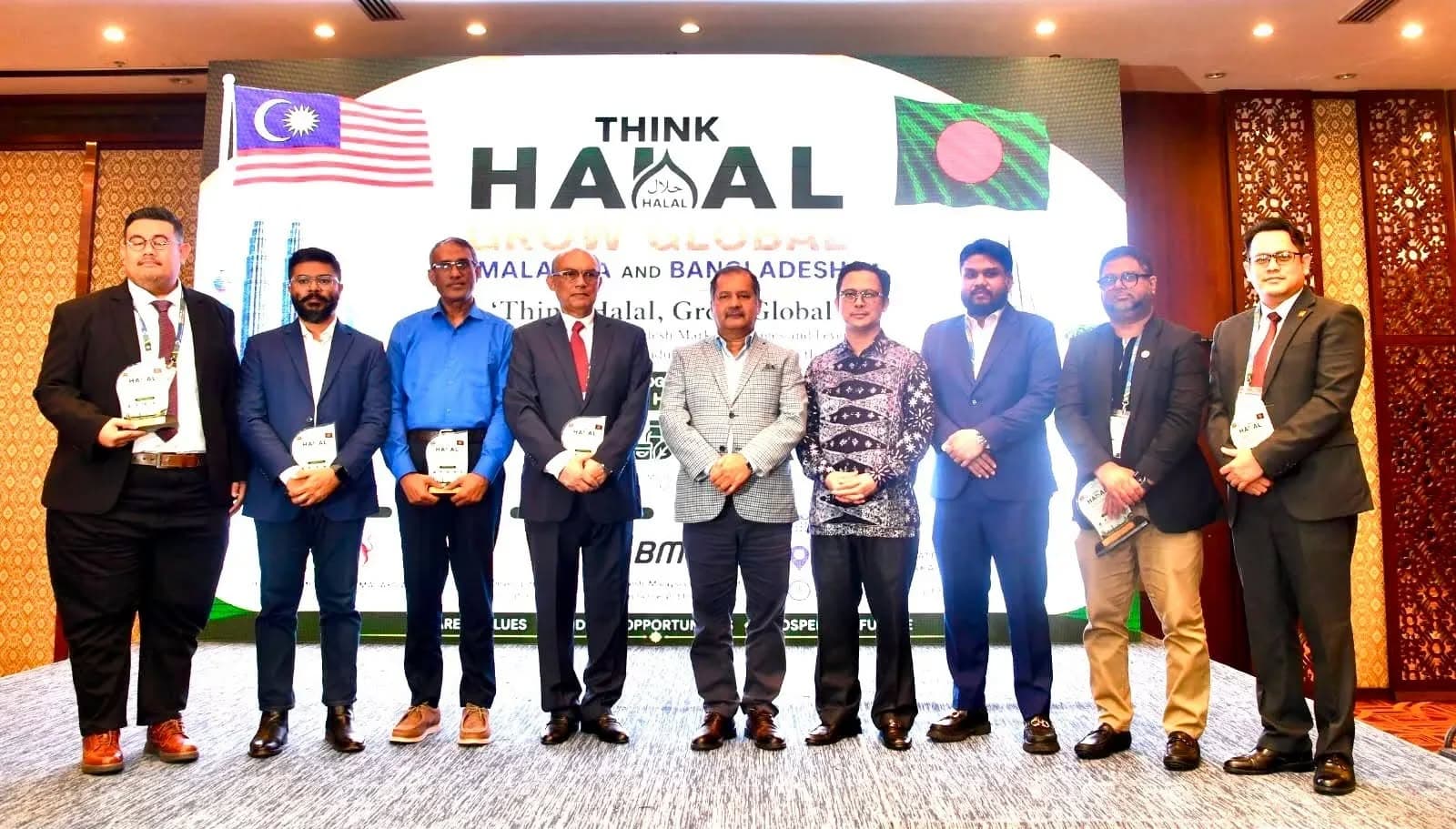
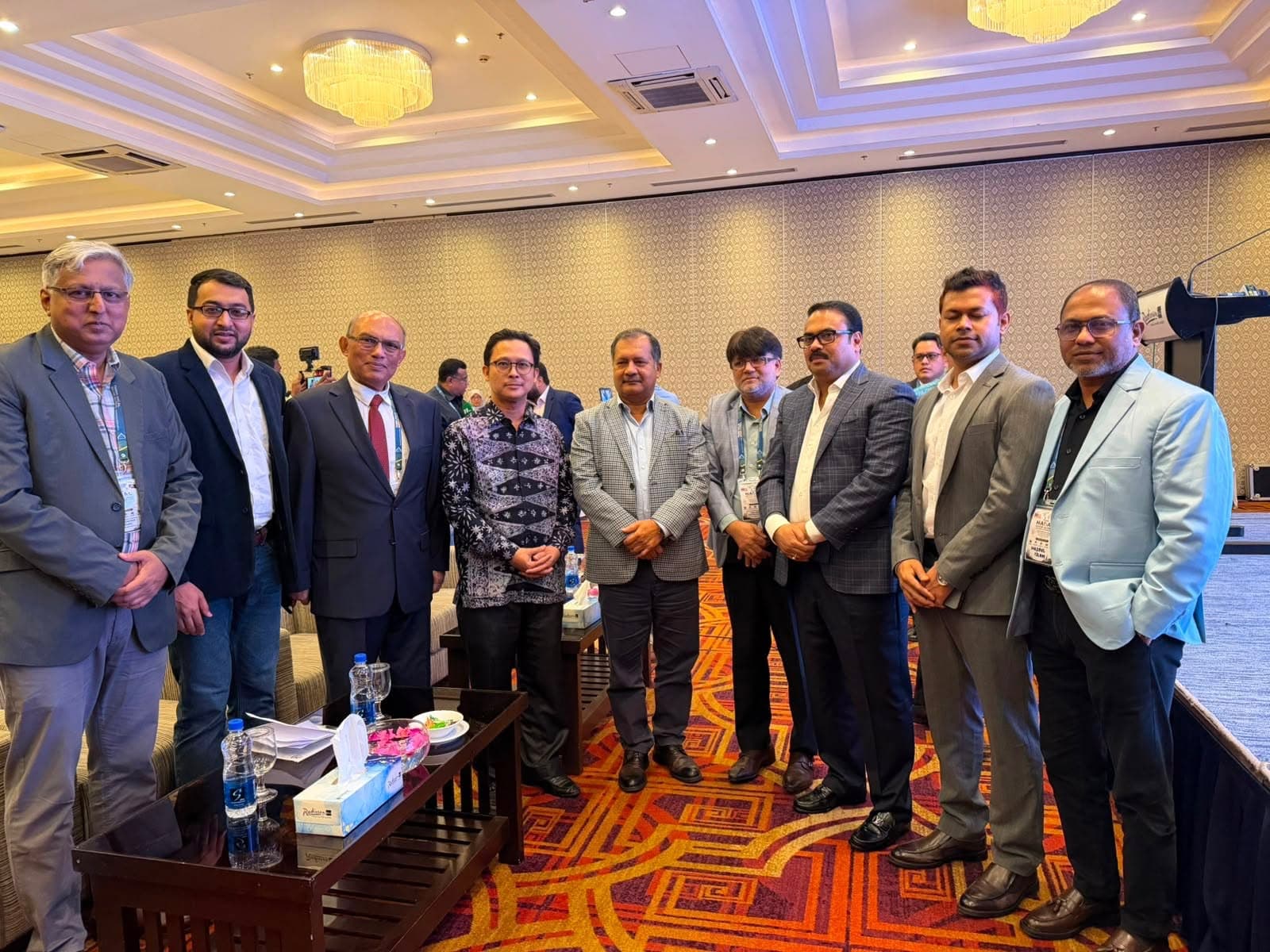
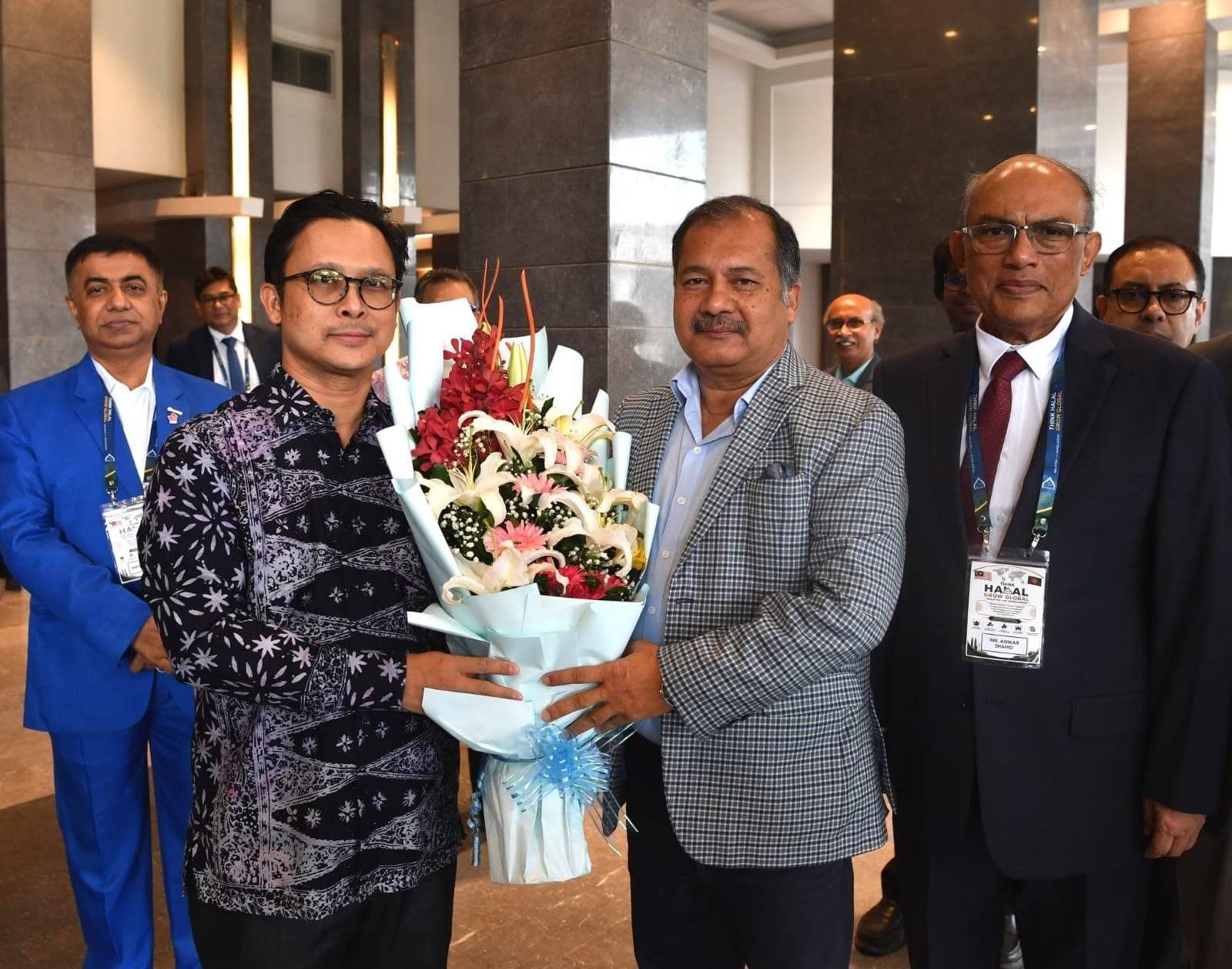
Also on the dais were Malaysian High Commissioner Mohd Shuhada Othaman and Anwar Shahid, president of the Bangladesh Malaysia Chamber of Commerce and Industries, together with businessmen, investors, entrepreneurs, and representatives of related sectors. Their presence said as much as any speech: this is no longer a niche conversation.
I walked out of Radisson Blu with one thought. Halal sits at the meeting point of faith, trade, and diplomacy, and Bangladesh is being asked to take it seriously as an economic opportunity. The minister gave the direction. The demand is real, the investors are searching, and the window is open. The question now is whether our entrepreneurs will show up with the quality, standards, and trust the global market expects.
Seminar Photo Gallery