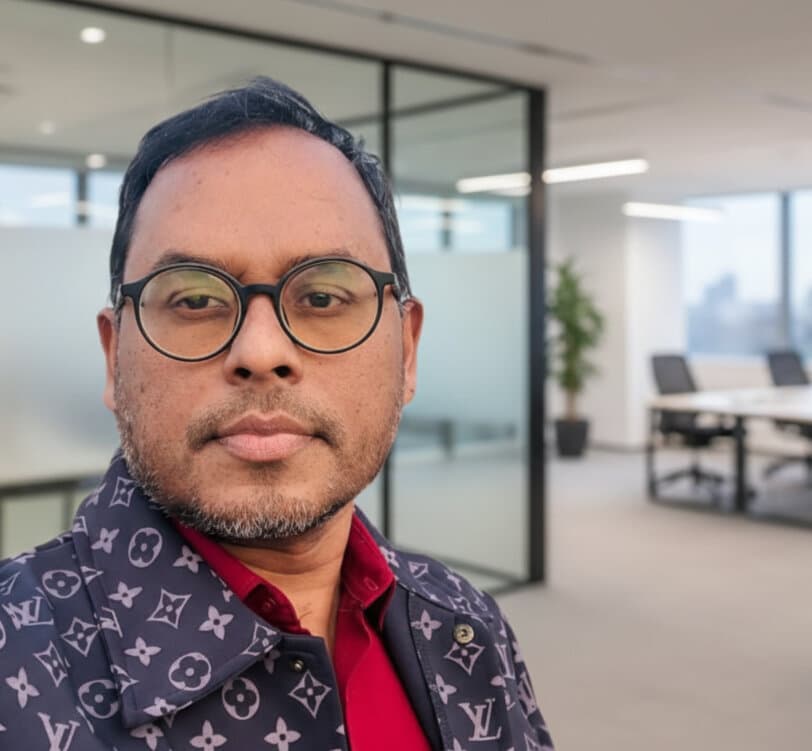
Building Trust Through Tech: My Insights at the DCCI Focus Group on Bangladesh’s Halal Industry
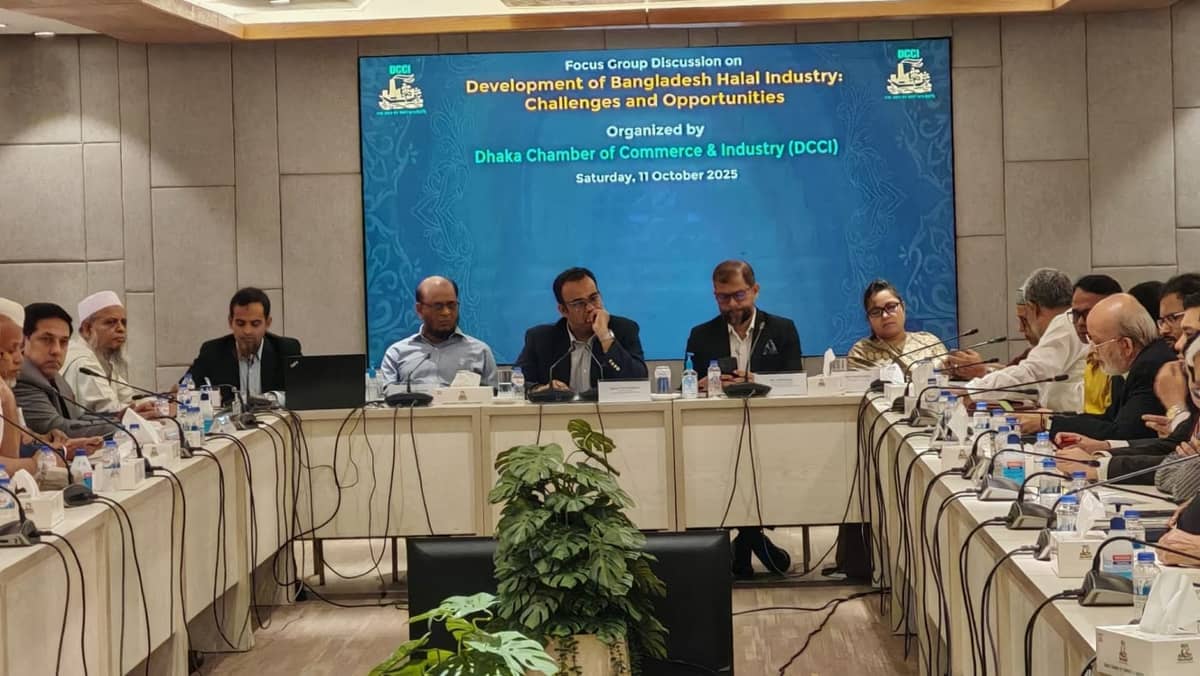
On October 11, 2025, I had the privilege of participating in a Focus Group Discussion (FGD) at the Dhaka Chamber of Commerce and Industry (DCCI) auditorium. The topic—‘Development of Bangladesh Halal Industry: Challenges and Prospects’—couldn’t be more timely. With the global halal market projected to reach a staggering $3.5 trillion by 2028, the conversation was centered on how Bangladesh can transition from a domestic player to a global powerhouse.
The atmosphere in the auditorium was one of urgent opportunity. Experts from the Export Promotion Bureau (EPB) and the Bangladesh Accreditation Board (BAB) shared critical insights on our current bottlenecks: outdated slaughterhouses, a lack of international-standard testing labs, and a general gap in traceability. As I listened to the keynote paper presented by Dr. Mominul Islam, it became clear that while we have the raw potential, our infrastructure remains largely manual and siloed.
The Missing Link: Digital Transparency
When it was my turn to speak, I chose to focus on the technical evolution required to bridge this gap. In today's global market, "Halal" is no longer just a religious designation; it is a premium benchmark for hygiene, safety, and ethical sourcing. To meet these standards, we cannot rely on conventional paper-based systems that are prone to errors and lack real-time accountability.
I proposed a fundamental shift toward a single digital platform for halal registration, certification, and traceability. The core of this ecosystem must be built on blockchain technology.
Why Blockchain?
Blockchain isn’t just a buzzword here; it’s a necessity for trust. Imagine a world where an international buyer can scan a QR code on a product and see its entire journey—from the farm to the processing plant, to the testing lab, and finally to the retail shelf.
By decentralizing the data, we can:
- Prevent certificate forgery.
- Ensure that every stage of the supply chain adheres to strict Halal protocols.
- Build the "Made in Bangladesh" brand as a symbol of integrity.
A digital system also lowers the barrier for entry. Automated certification processes can help smaller local players join the global halal supply chain more transparently.
A Connected Ecosystem
The vision I shared at DCCI wasn't just about software; it was about building a connected ecosystem that brings together manufacturers, testing laboratories, logistics providers, and international buyers. As the Managing Director of Metamorphosis Ltd., I've seen how digital transformation can revolutionize business efficiency, and the Halal sector is ripe for this change.
To capture our rightful share of the global market, we must move beyond traditional methods. By adopting technologies like blockchain and automated certification, we can build a credible, globally recognized Halal brand for Bangladesh.
I left the session feeling optimistic. The consensus among the participants—including DCCI leadership and government officials—was clear: the path forward requires a concerted effort to modernize. For Bangladesh, the future of Halal is not just about production; it’s about provenance, and technology is the only way to prove it at scale.
DCCI Review Magazine Highlights
The discussion was also featured prominently in the Dhaka Chamber Review Magazine (December 2025). Read the full magazine edition here.
Here are the key excerpts from Page 13 of the publication:
"Dhaka Chamber of Commerce & Industry (DCCI) organized a Focus Group Discussion (FGD) on 'Development of Bangladesh Halal Industry: Challenges and Opportunities' on Saturday, 11 October 2025. This FGD aimed to disseminate information about the global and national halal food industry, identify challenges in certification and governance, and develop constructive policy recommendations for establishing a robust halal ecosystem in Bangladesh that can attract investment, enhance exports in the global halal value chain."
"Razeev H Chowdhury, Senior Vice President, Dhaka Chamber of Commerce & Industry (DCCI), delivered the welcome remarks and moderated the event. Keynote paper presented by Dr. Mominul Islam, Assistant Professor, IUBAT. The distinguished panel included Md Abul Kalam Azad, Assistant. Manager-Export, Paragon Group, Sadiq M. Alam, Managing Director and COO, Metamorphosis, AGM Sayadul Haq Bhuiyan, Head of Supply Chain and Export, Bengal Meat, Dr. Md. Abu Saleh Patwary, Deputy Director, Islamic Foundation, S. M. Abu Sayed, Deputy Director (Halal Certification, CM), BSTI, Baby Rani Karmakar, Director General-1 (Joint Secretary), Export Promotion Bureau (EPB), Md. Ariful Hoque, Director General (Joint Secretary), International Investment Promotion, BIDA, Mohd. Aminul Islam, Director General, Bangladesh Accreditation Board, Ministry of Industries, GoB. Members of the DCCI Board of Directors were also present at the event."
"Despite its high potential, Bangladesh faces several structural and institutional bottlenecks in unlocking the prospects of the halal industry. The major challenges include non-compliance with international standards, a complex and time-consuming certification process, inadequate laboratory and technological facilities, insufficient skilled human resources, weak traceability systems, and poor logistics infrastructure."
Featured in the Media
Halal industry growth in Bangladesh needs concerted effort: DCCI
Read articleExperts call for stronger halal infrastructure to boost Bangladesh’s global competitiveness
Read articleBangladesh missing out on $3tn global halal market
Read articleFGD on “Development of Bangladesh Halal Industry: Challenges and Prospects”
Read articleFocus Group Discussion on Halal Industry
Read articleAre you involved in the Halal industry or curious about how blockchain can secure your supply chain? Let’s connect and discuss how we can build a smarter, more transparent future for Bangladeshi exports.
Interested in similar events?
Reach out to invite Sadiq M Alam to your next event or discuss potential collaborations.
Get in Touch