The Solo Consulting Stage: Reflections from the Solo Consultants Summit
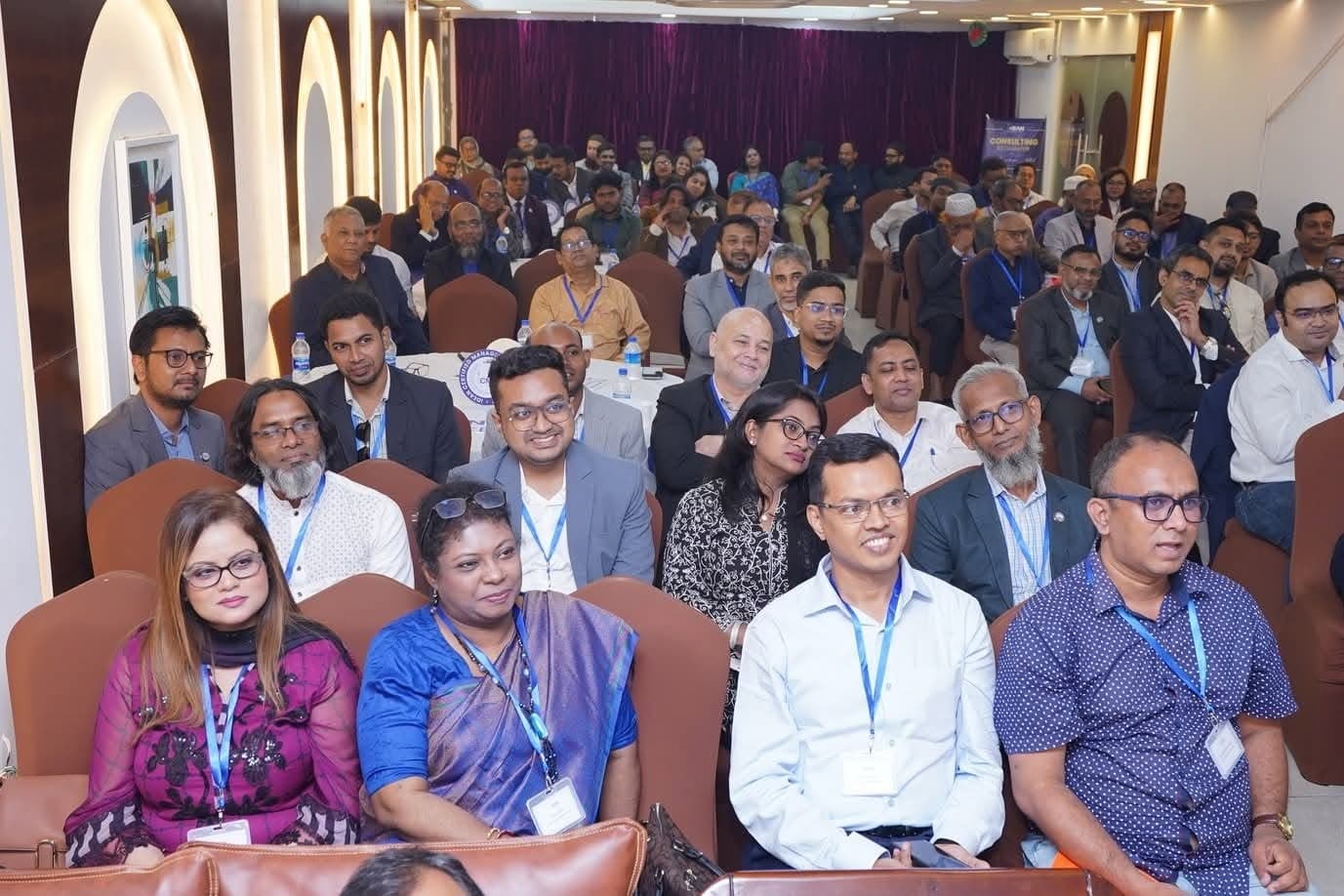
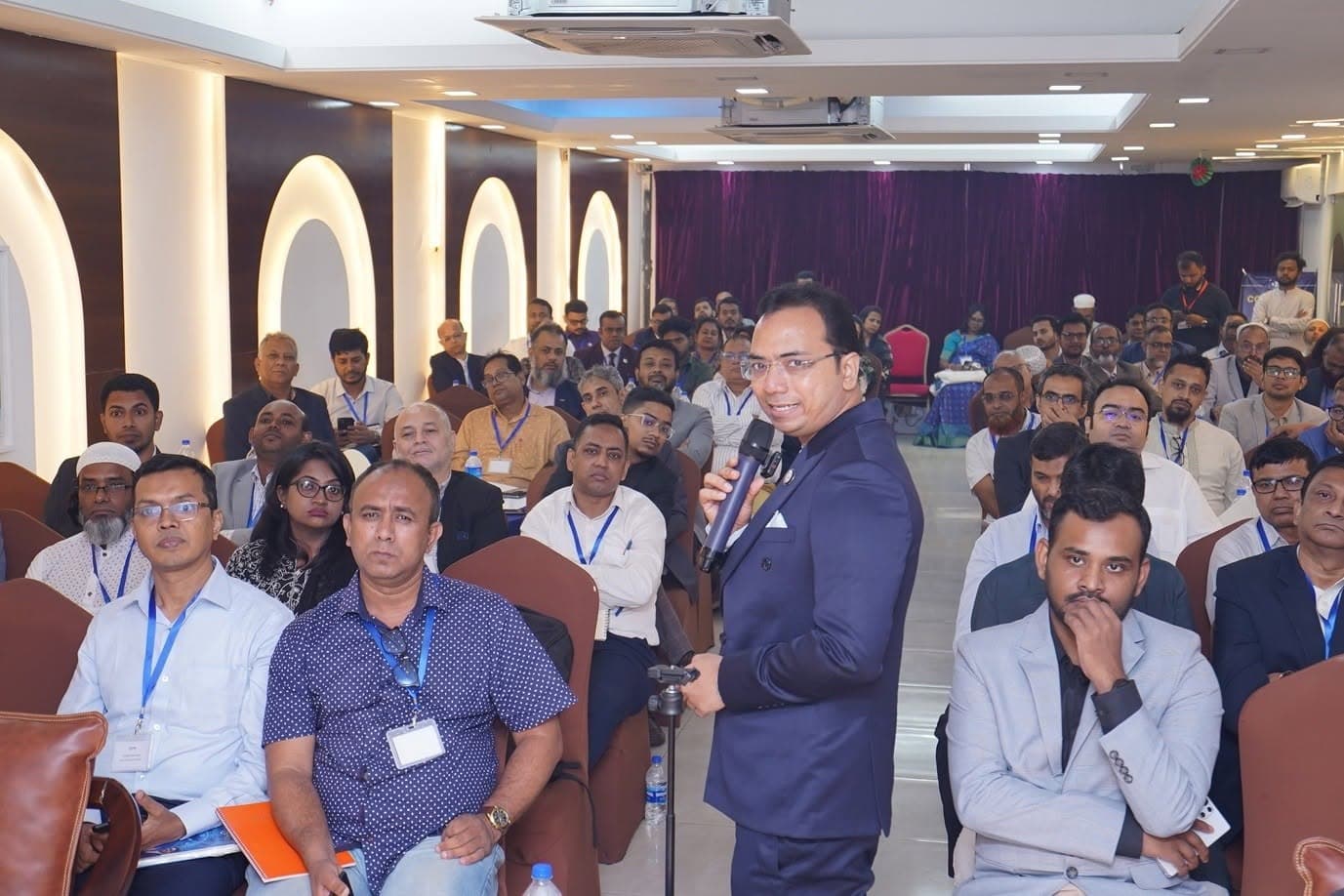
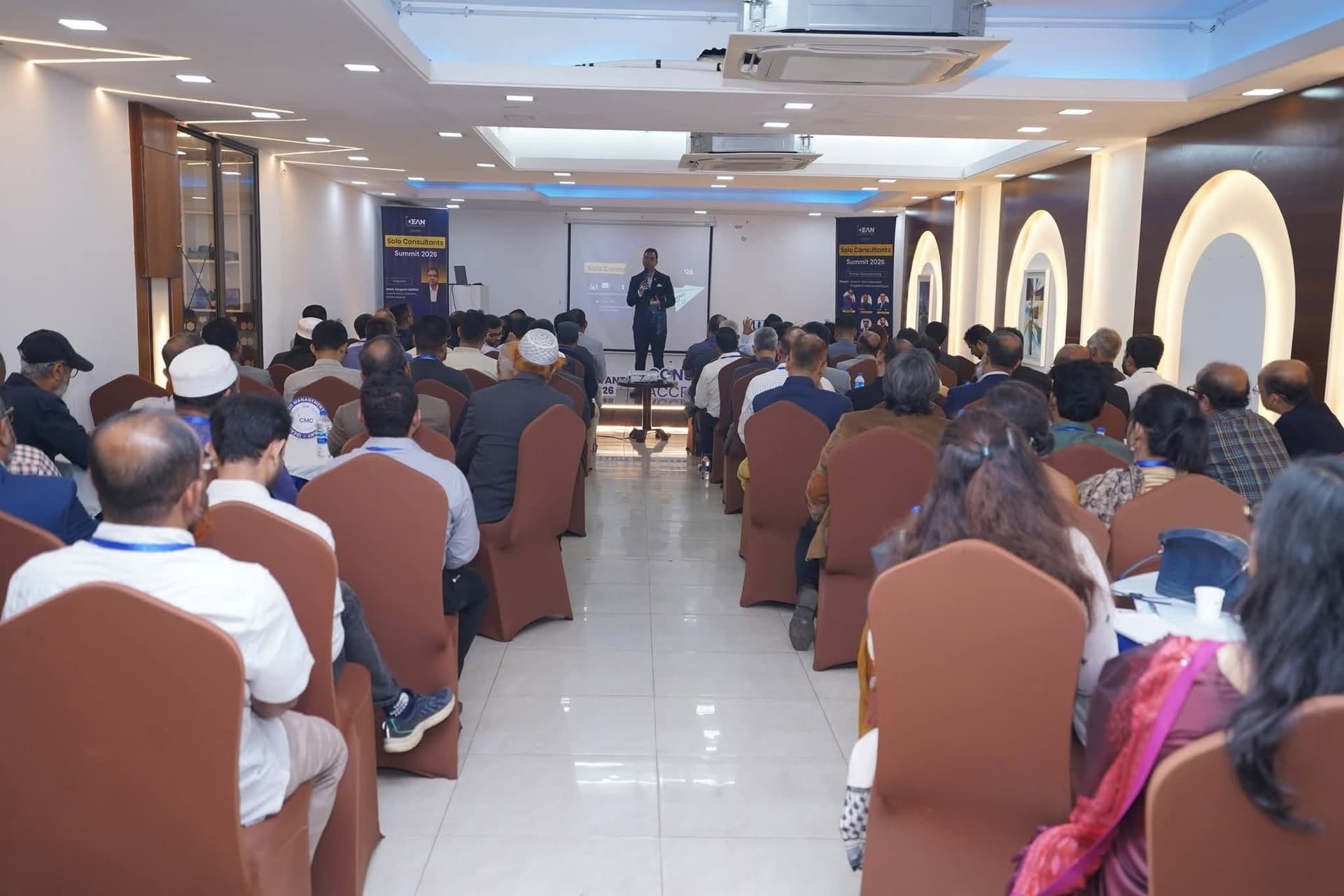
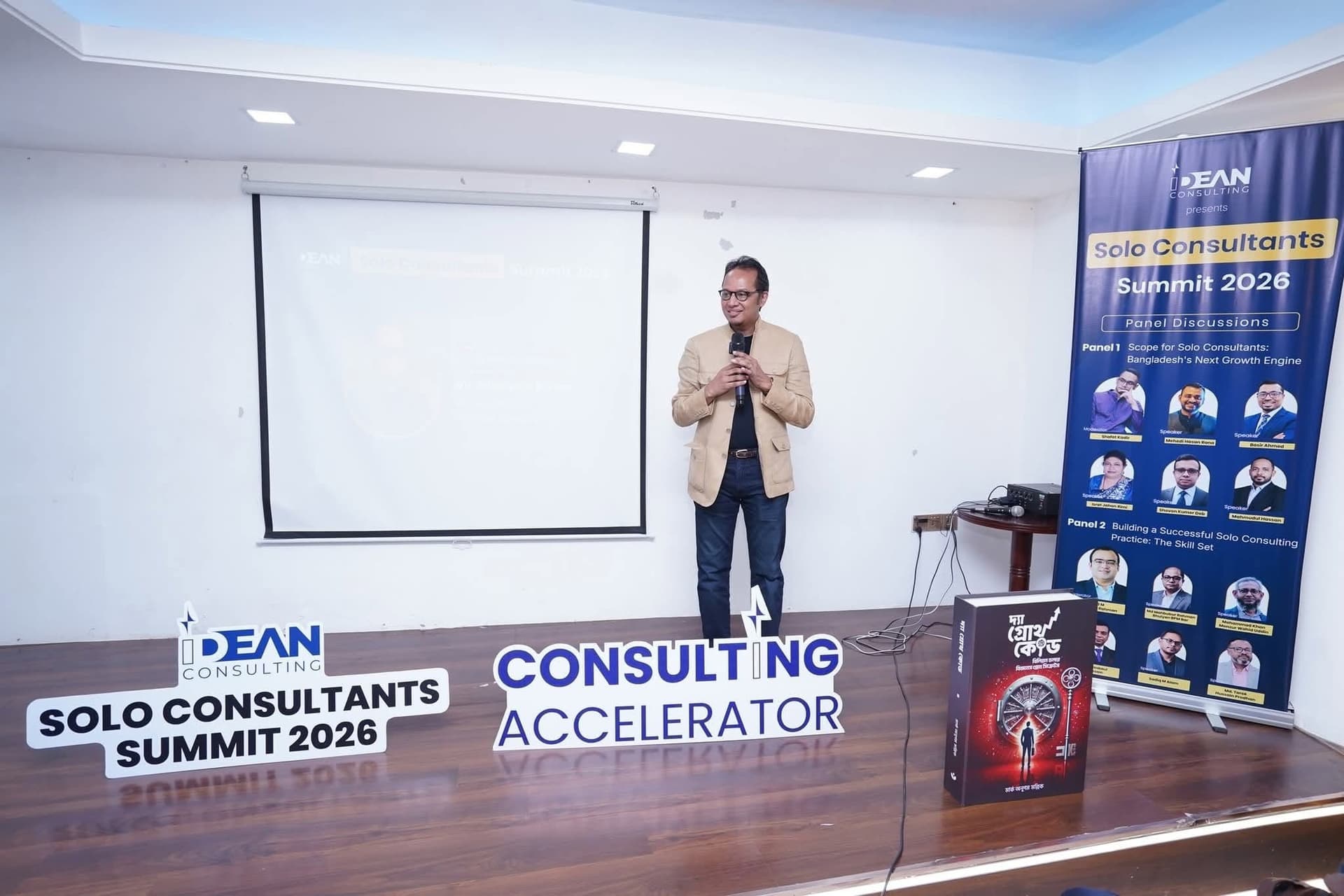
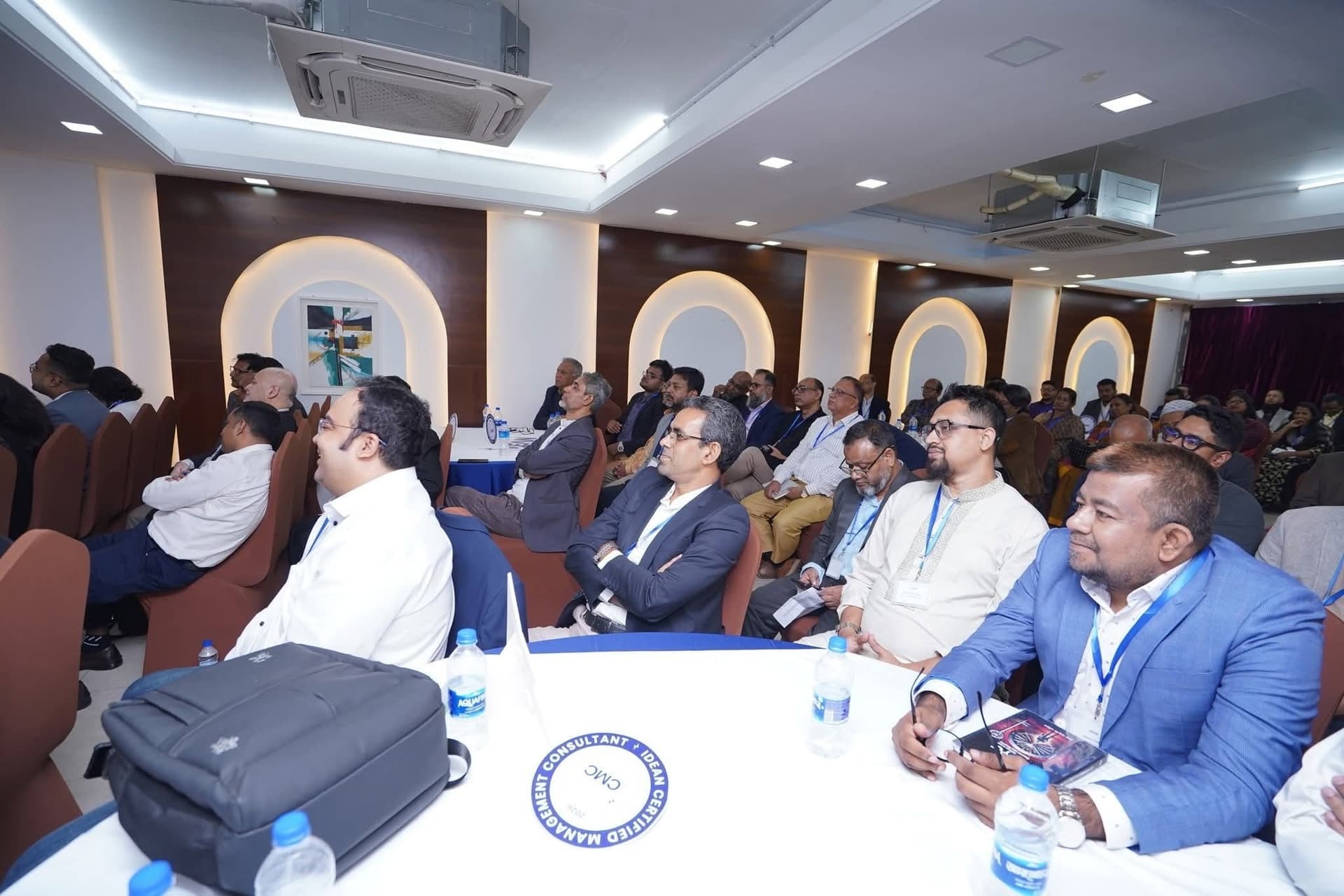
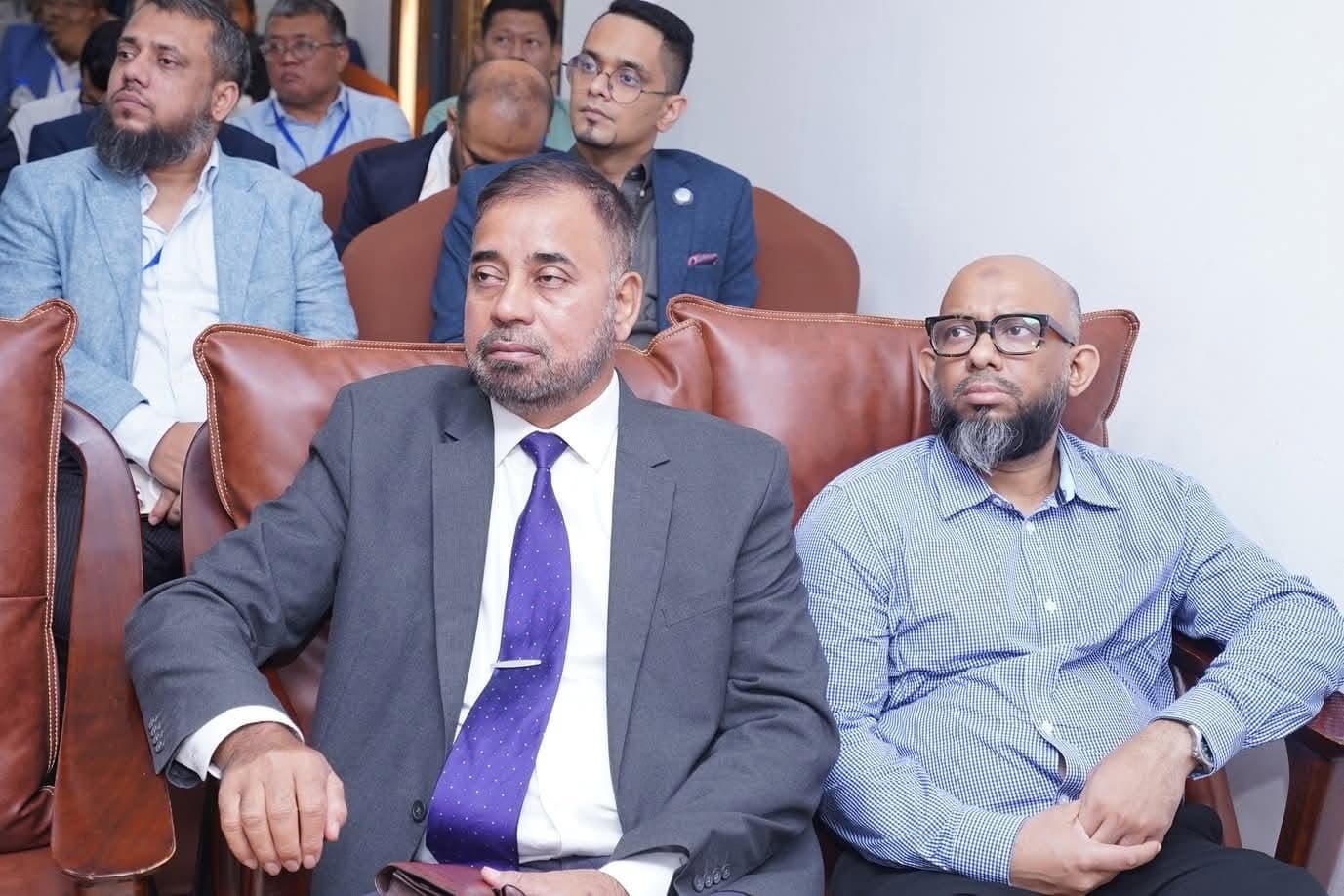
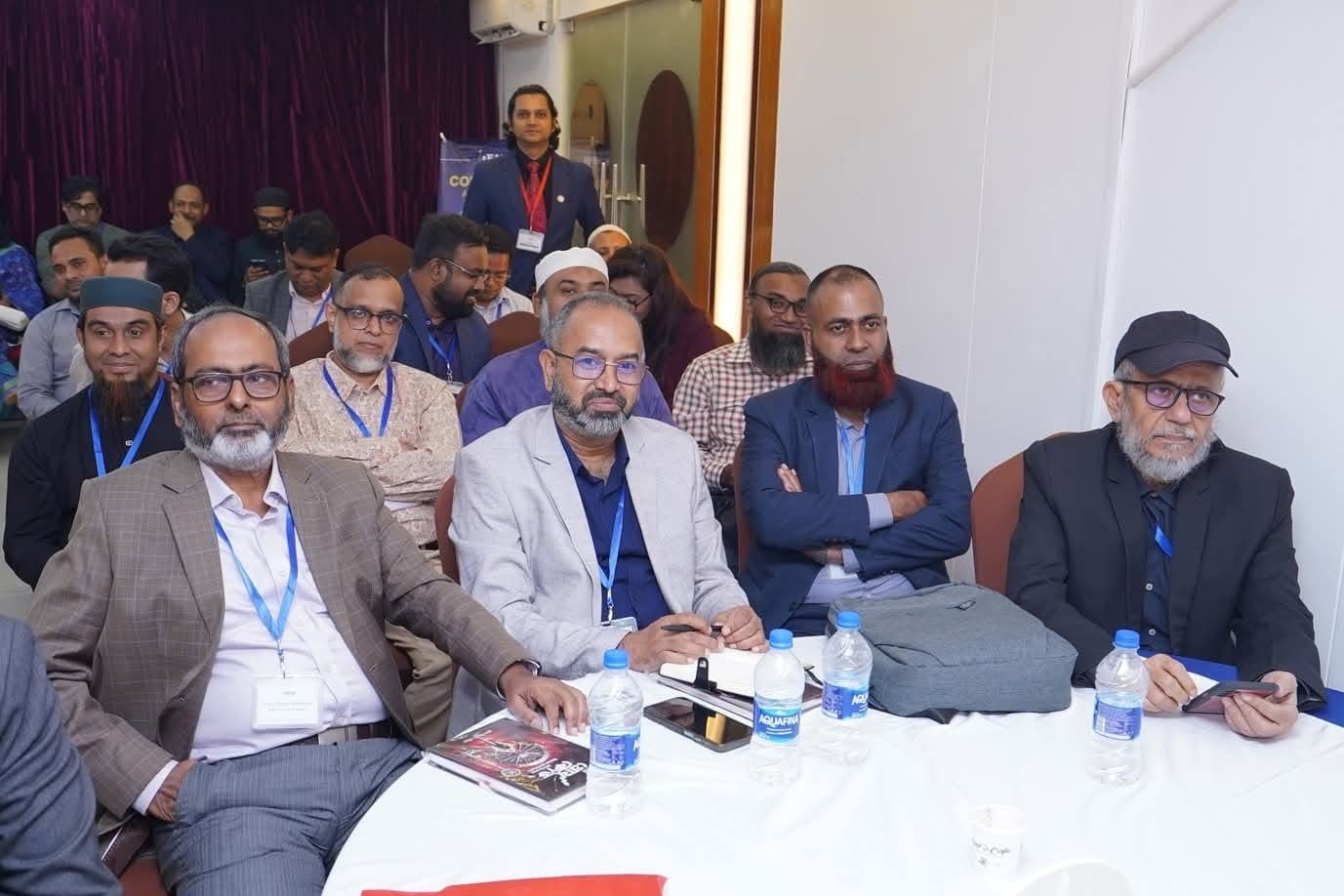
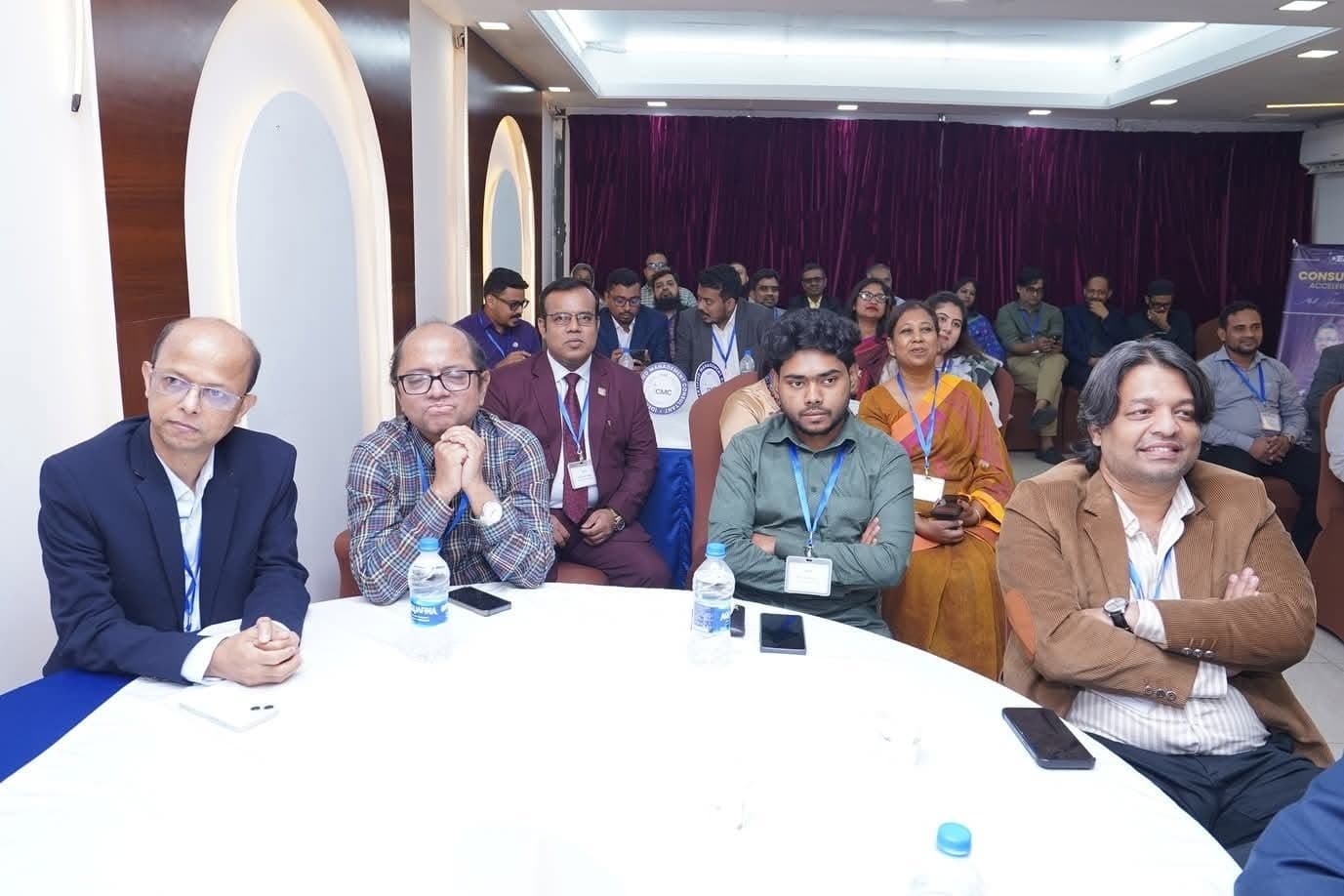
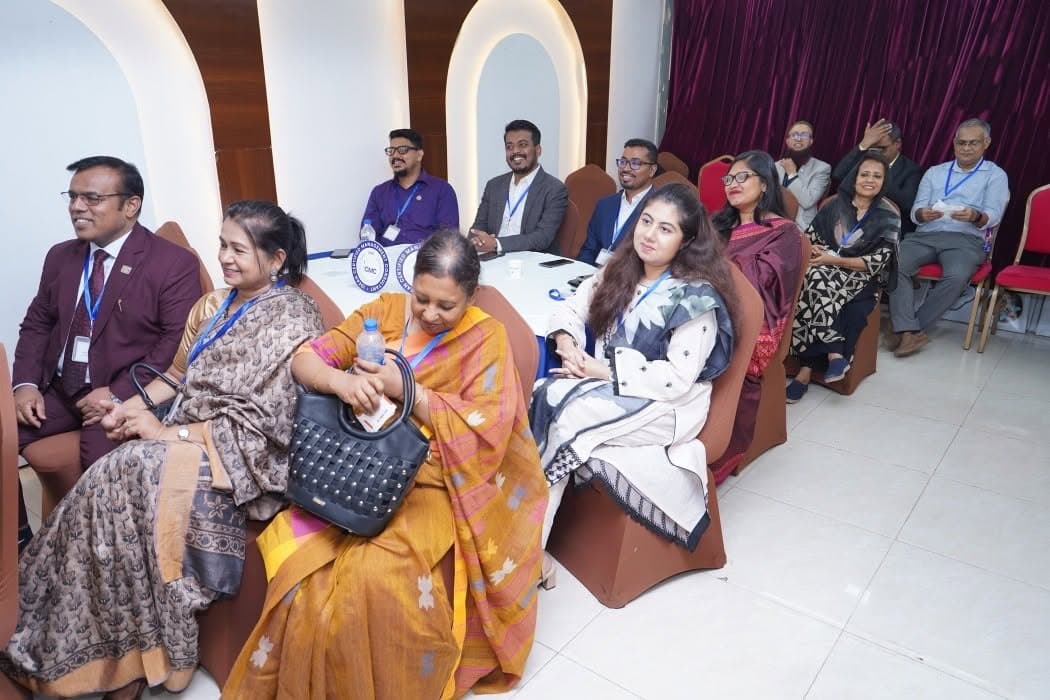
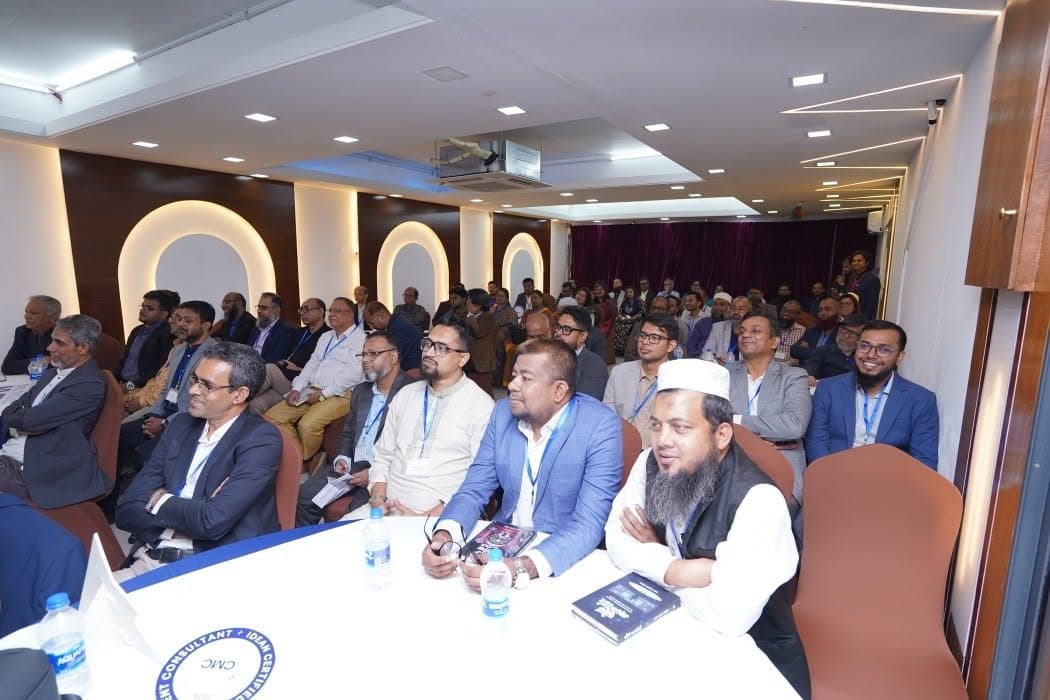
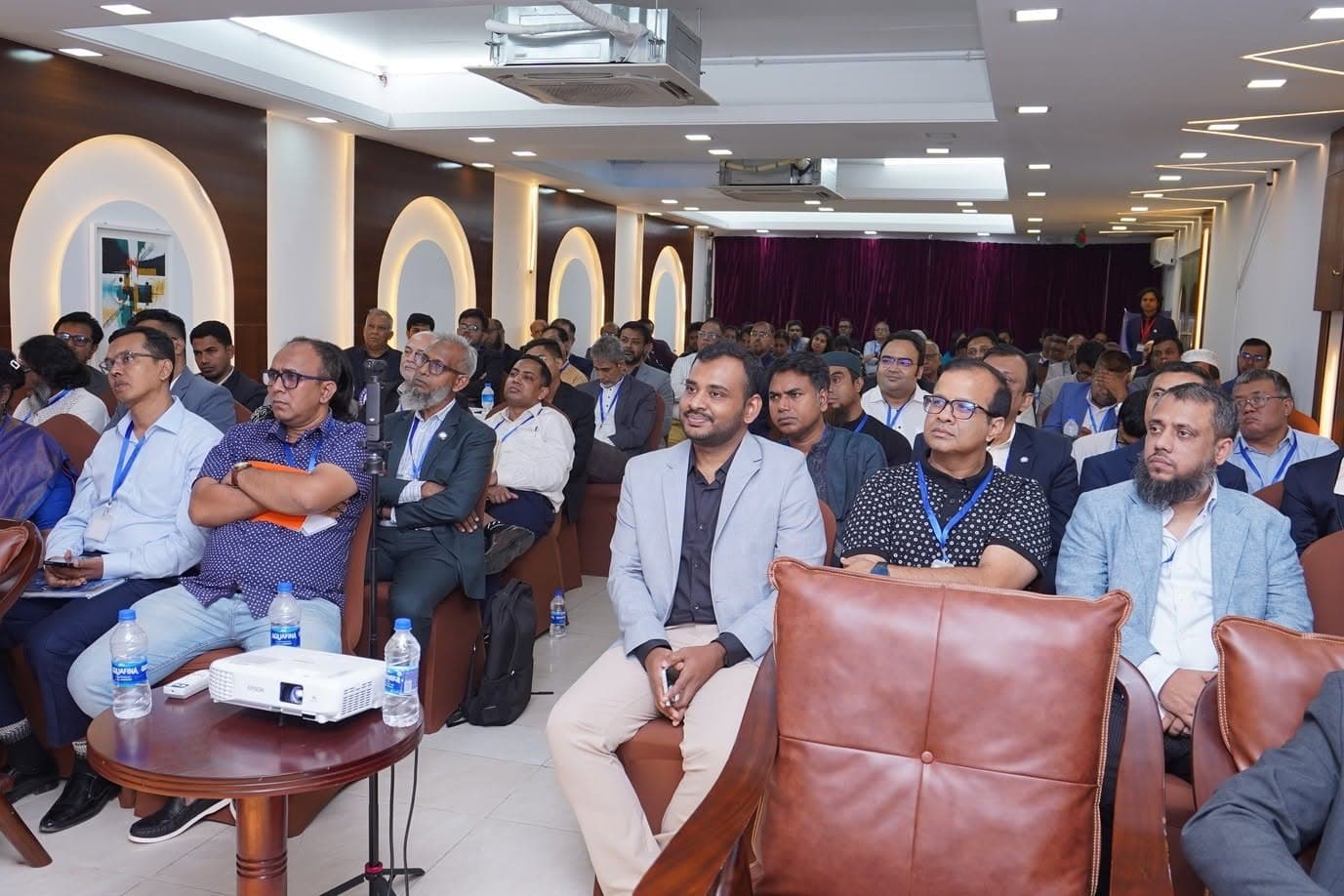
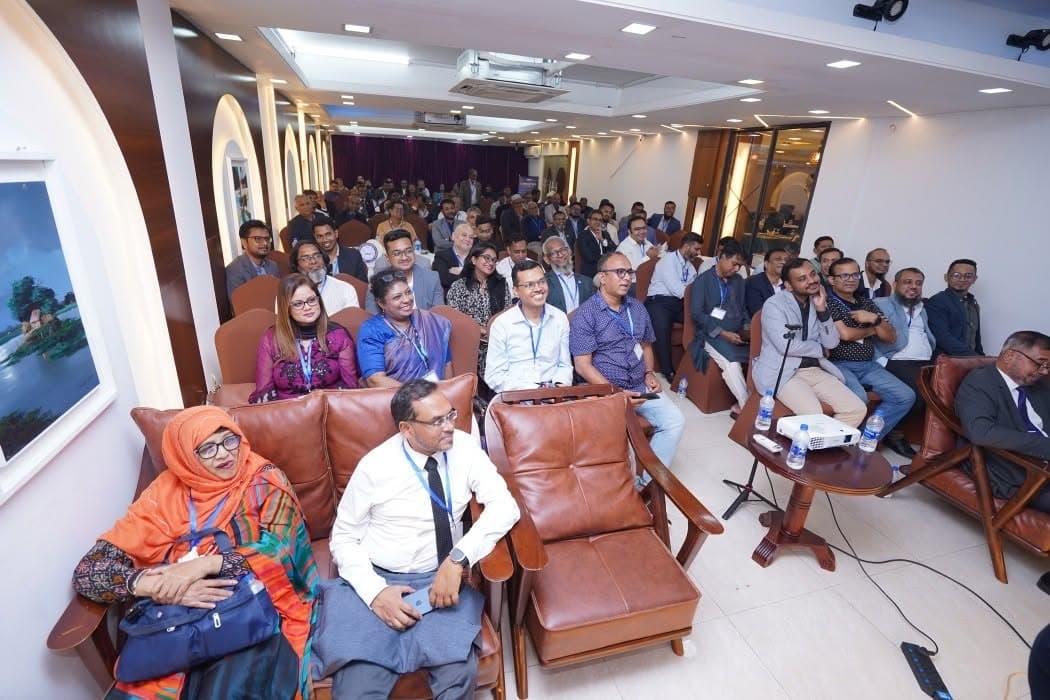
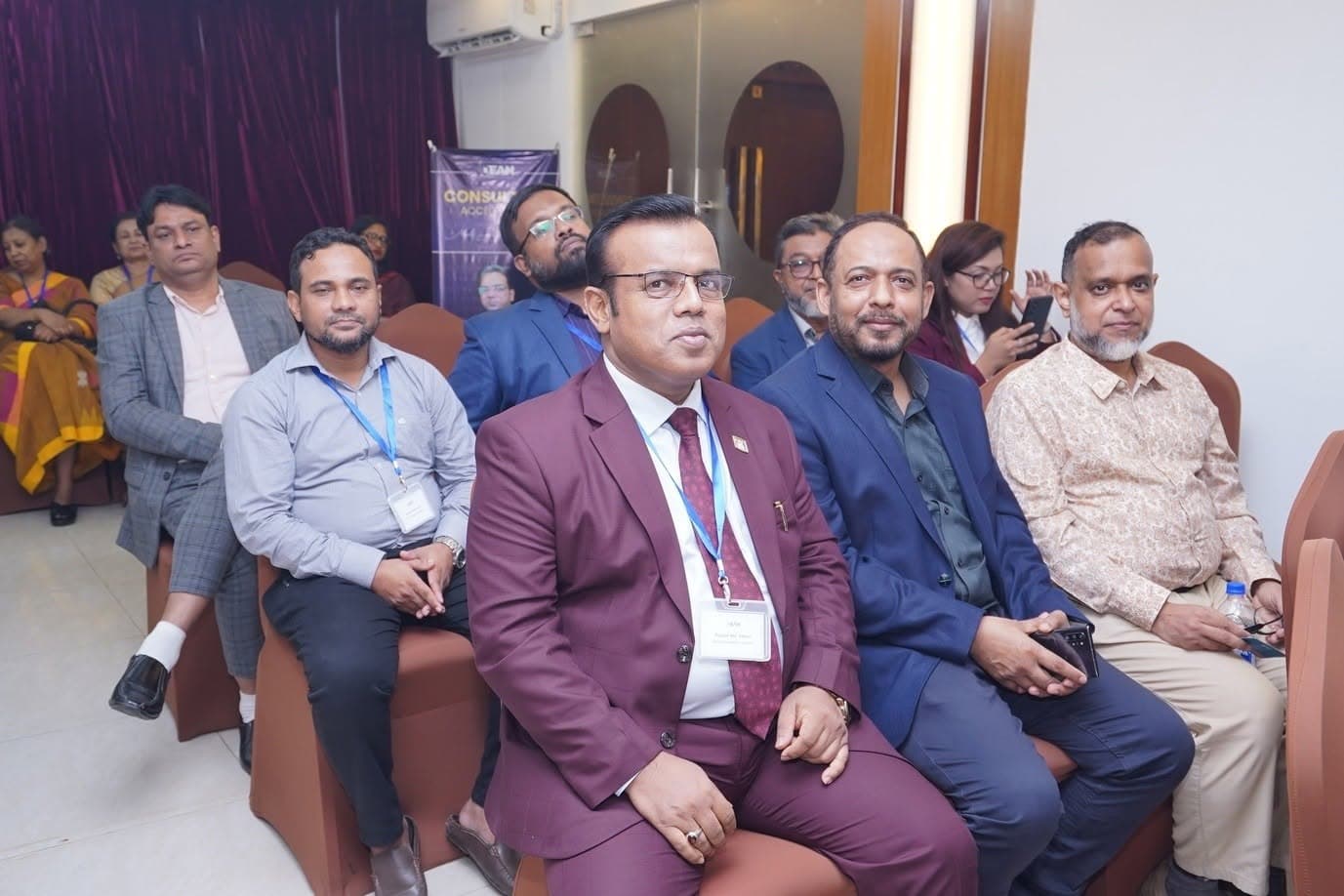
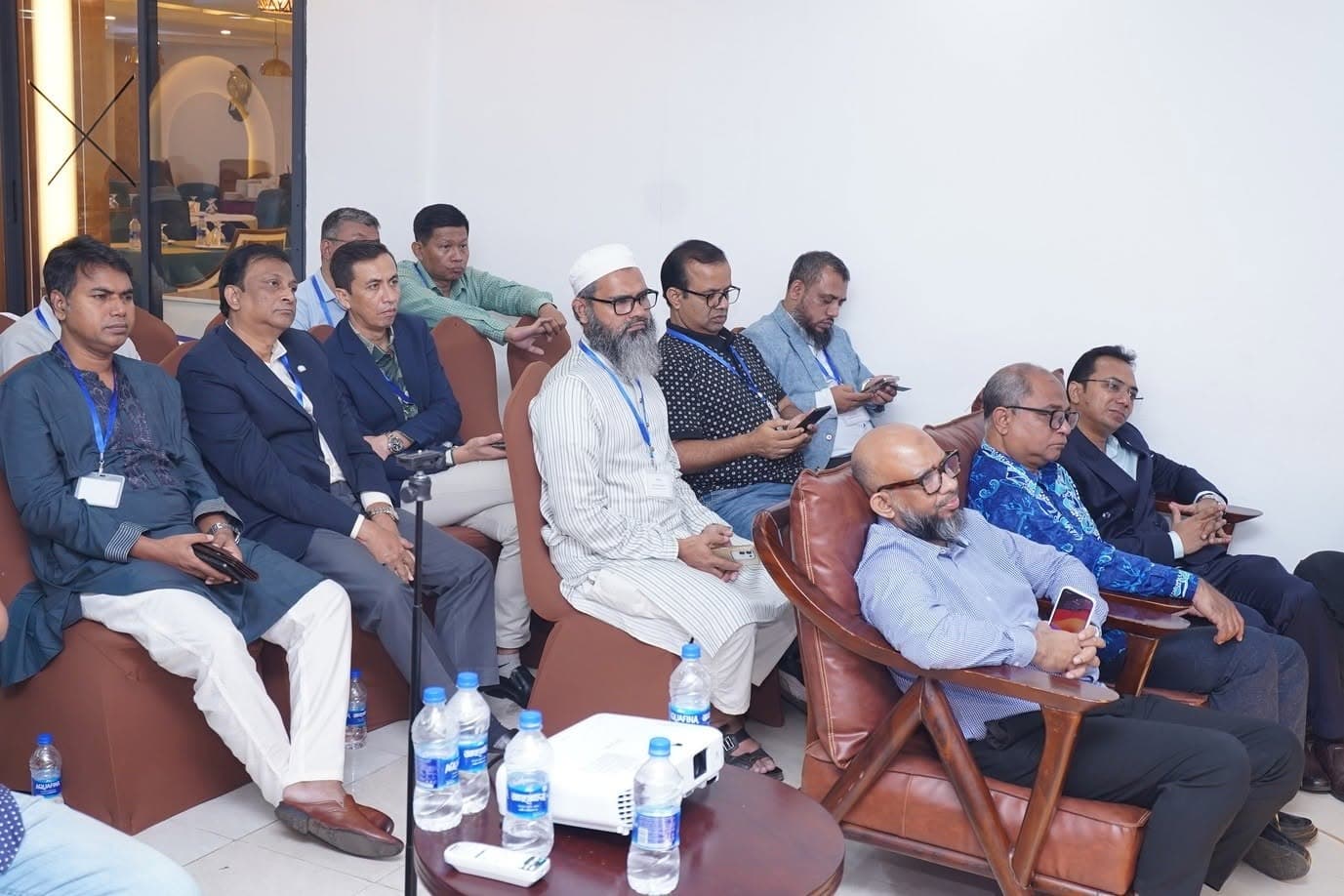
For the first time in Bangladesh, the Solo Consultants Summit was organized by iDEAN Consulting. And I was there as a panelist. Experienced professionals from banking, the footwear industry, IT, hospitality, and human resources came together on one stage to speak about the future of their careers. The hall was full of people, each having built or in the process of building their own firm. That day, everyone was faced with one question—will the experience gathered over ten to fifteen years be limited to the responsibilities of a single job?
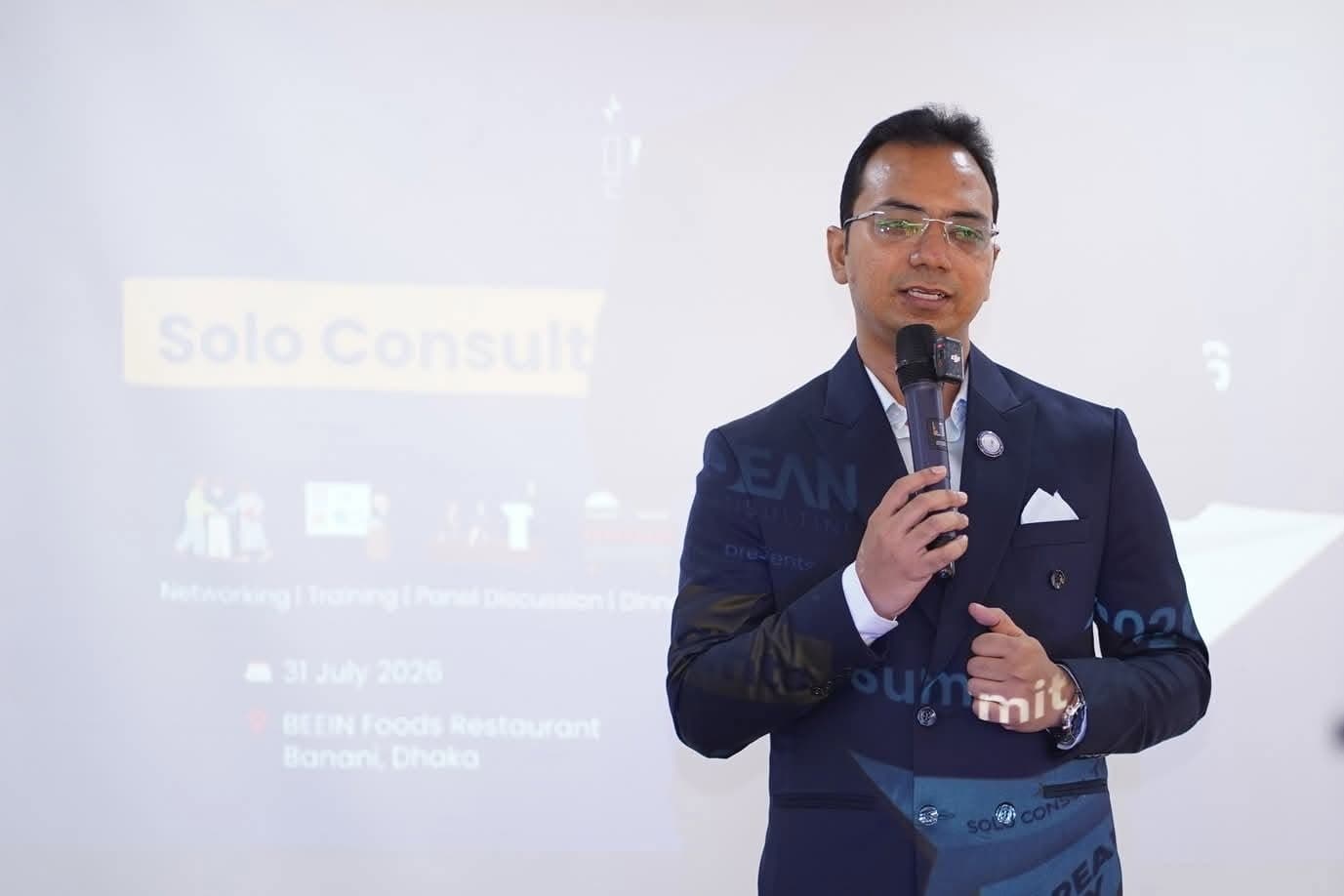
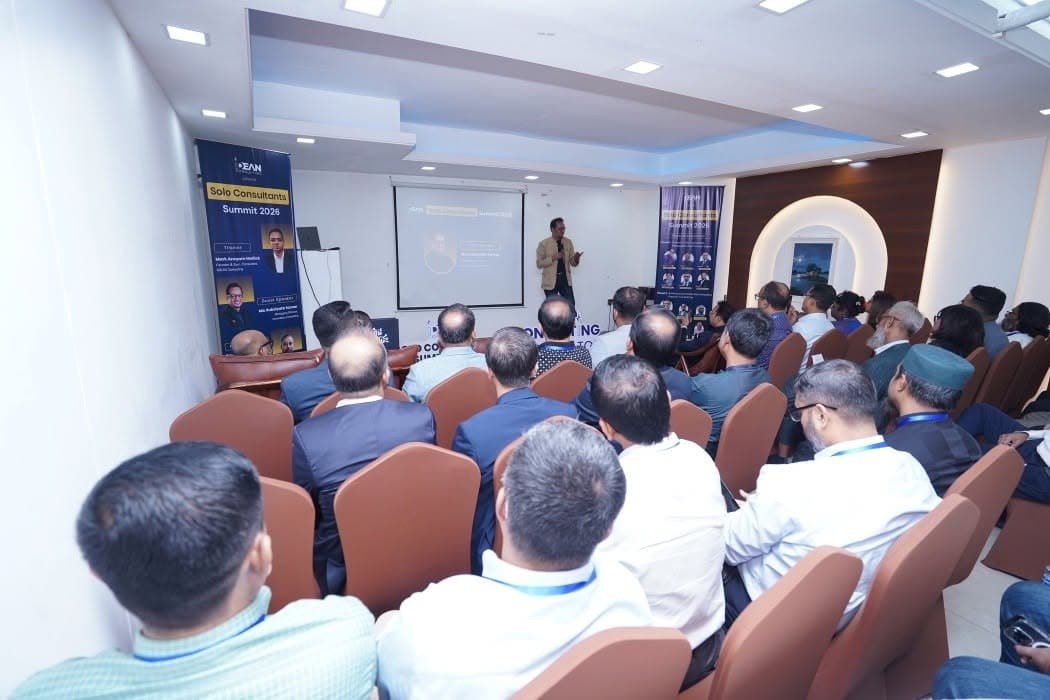
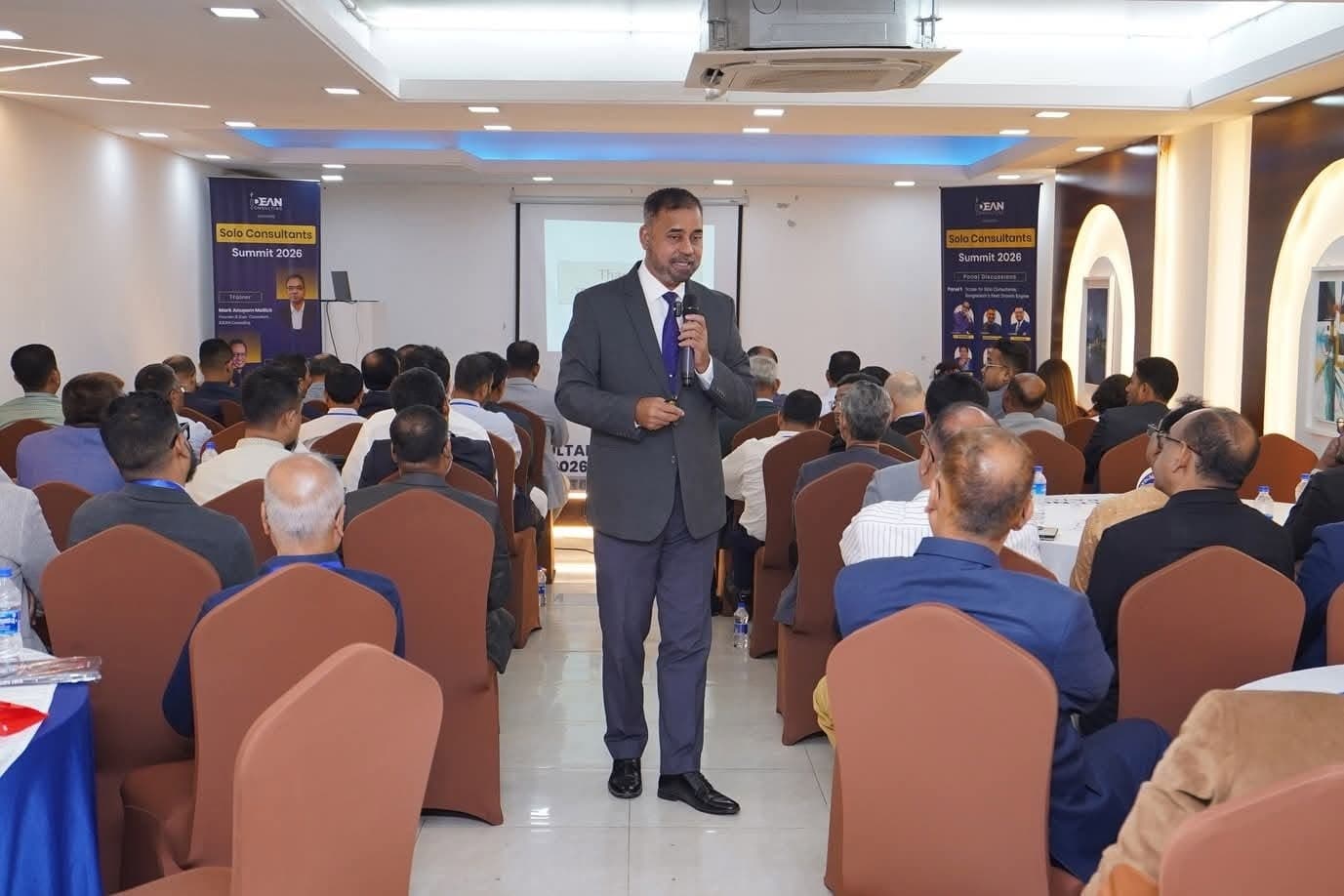
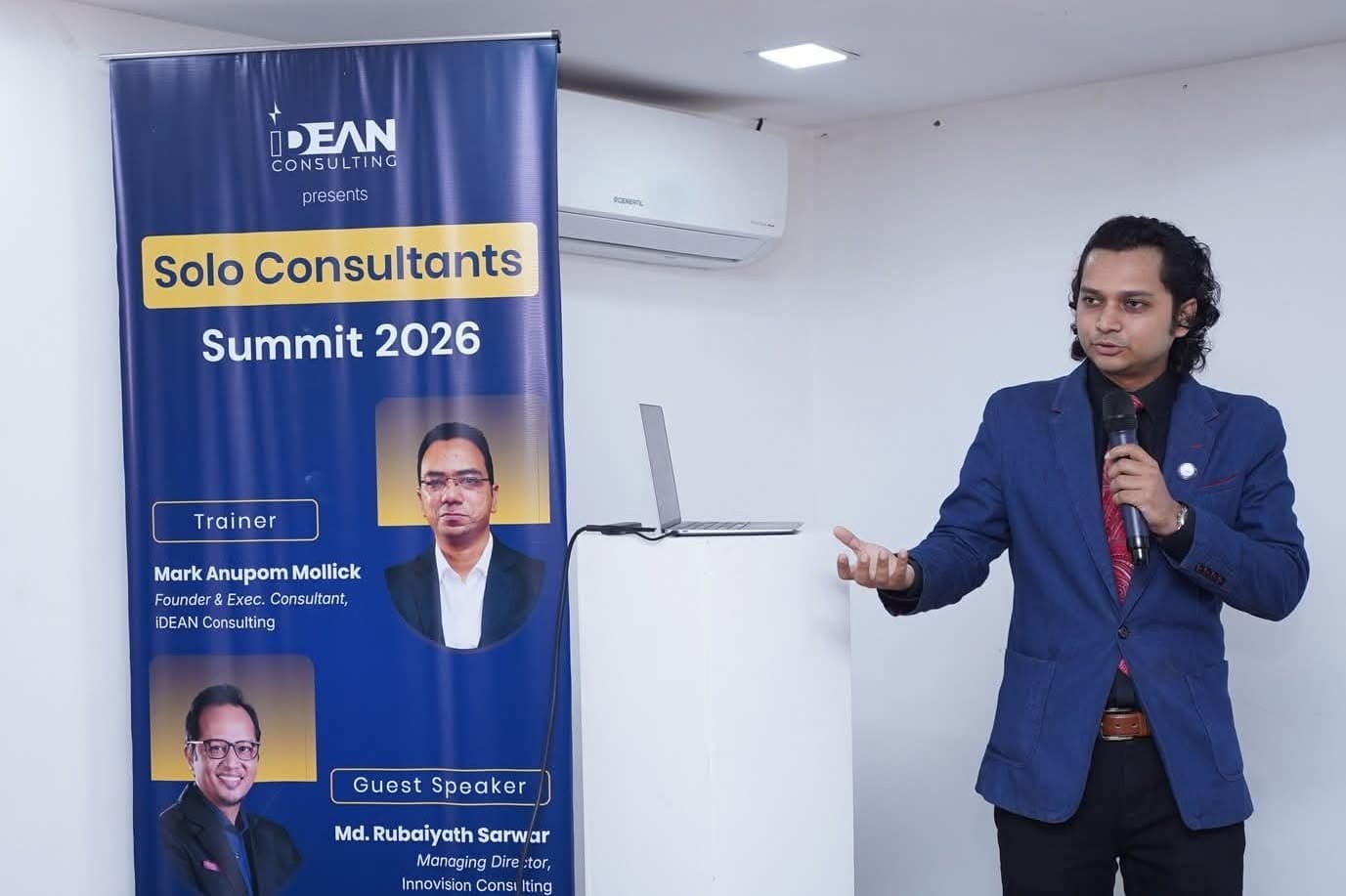
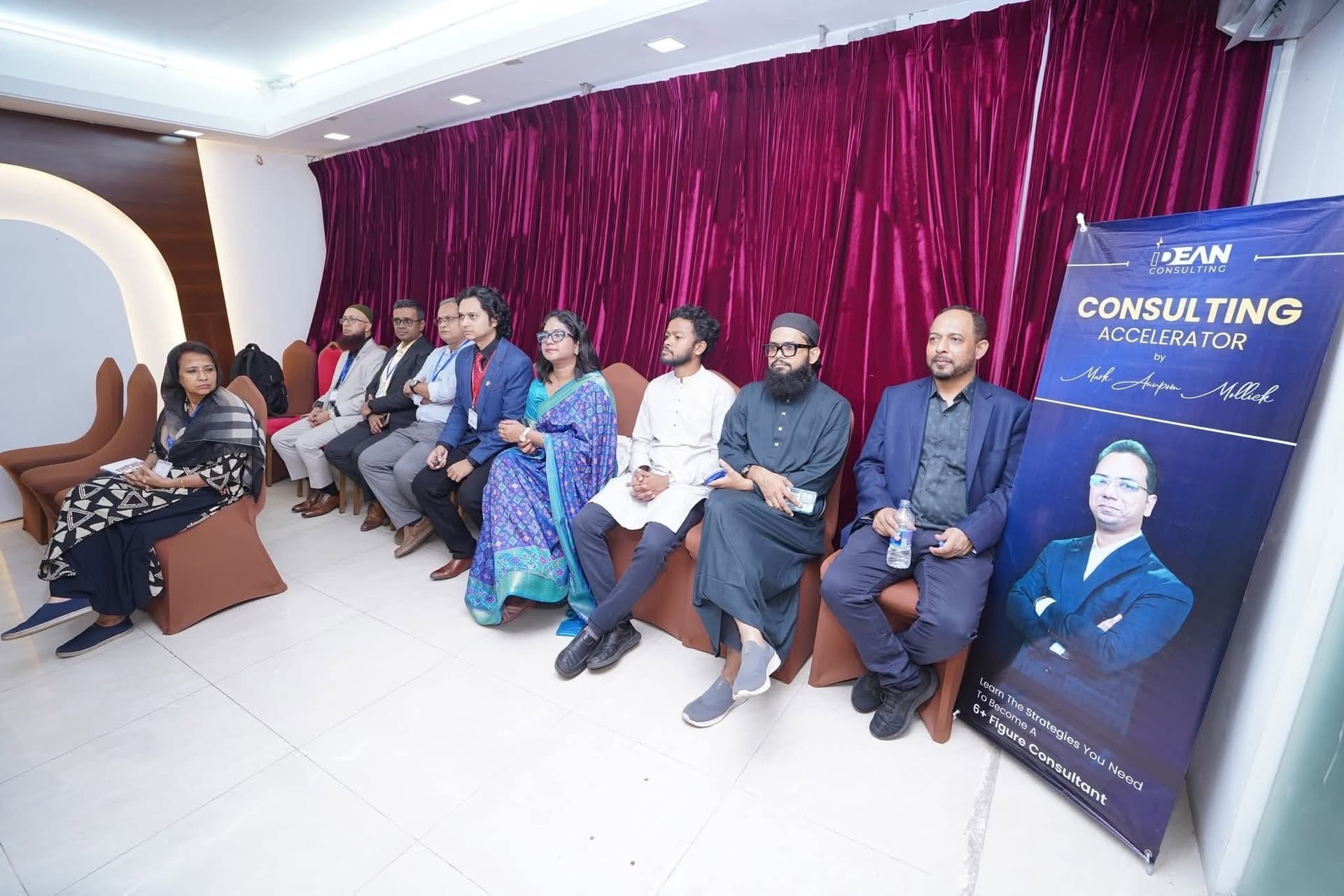
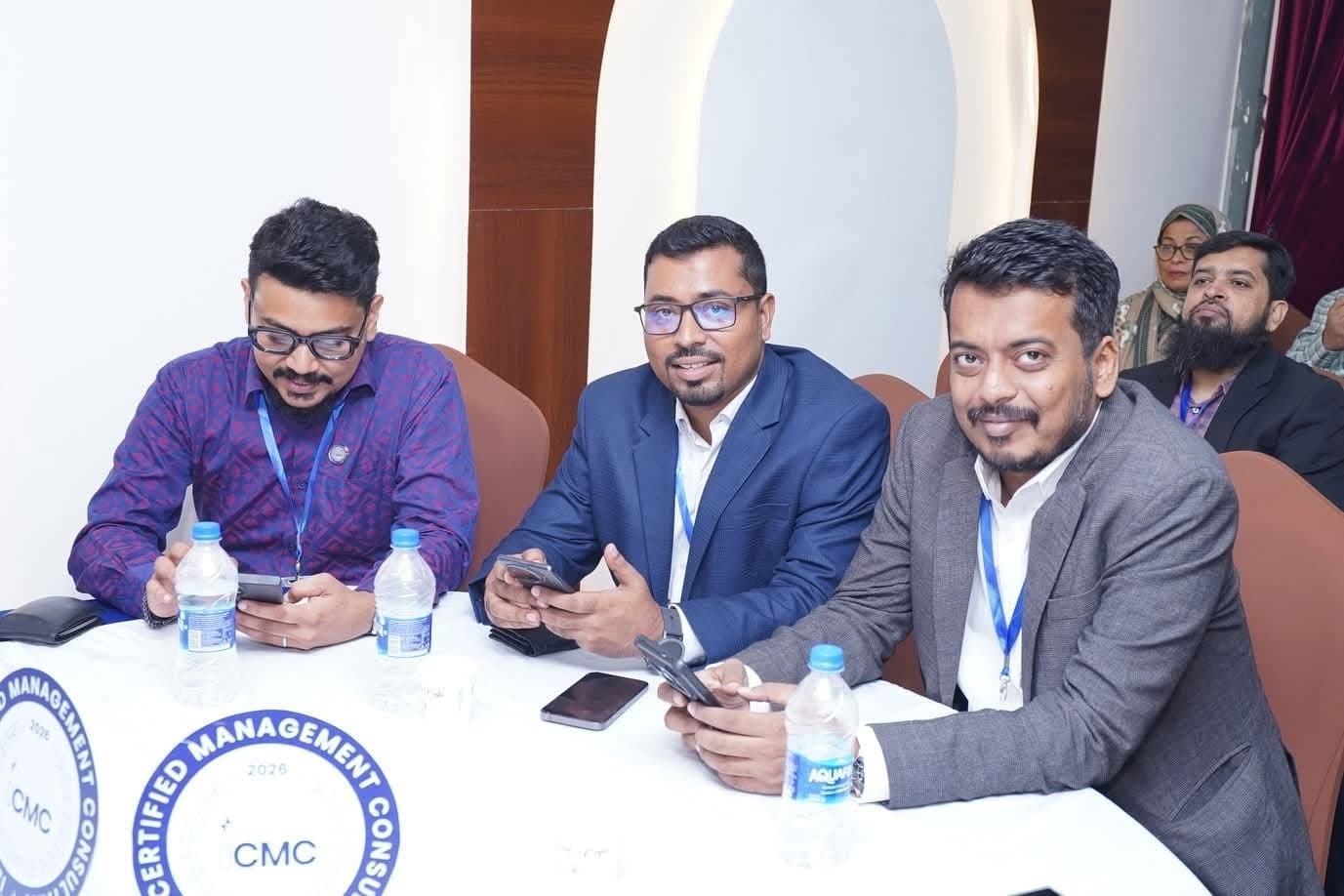
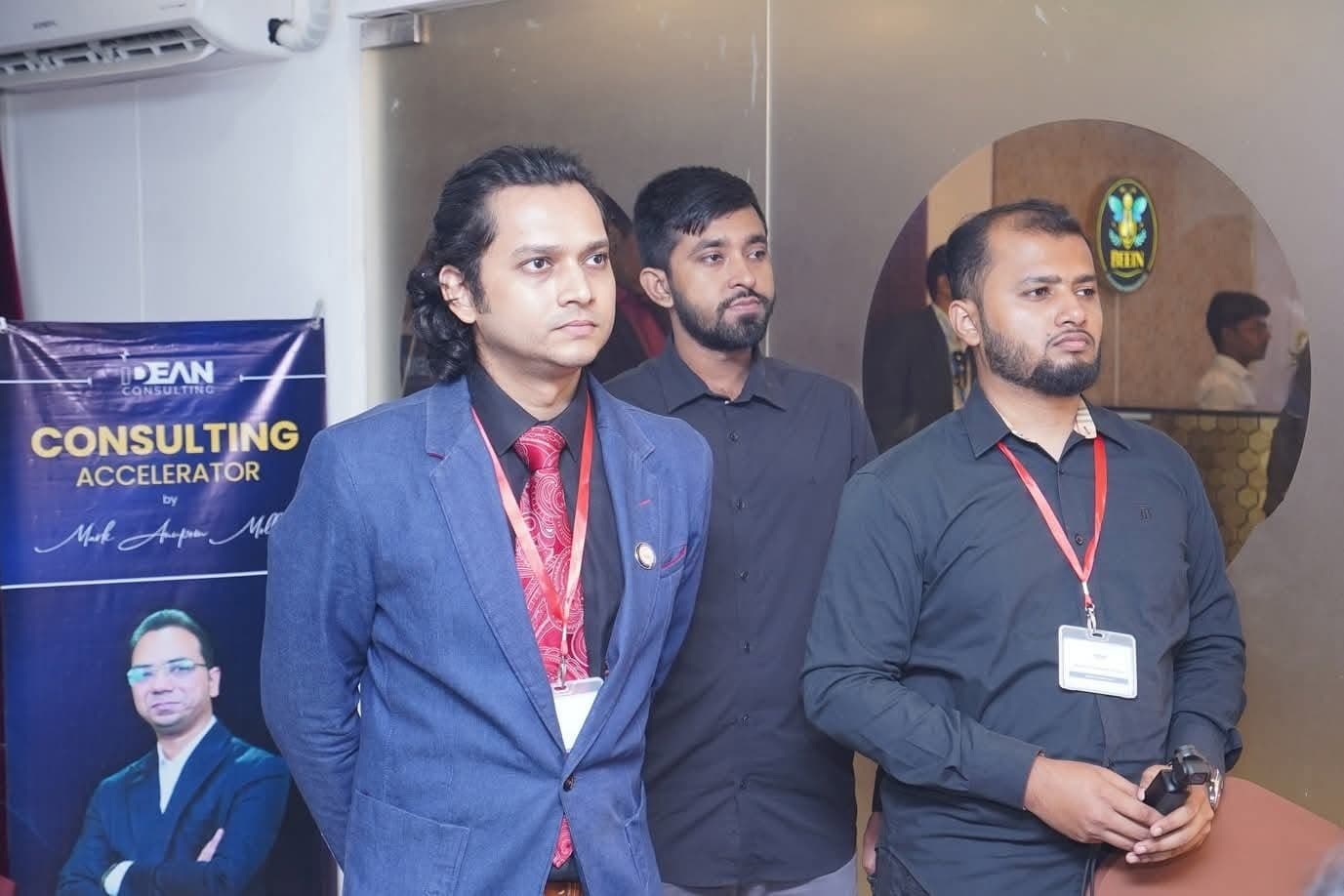
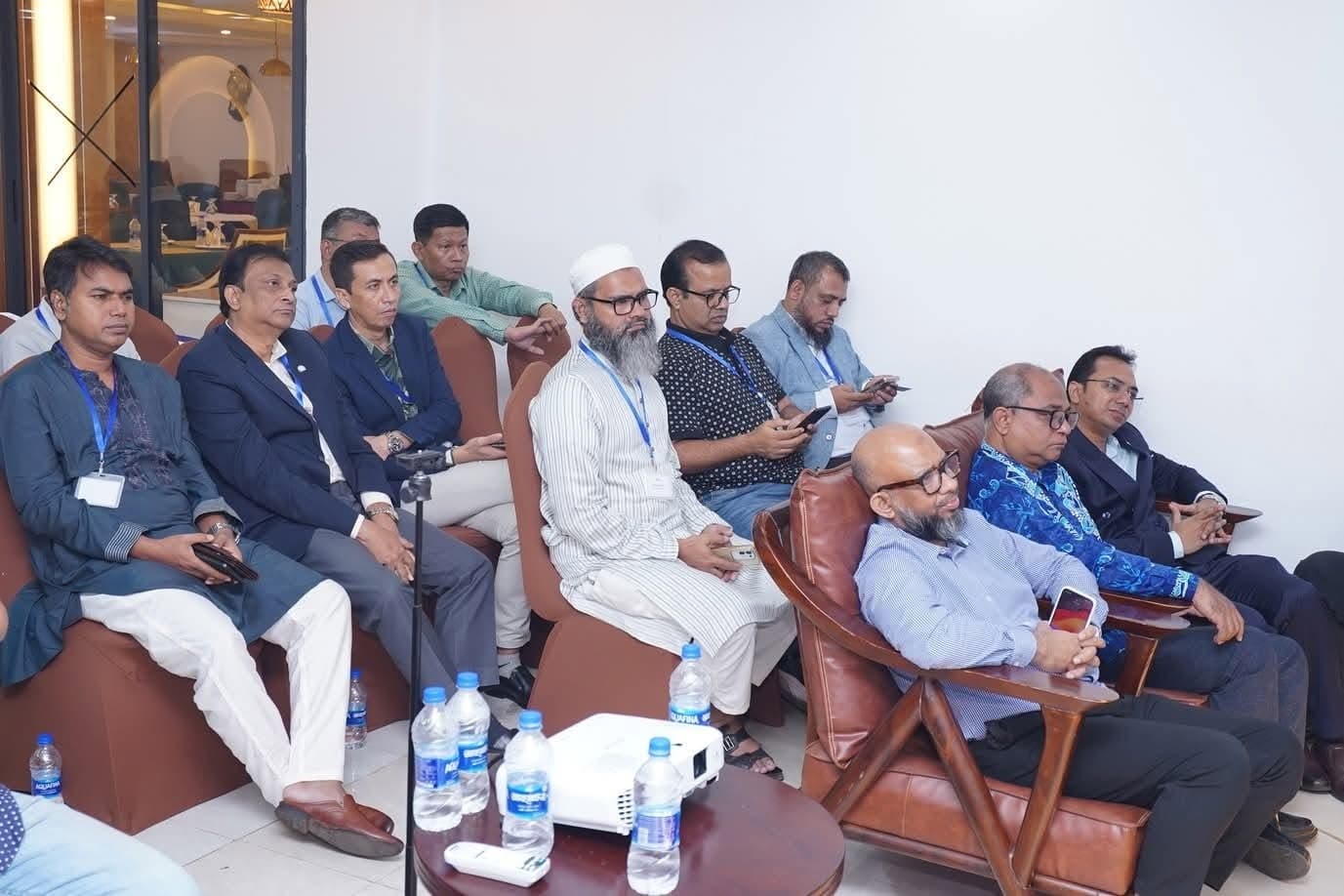
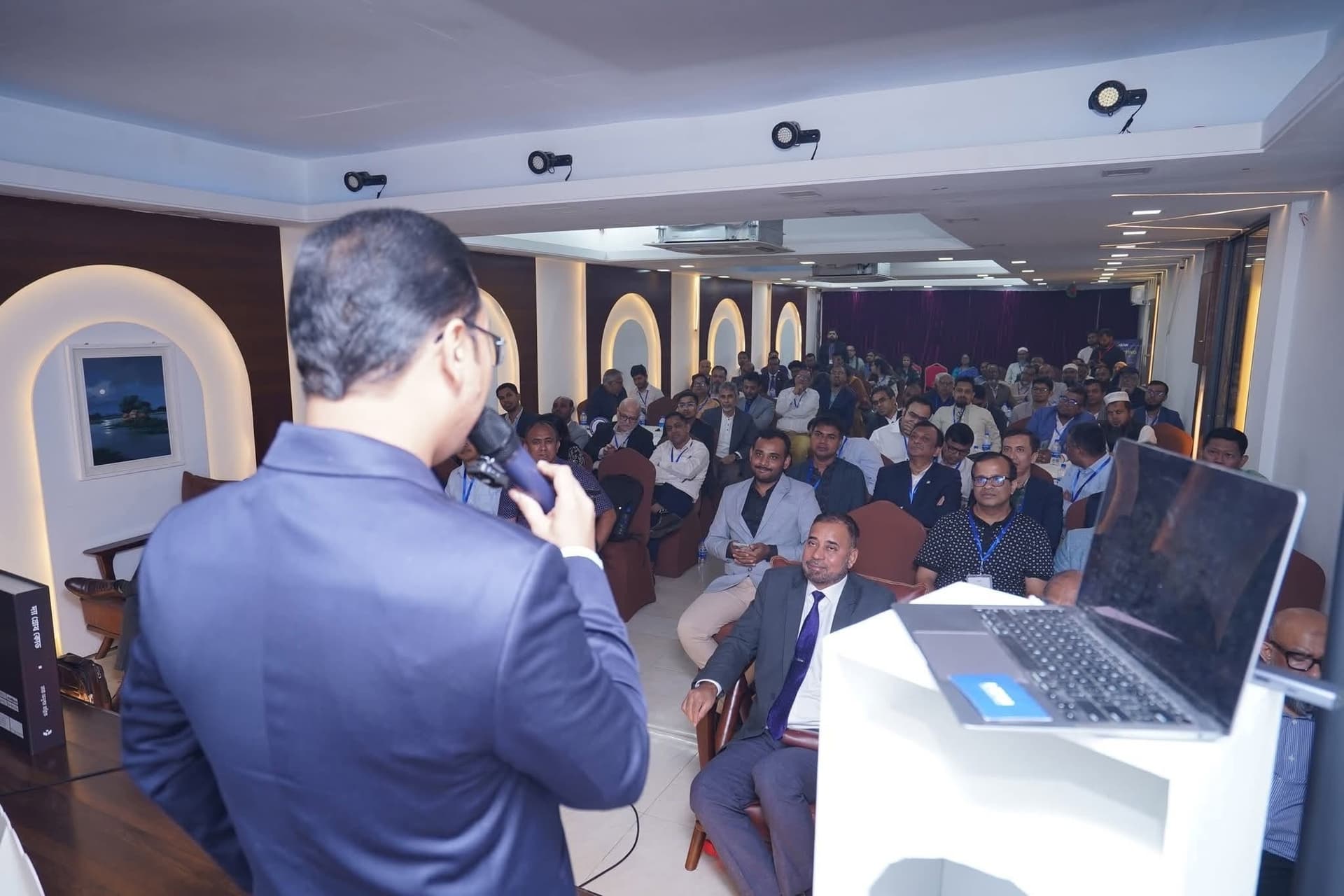
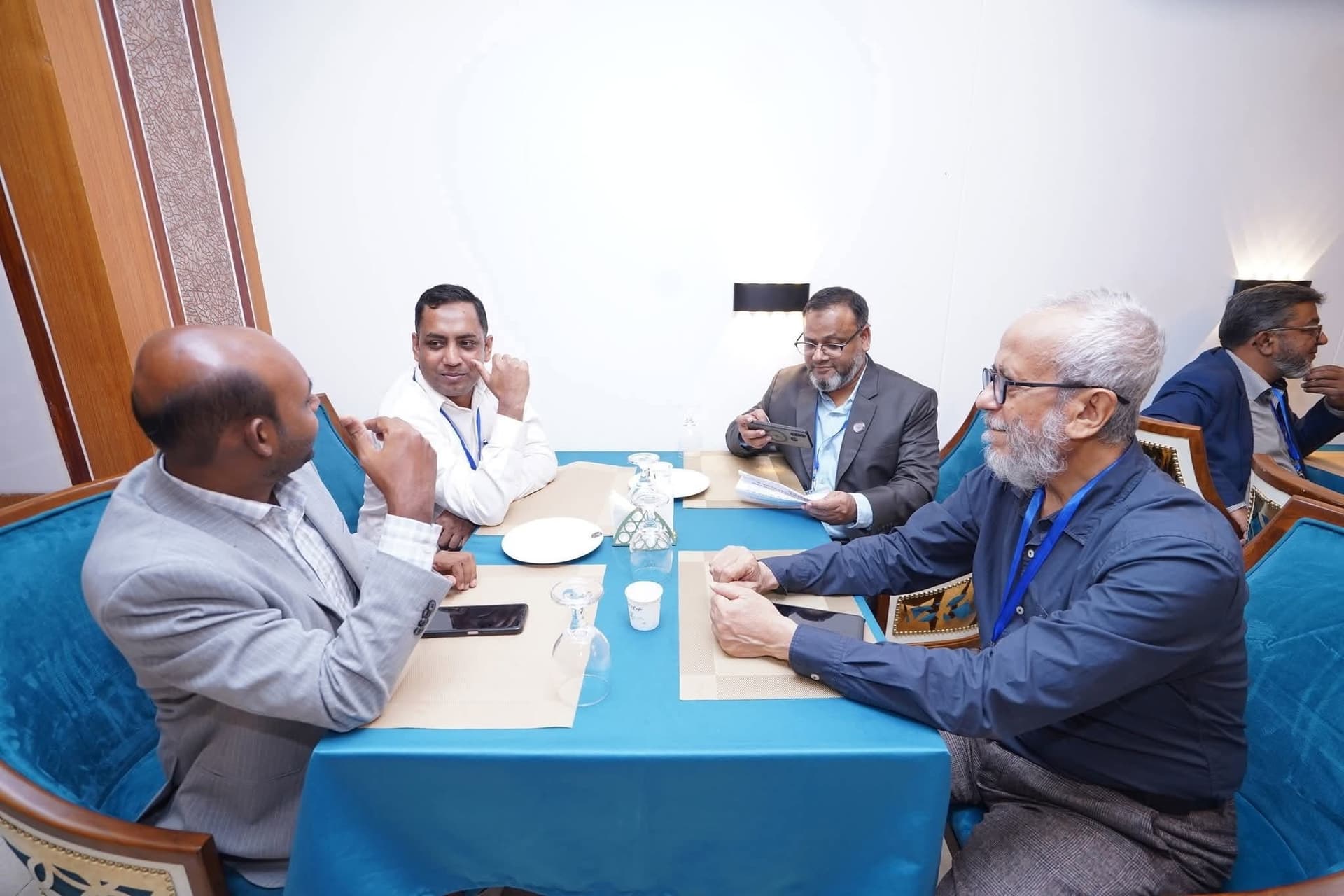
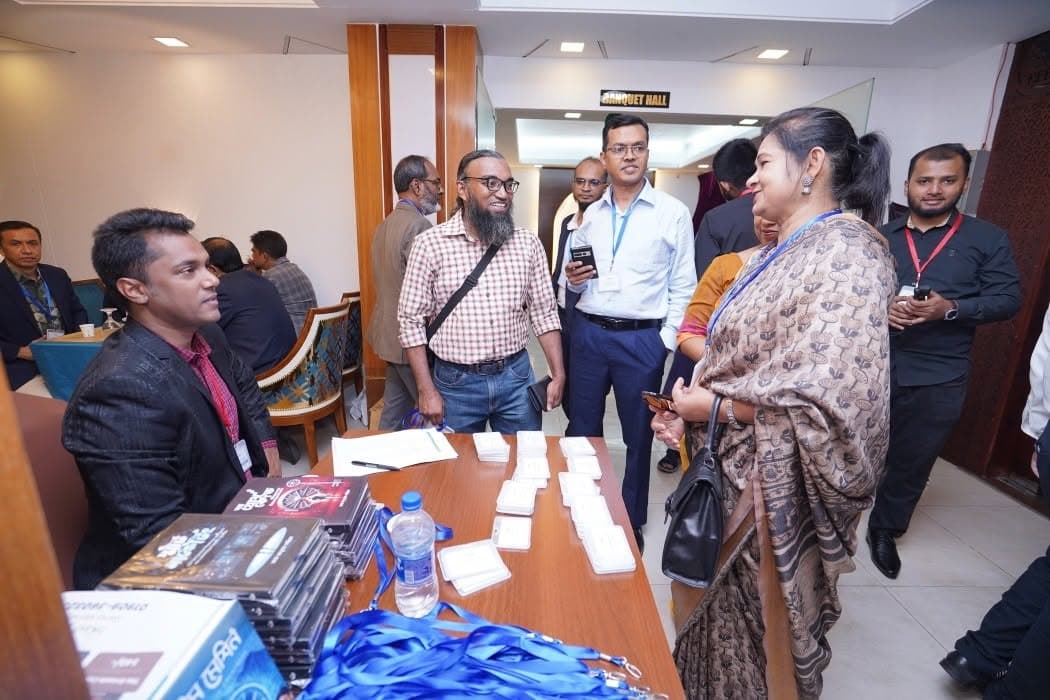
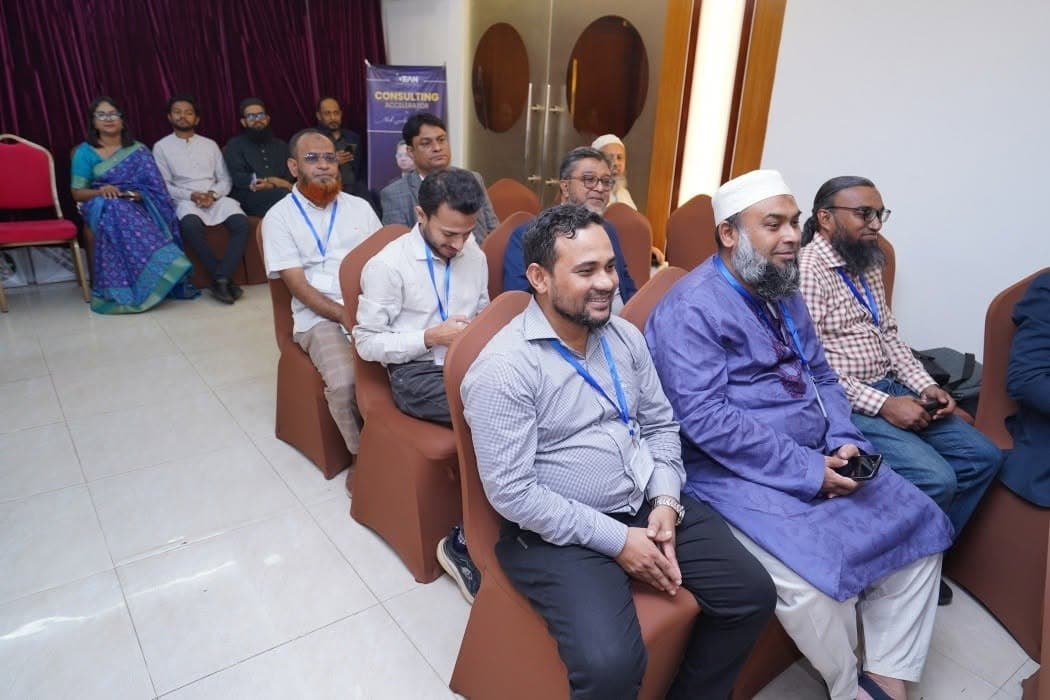
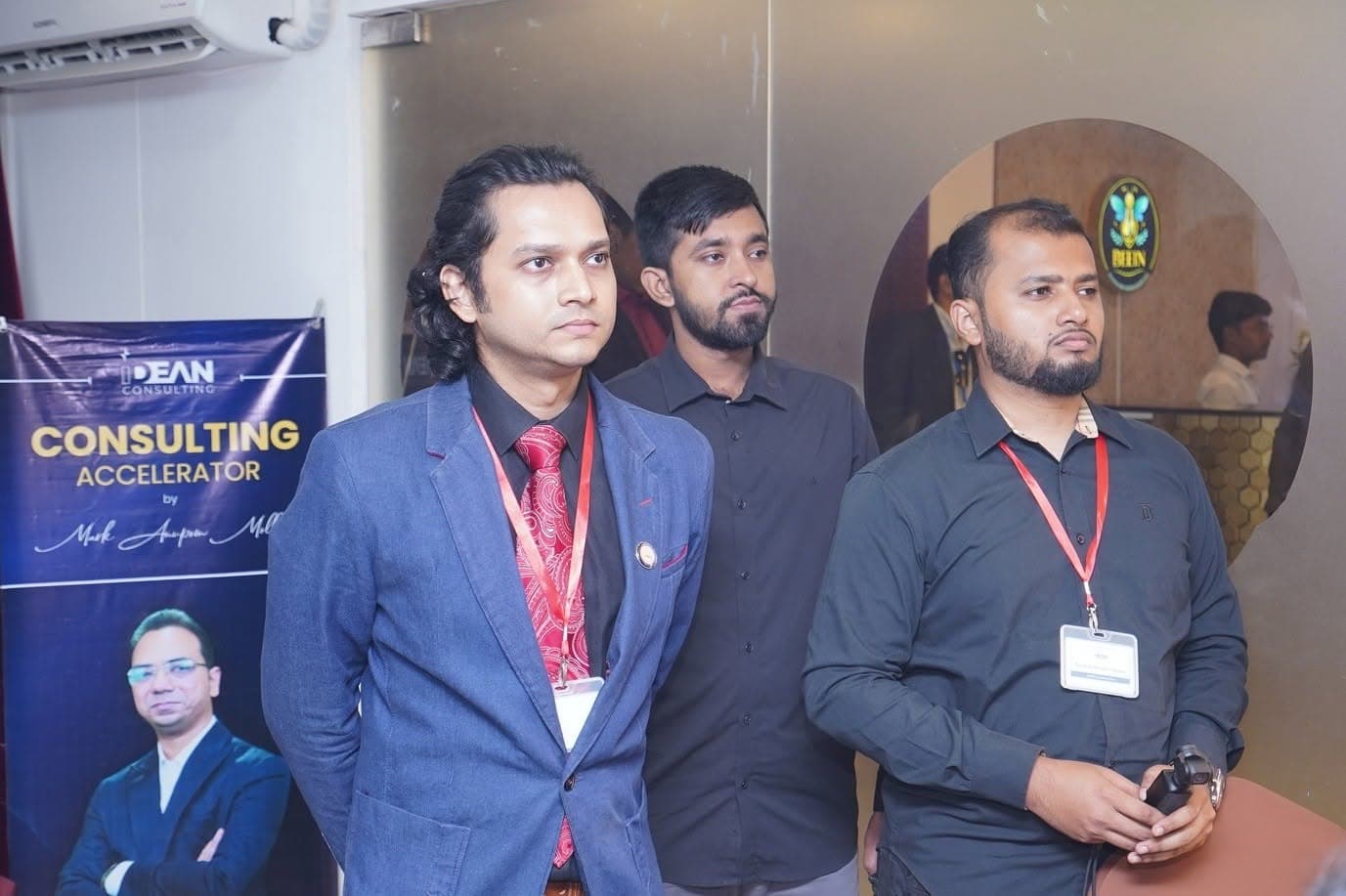
It was an event of almost five hours. Training, guest speeches, panel discussions, and networking—every session was filled with questions, debates, and the exchange of experiences. The training session by Mark Anupom Mollick, founder and executive consultant of iDEAN Consulting, marked the beginning of the day. The strategies of solo consulting practice, the prospects of Bangladesh, and the practical experiences of those who have walked this path before—these were the topics of the most lively discussion around the training tables. On one side of the table, someone was taking notes, while on another side, someone was asking questions with examples from their own field. For those who still think of solo consulting as a risky leap, this was the first step.
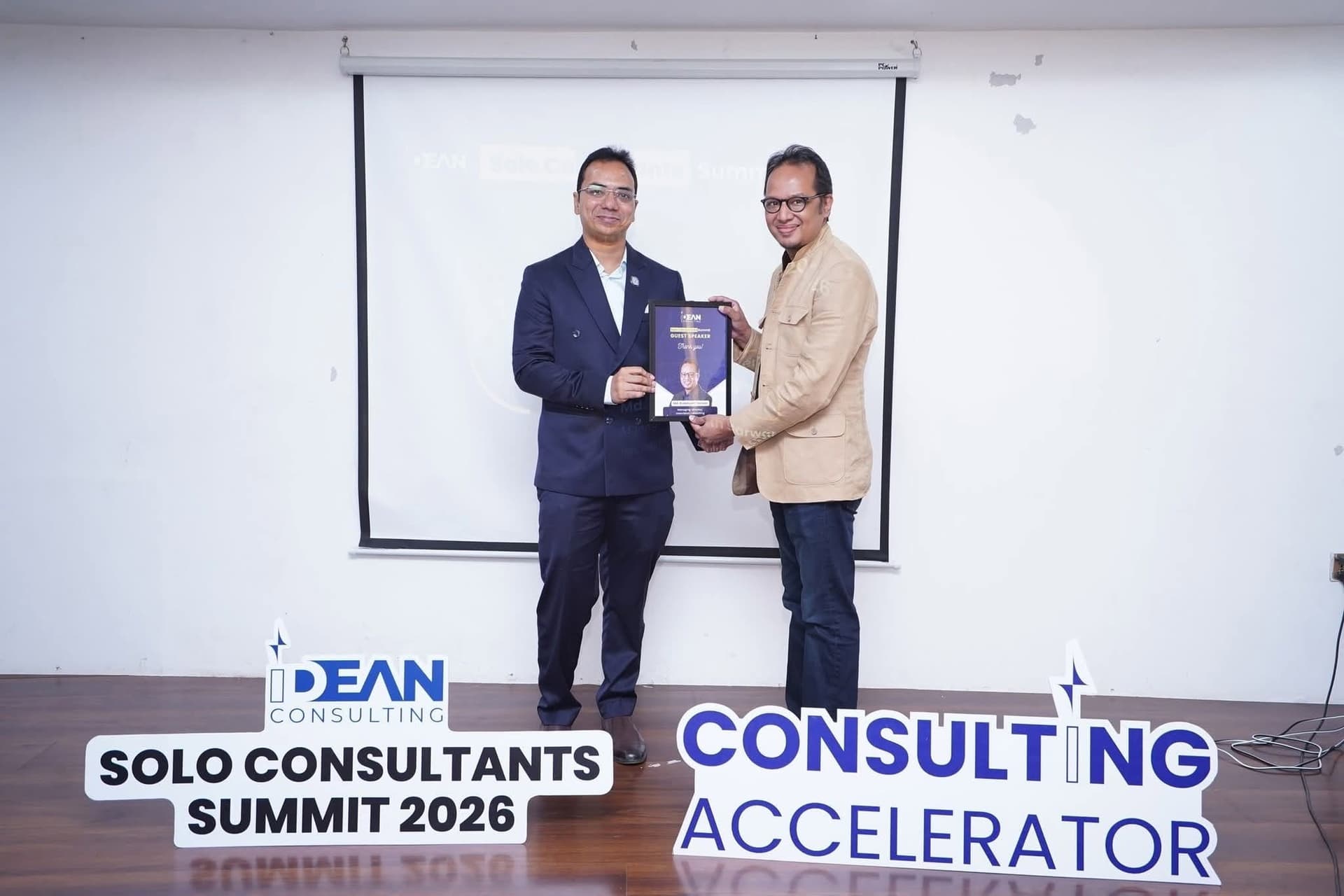
Guest speakers included Md. Rubaiyat Sarwar, Managing Director of Innovision Consulting, and Brig. Gen. Md Khalil Ur Rahman (NDC, PSC, TE (LPR)) of the Bangladesh Army. One spoke from the path of building a corporate organization, while the other spoke from the experience of a long career. Both spoke about the prospects and challenges of solo consulting in the light of their practical experiences. When people from such different worlds as corporate and public service agree on the same issue, it is clear that this is not a temporary trend. Both speeches reminded us that consulting is not just about giving advice; it is a business of trust. Whether in the public sector or the corporate sector—there is now a demand everywhere for professionals who can turn their experience into consulting. The guest speakers represented that demand.
Summit Video Highlights
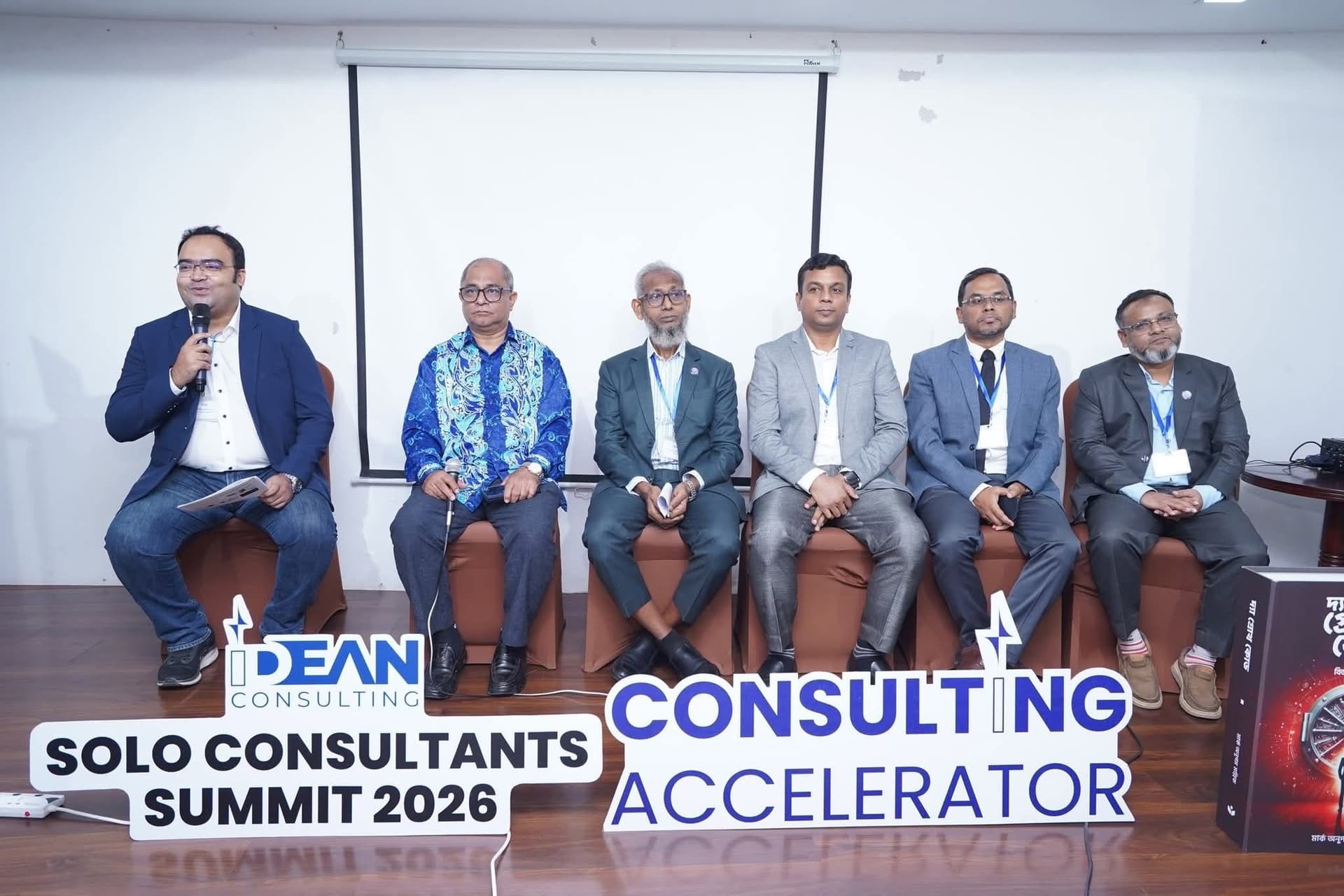
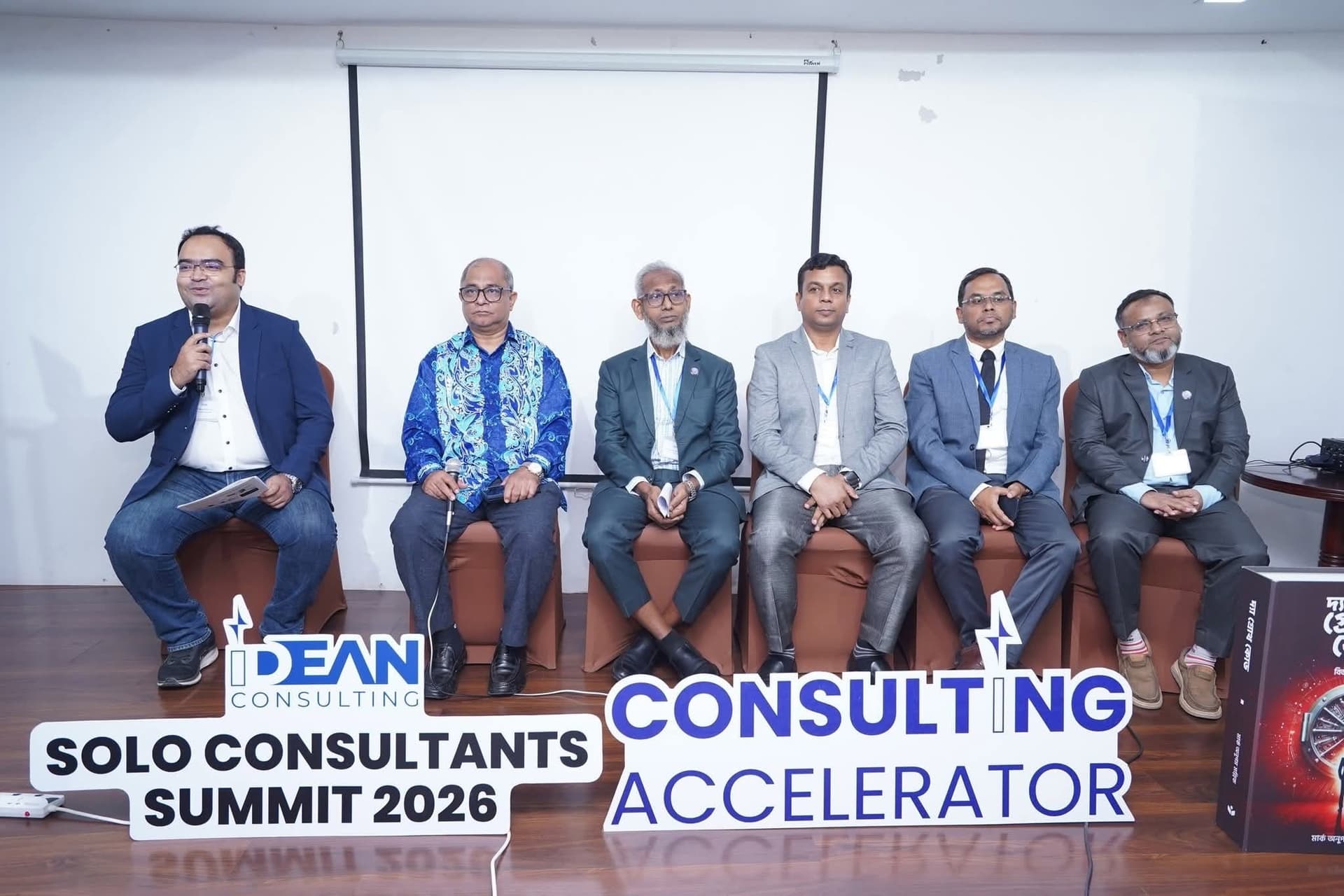
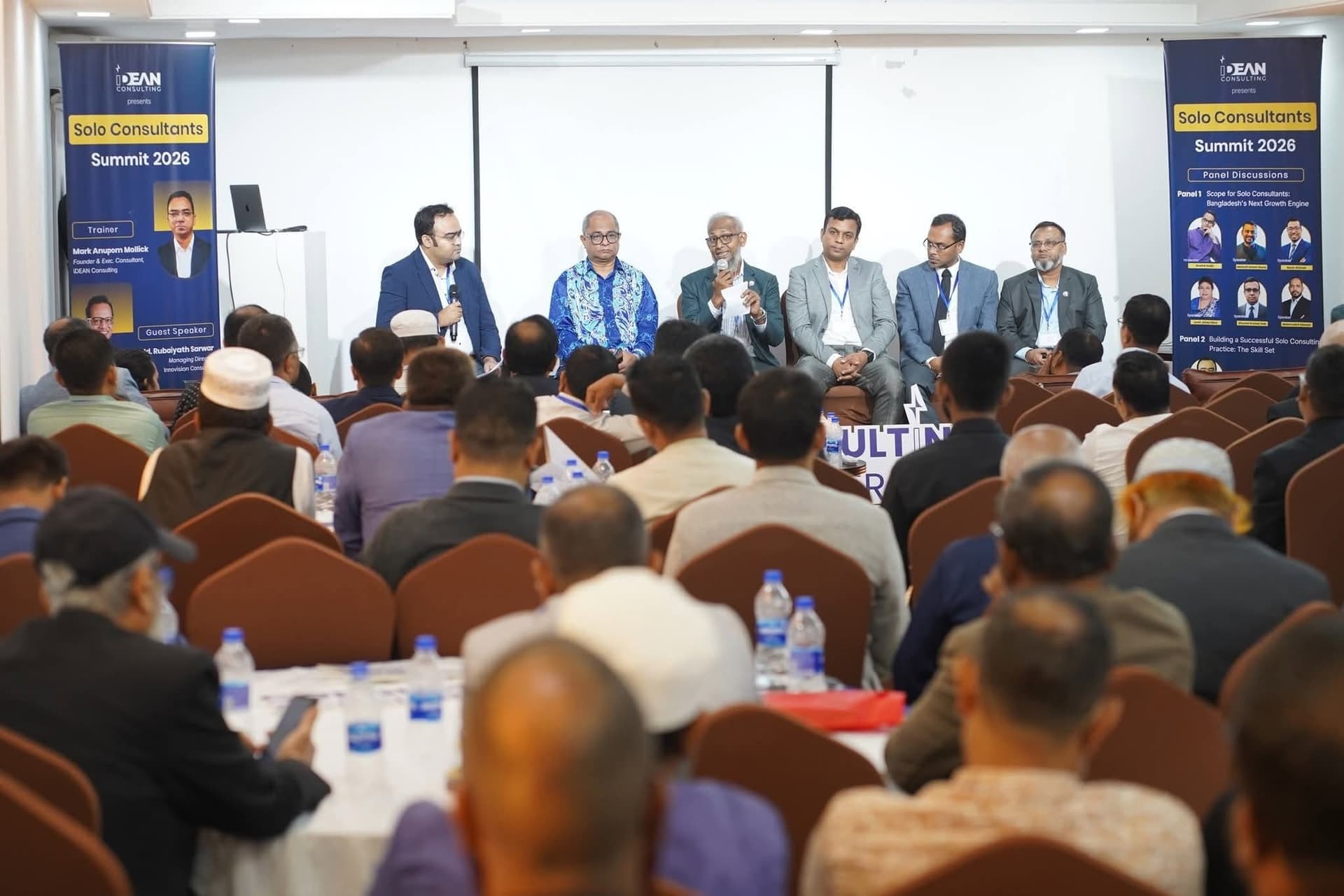
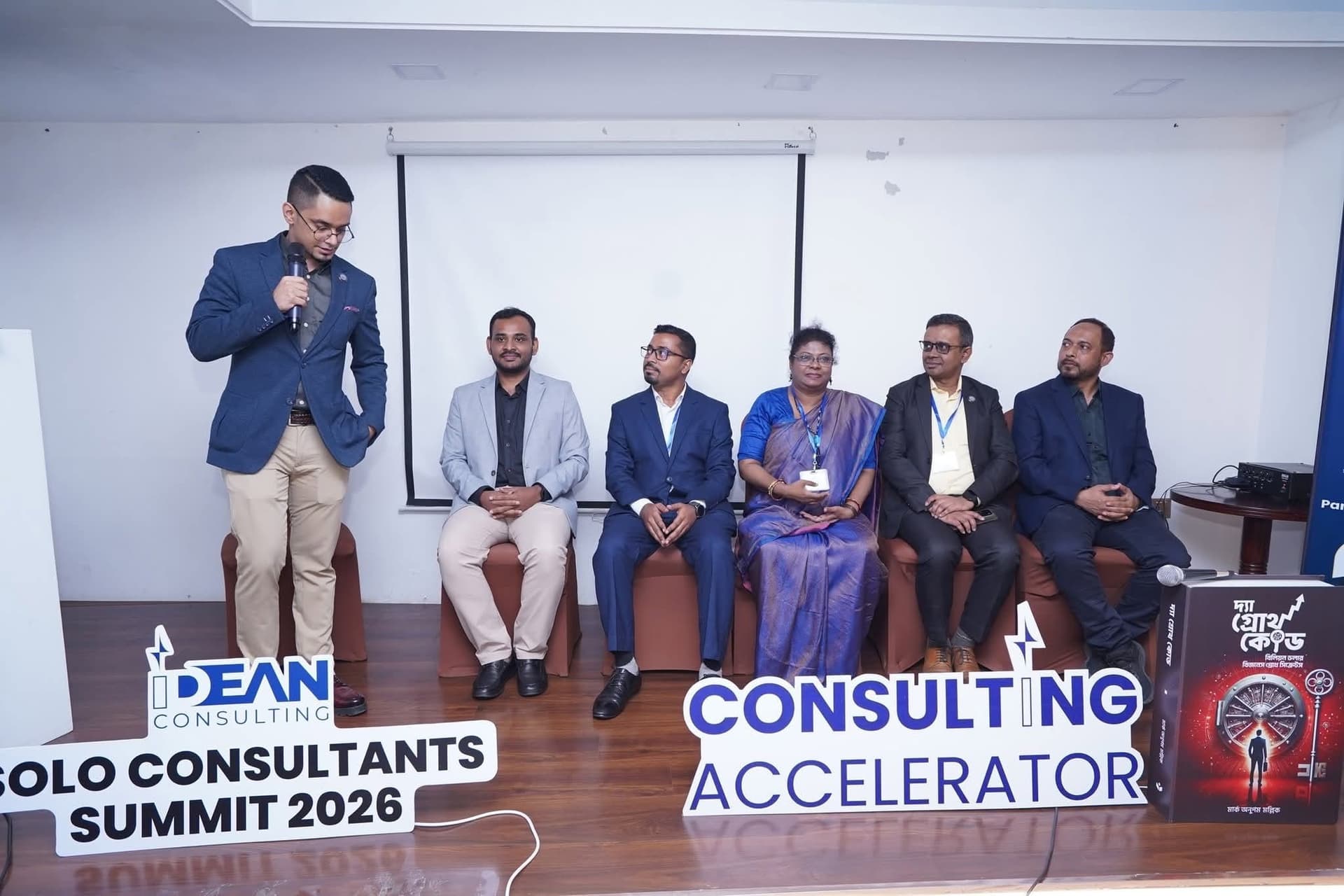
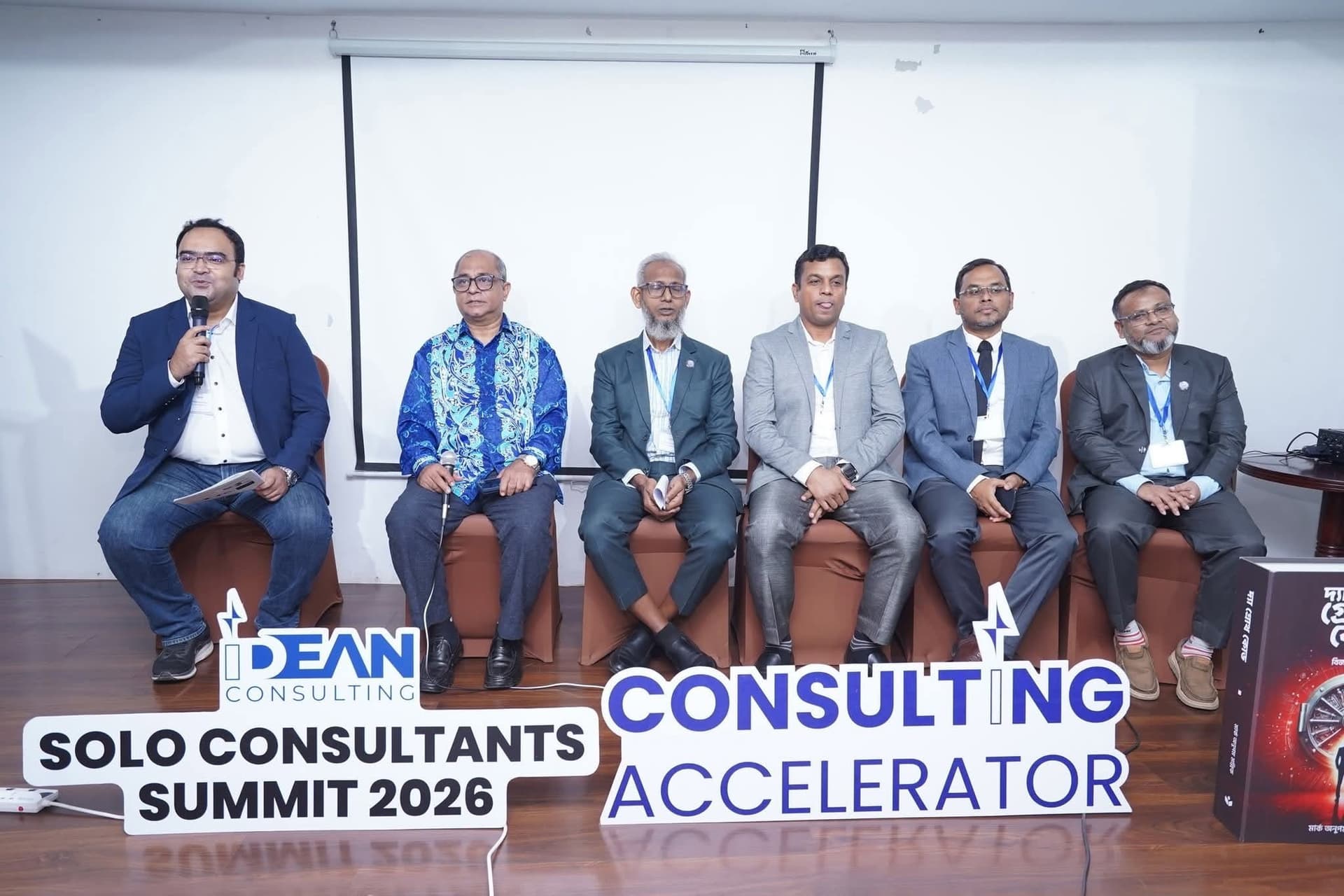
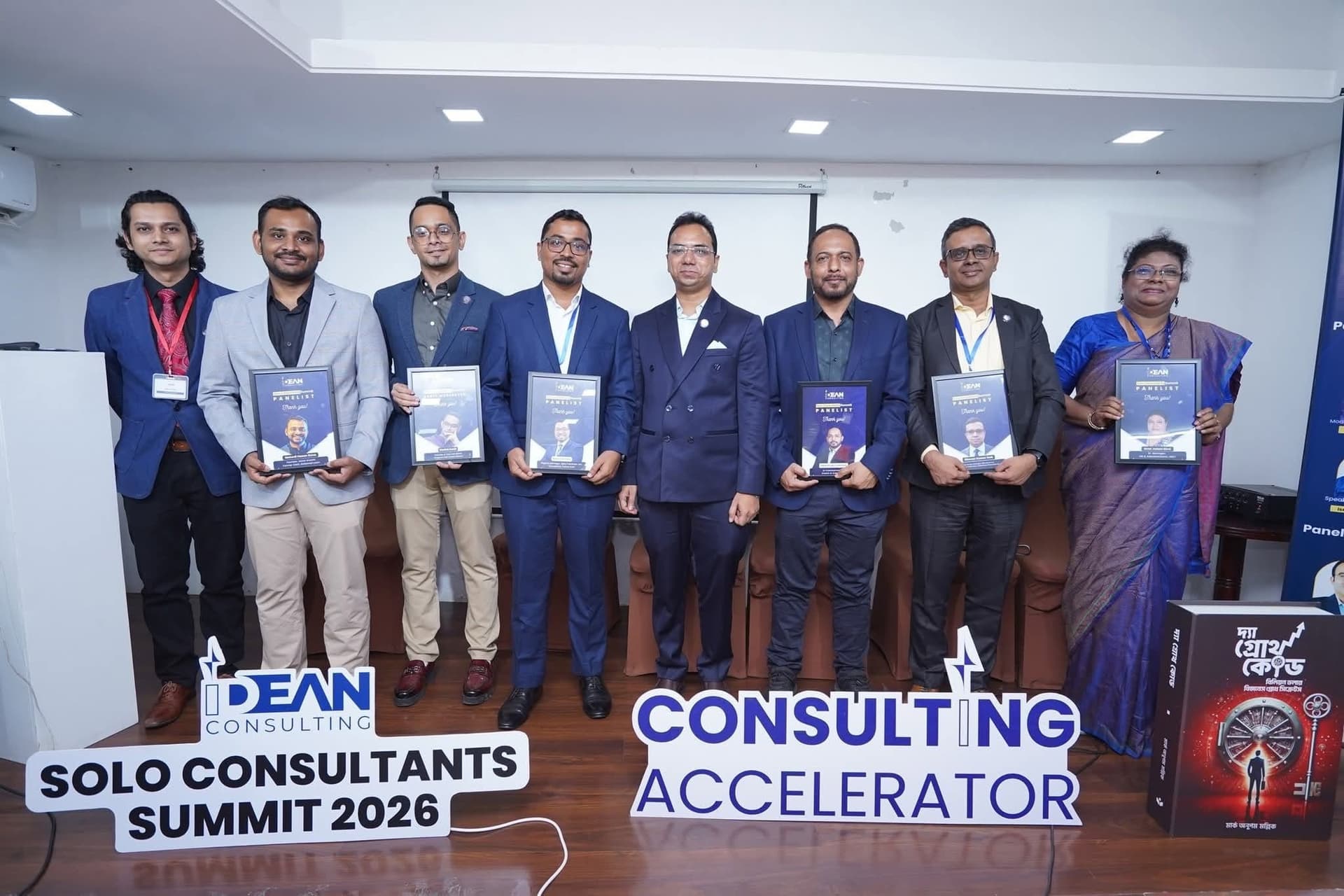
For me, the most important moment of the day was the second panel—"Building a Successful Solo Consulting Practice: The Skill Set." The moderator was A B M Mizanur Rahman, Senior Sales Consultant (South Asia) at Clustag. Standing beside me on the panel were DIG Md Mahbubur Rahman Bhuiyan BPM Bar, founder and CEO of Ai Cyber Security Team 360°, Mohammad Khan Monzur Wahid Uddin, Managing Director of Reverie Resort and Tourism Company Ltd, Md Mesbaul Hussain, CEO and lead consultant of PROFIRM, and Md. Tarek Hussain Prodhan (PGDHRM, ICMC, CSAA, CFRM, AIBB), Shariah Auditor of Mercantile Bank PLC.
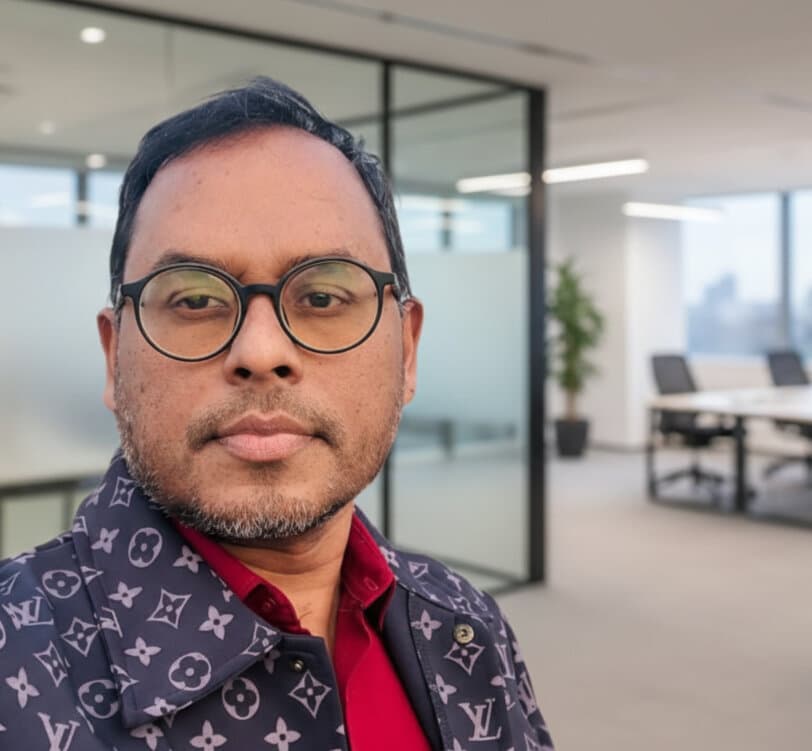
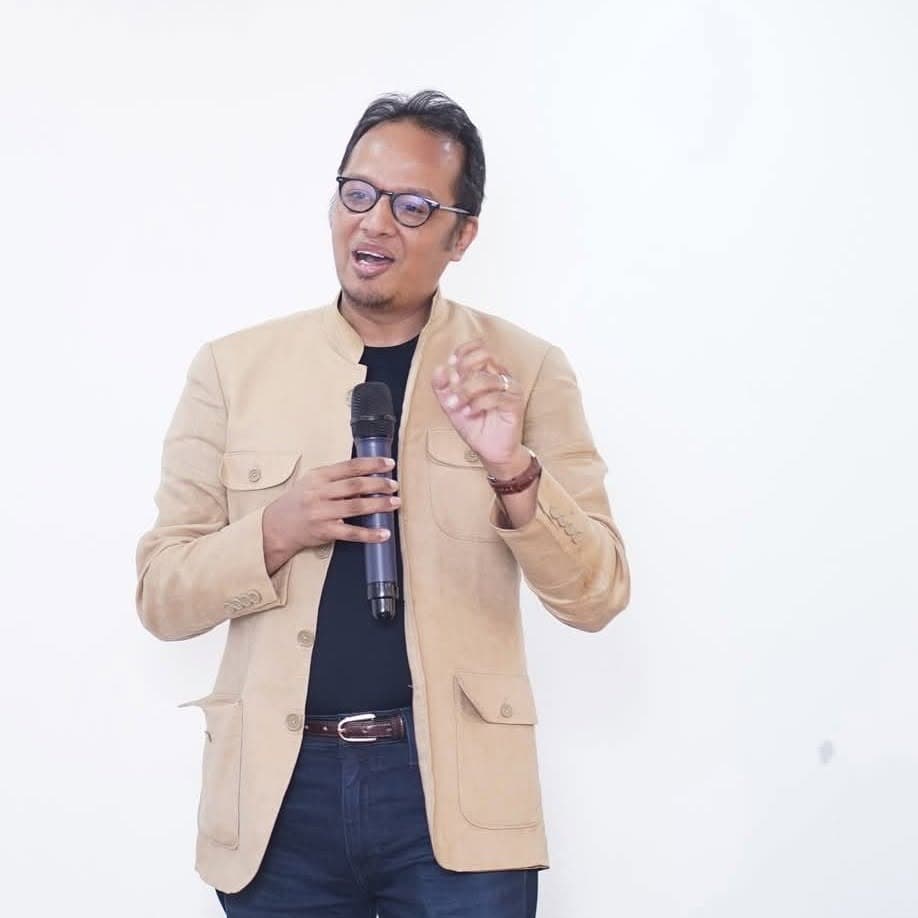
I am the co-founder and Managing Director of Metamorphosis Ltd. Having run a business, I have seen up close the difference between consulting within an organization and the life of a solo consultant—these two worlds. My main point on the panel was that being a solo consultant does not mean working alone; it means organizing yourself like a whole organization, but with the responsibility resting on one person's shoulders instead of a team.
To survive on this path, the first thing you need is true expertise and credibility in your own domain. The client will ask, why should I listen to your advice? To a client who does not have proof of your years of work in front of them, you will just be another advisor. Secondly, the ability to find clients and maintain relationships. From what I have seen, most solo consultants fail in this field not due to a lack of skills, but due to a lack of clients. There are many skilled people, but the real question is who knows about your work. The connection built today at the networking table is what gives birth to the first project tomorrow. Thirdly, the discipline to run oneself—accounting, time management, and continuous learning. In an organization, back-office tasks are done by many; a solo consultant has to be their own back-office. And now, a fourth layer has been added: digital and AI skills. A solo consultant who can leverage AI tools can deliver work today that once required a whole team. AI is no longer a competitive advantage, but a condition for survival.
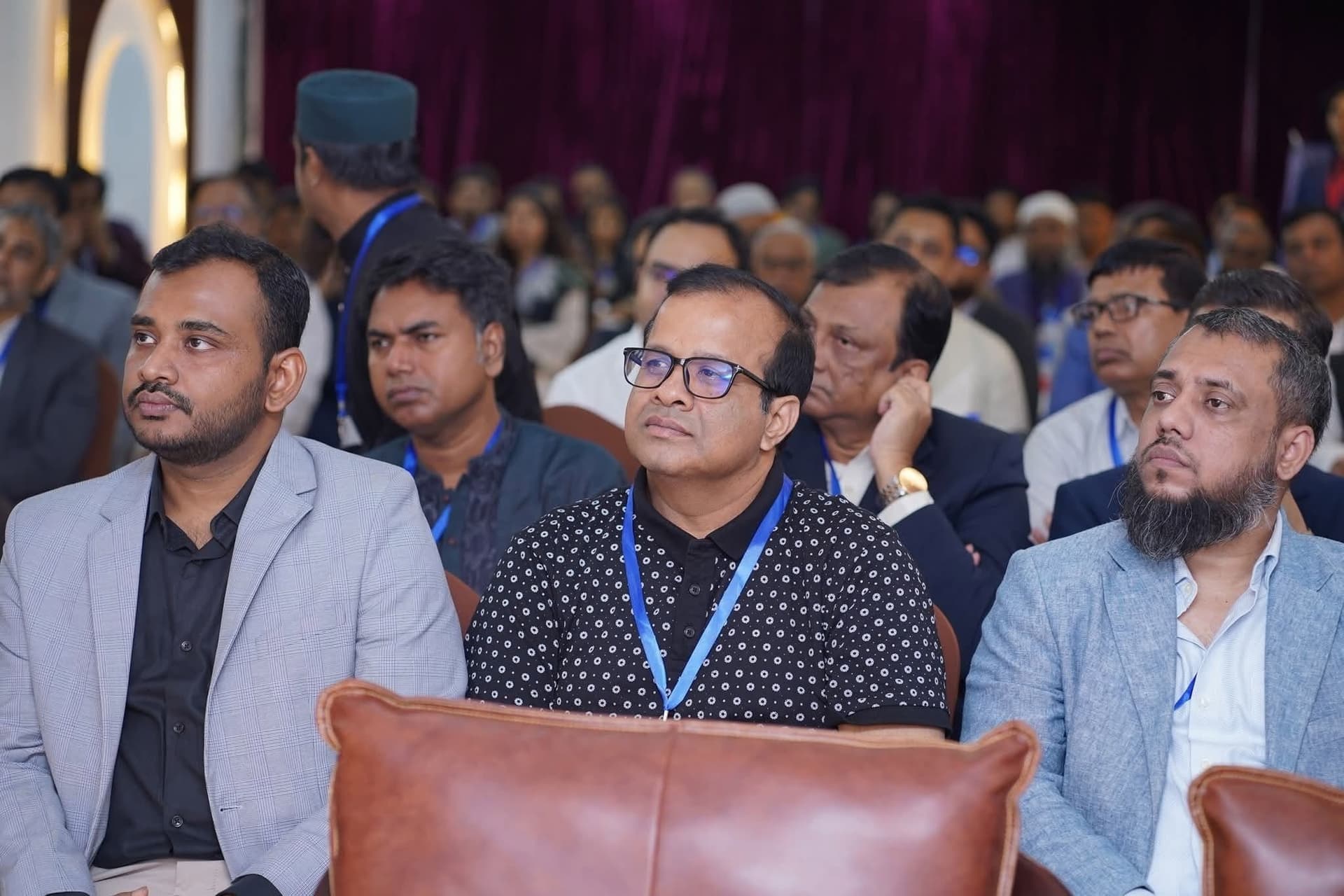
The questions that came from the audience at the end of the discussion were very down-to-earth. How do I get my first client? How do I set my rate? Is it safe to leave a job and come to this path? The questions themselves prove that there is no lack of interest; what is needed is a correct roadmap and courage. An audience member wanted to know, if I want to manage both an organizational job and solo practice, where do I start? The answer came in the same tone from everyone on the panel: the start should be small. A project on weekends, solving a problem for a client—this is how one's name is gradually built. Another asked, how do you handle the temptation of reducing rates in this market? My answer was only one—do not talk about price, talk about value.
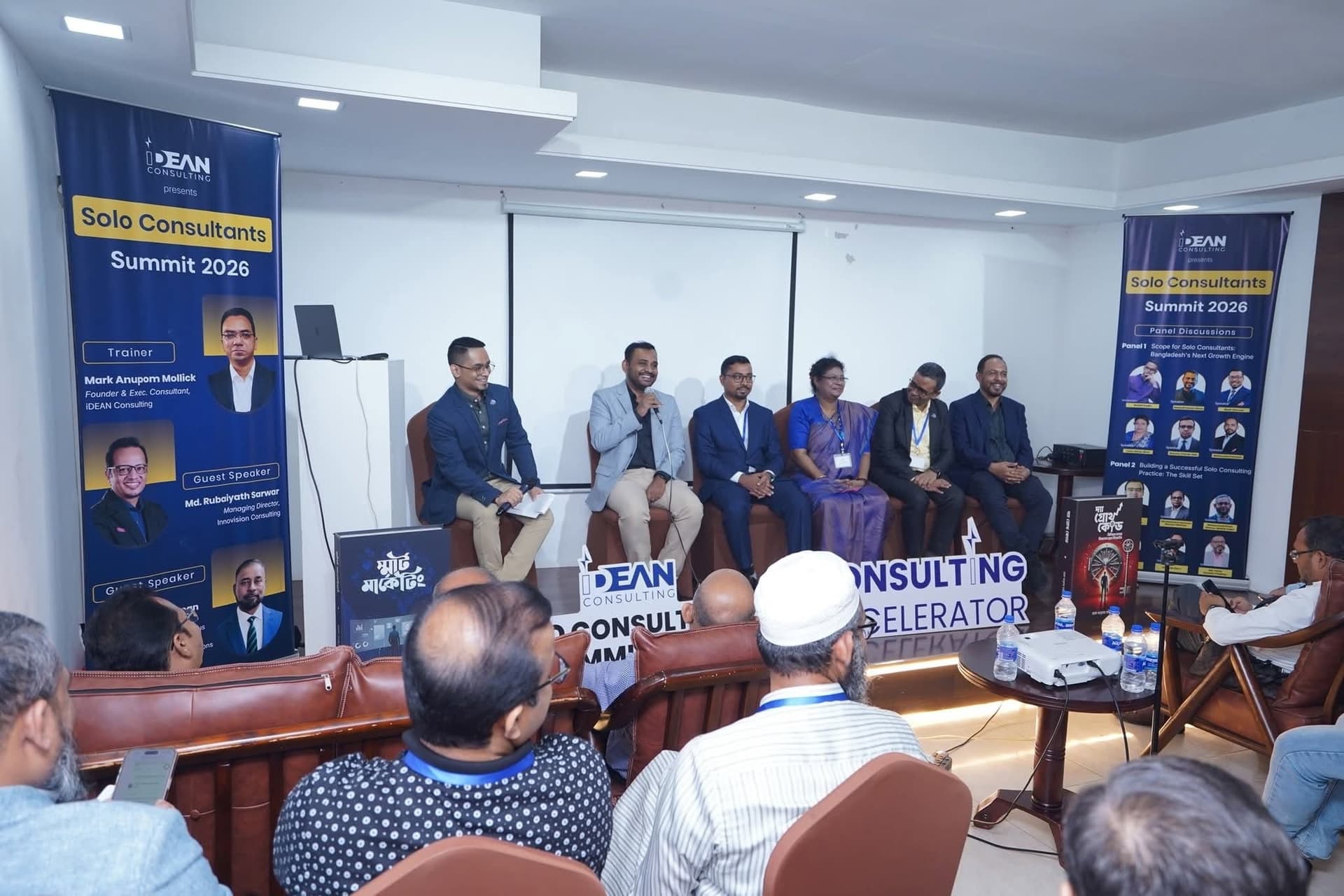
The theme of the first panel was "Scope for Solo Consultants: Bangladesh's Next Growth Engine." The moderator was Shafat Kadir, founder and CEO of Hat Bakso. On the panel were Mehedi Hasan Rana, founder of Quick Growth and former CMO of Rokomari, Basir Ahmed, Deputy Manager of Apex Footwear Ltd. and consultant of Future Icon, Israt Jahan Rimi, Senior Manager (HR & Admin) of MSC, Shovon Kumer Deb, former Senior Manager of One Bank and currently independent contractor of More Than Financials Pty Ltd., and Mahmudul Hasan, AI transformation coach and consultant. Hearing from the former CMO of an e-commerce giant like Rokomari about the future of e-commerce was a unique experience. From within an organization like Apex Footwear came the story of challenges in the footwear industry. Shovon Kumer Deb's journey of leaving a long banking career to work as an independent contractor for an Australian organization was a living example of solo consulting. Israt Jahan Rimi showed the way to build a career through the eyes of human resource management, and Mahmudul Hasan showed how AI transformation can be turned into consulting. For those who think this path is only for IT or business consultants, this panel changed that perception.
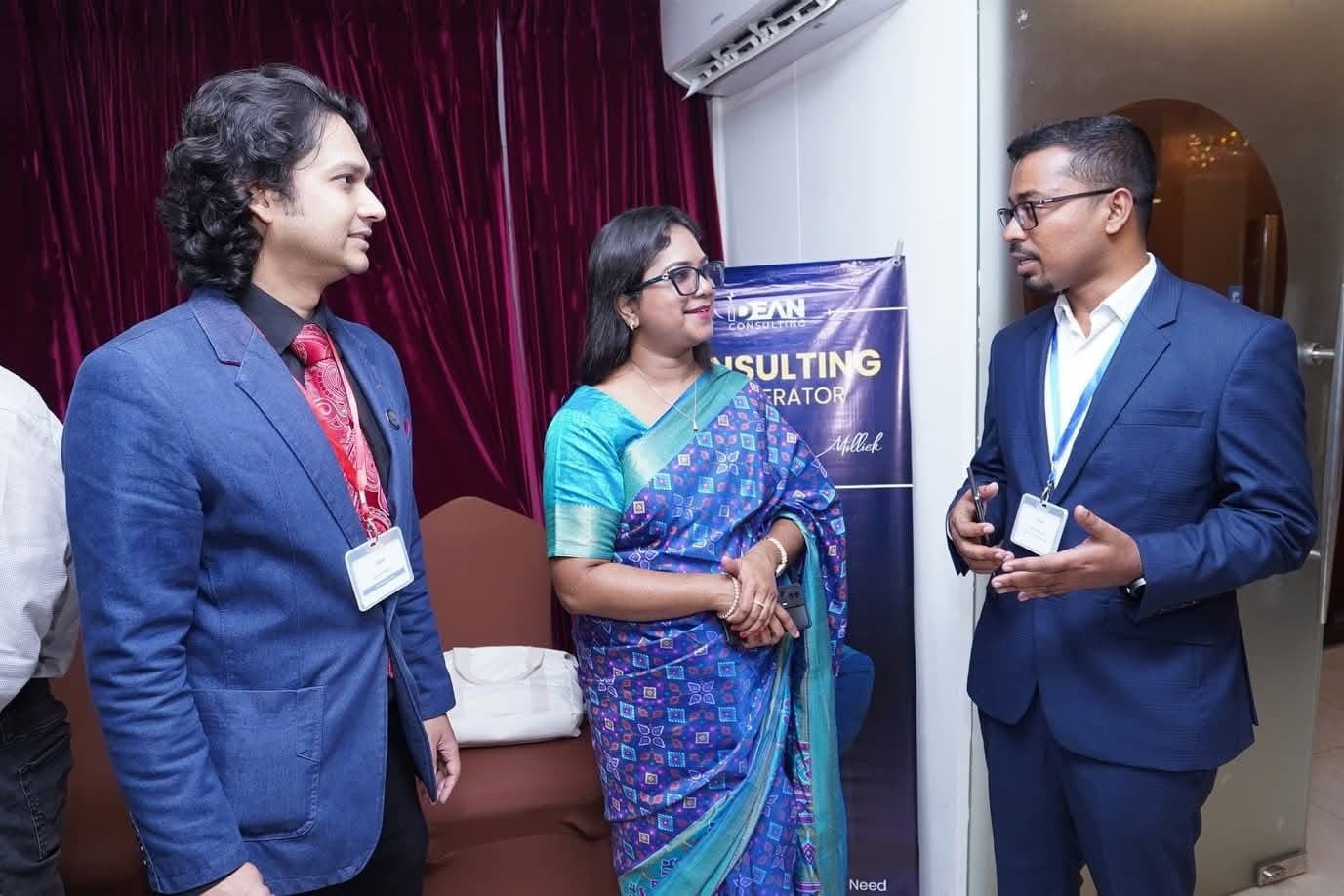
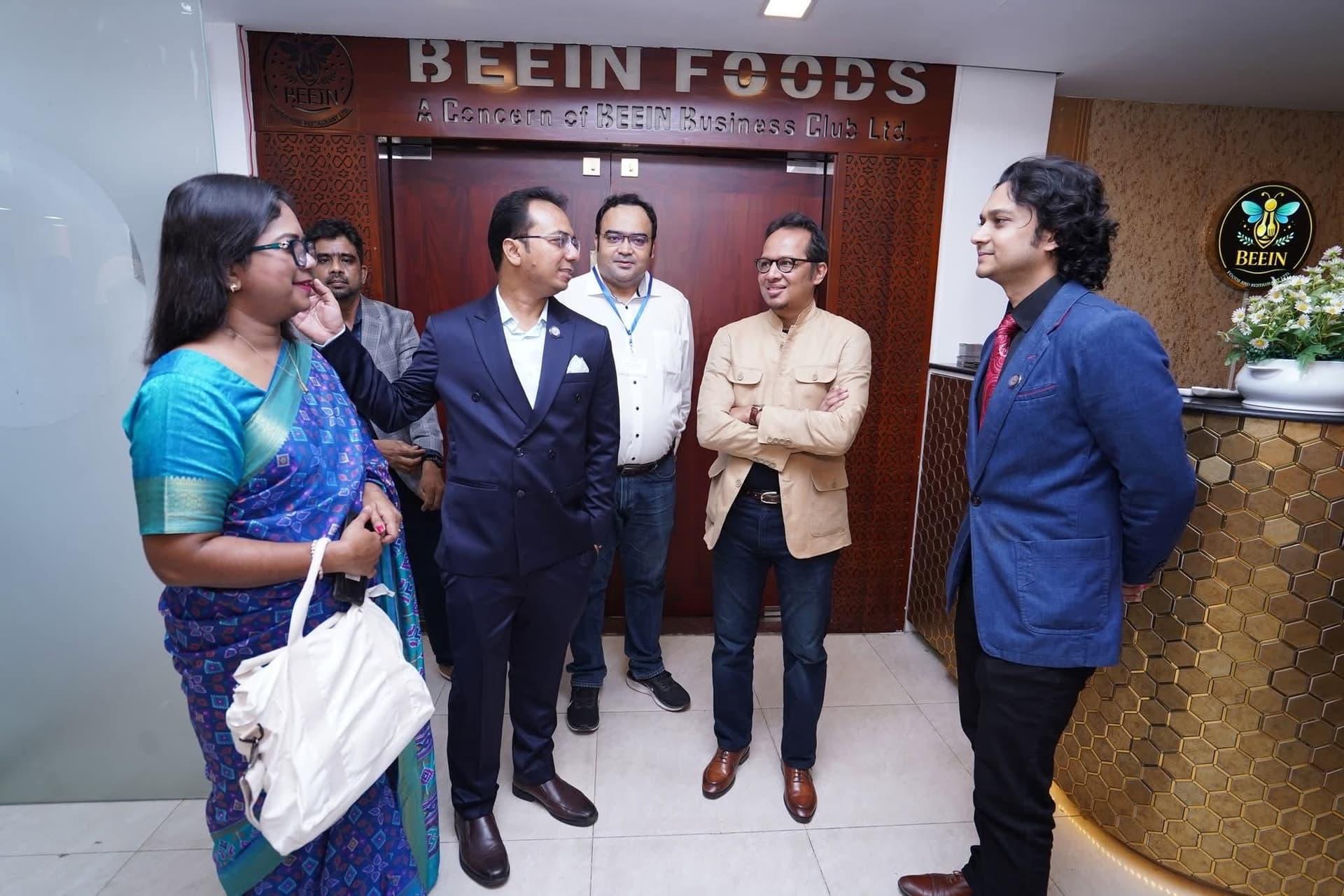
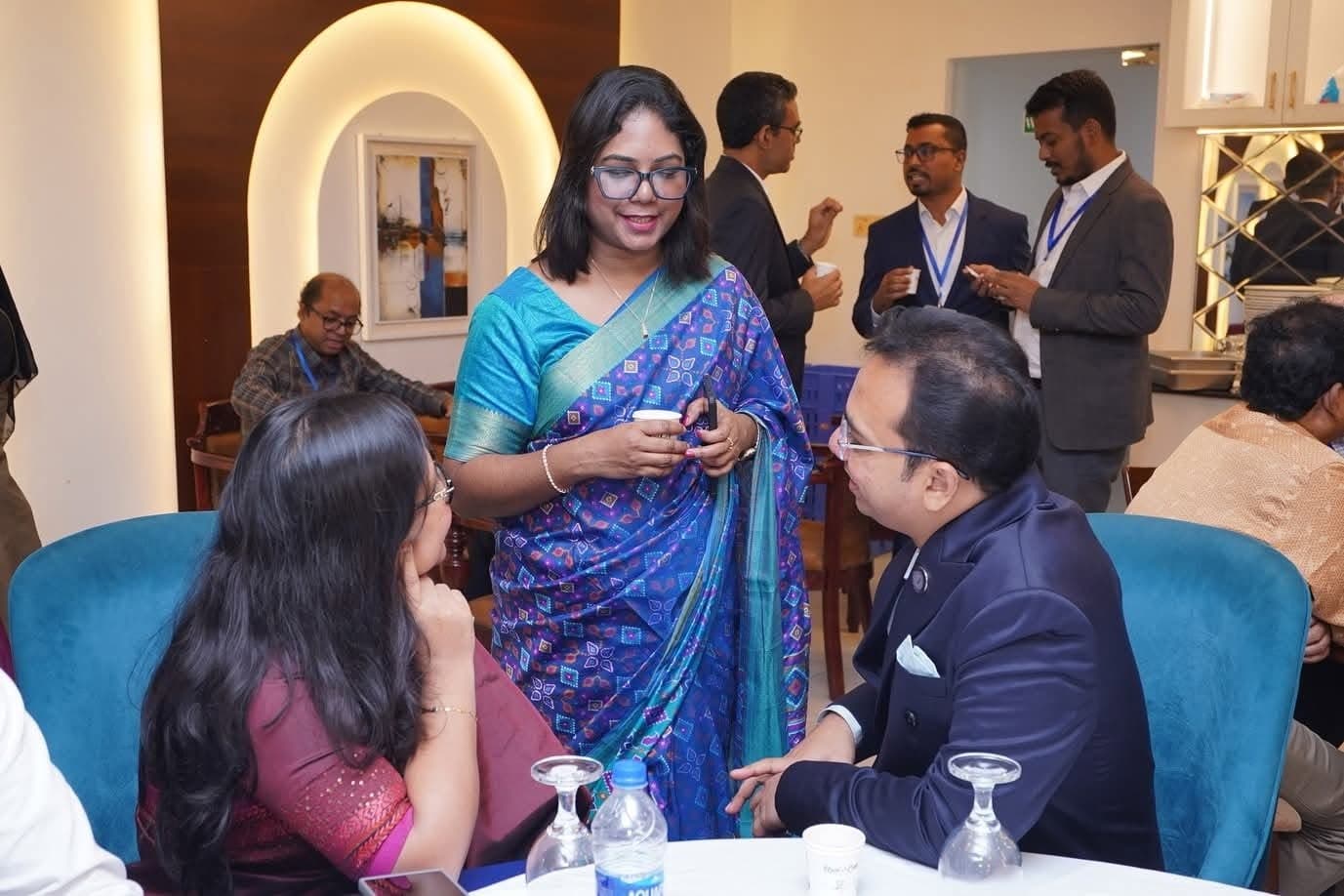
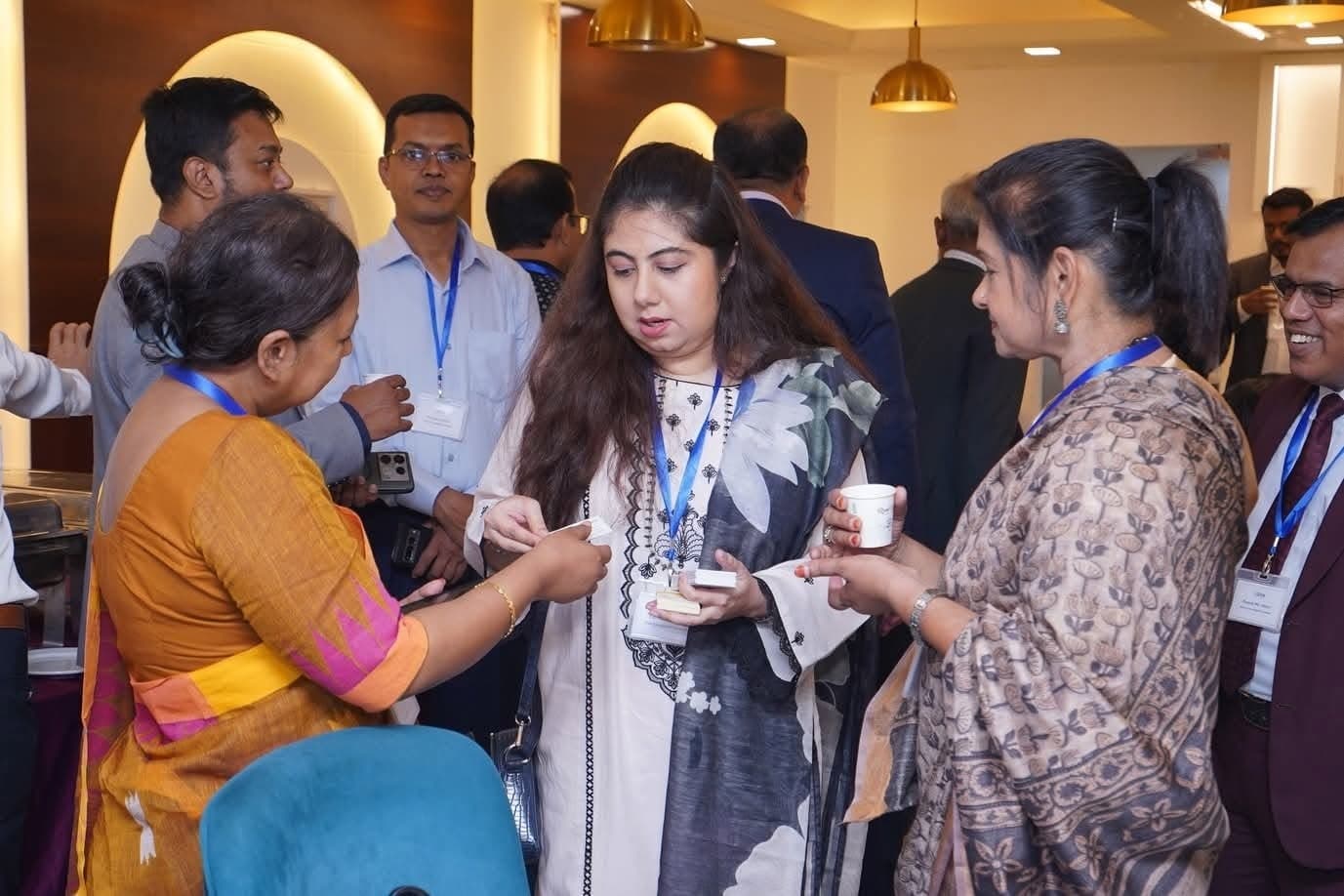
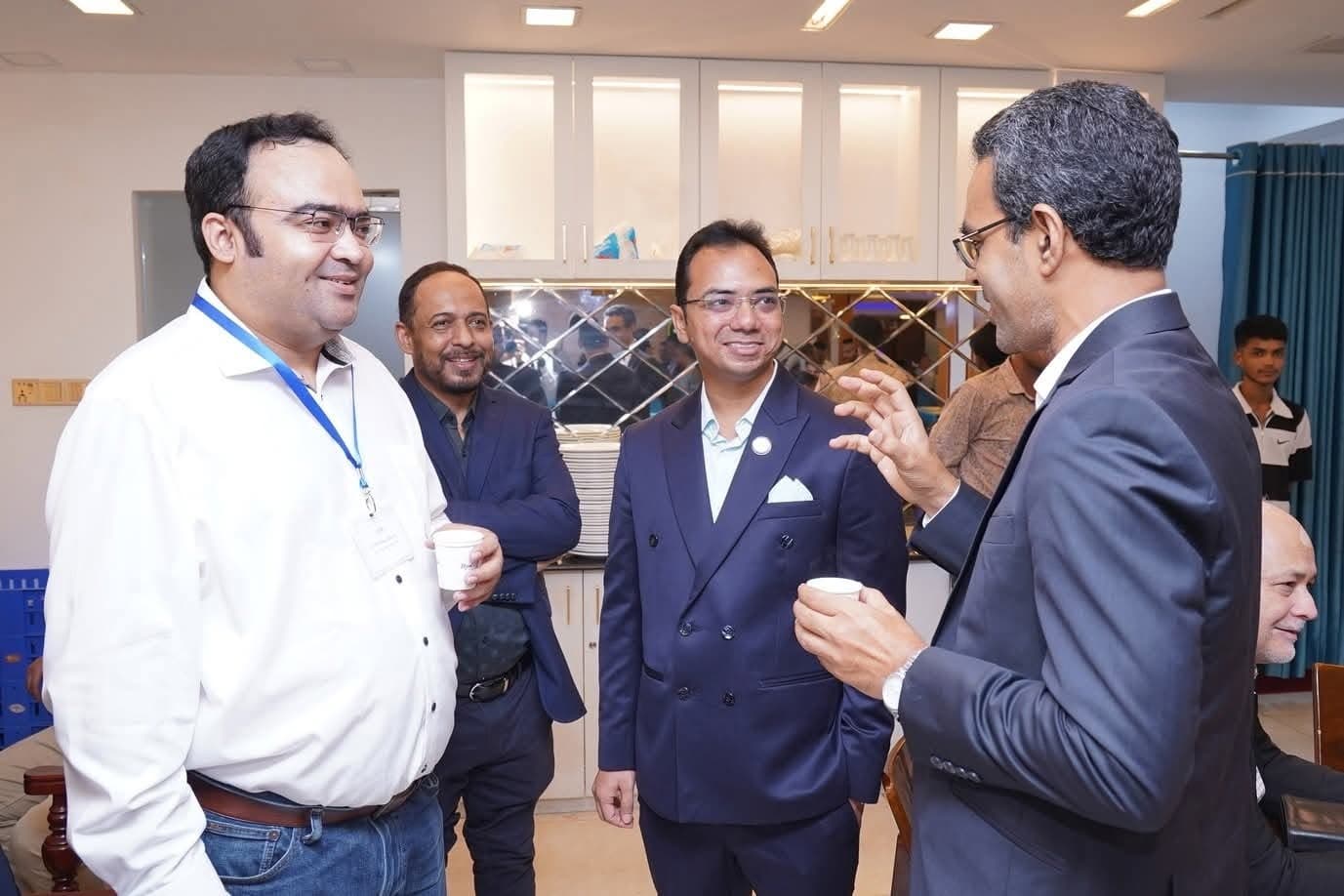
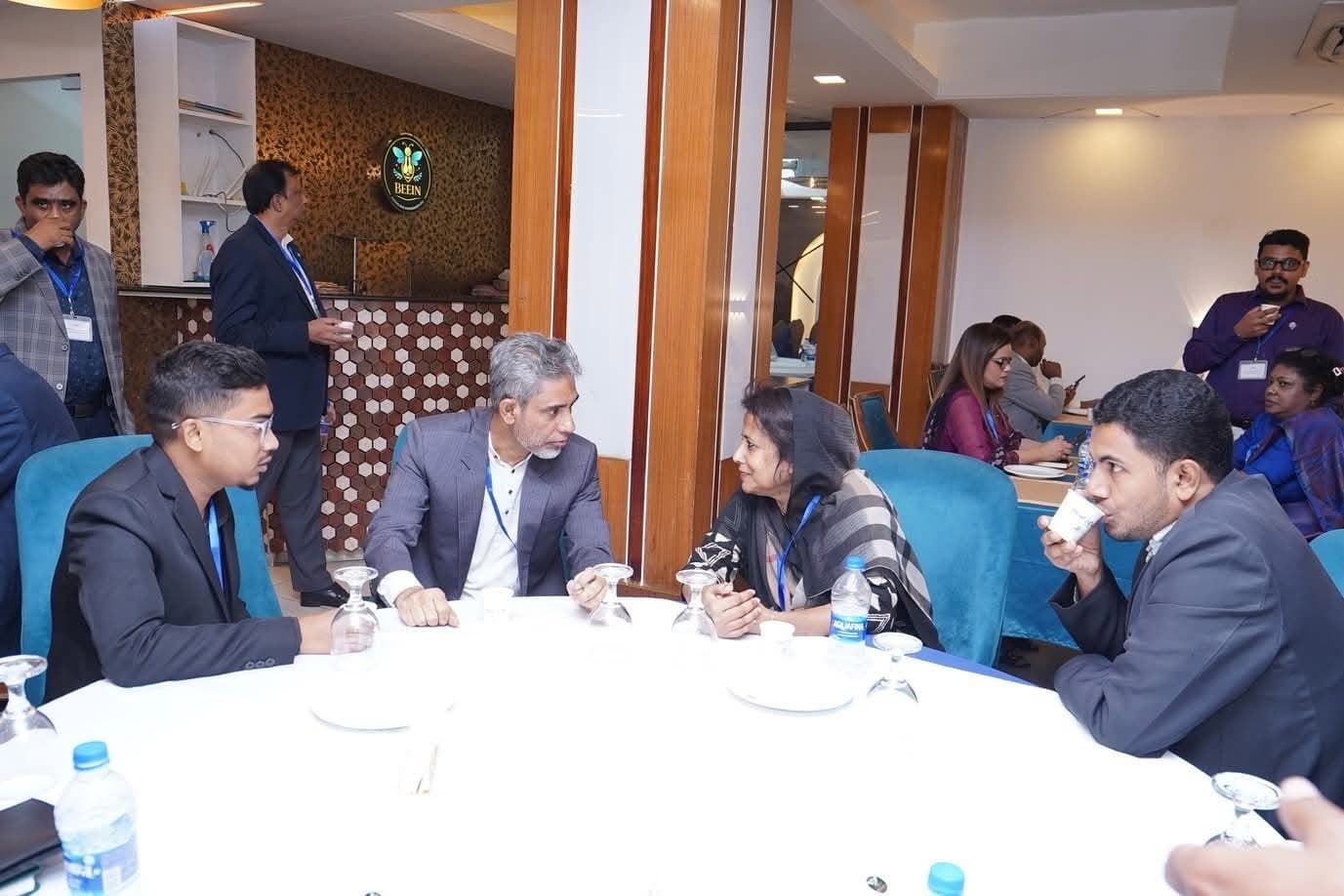
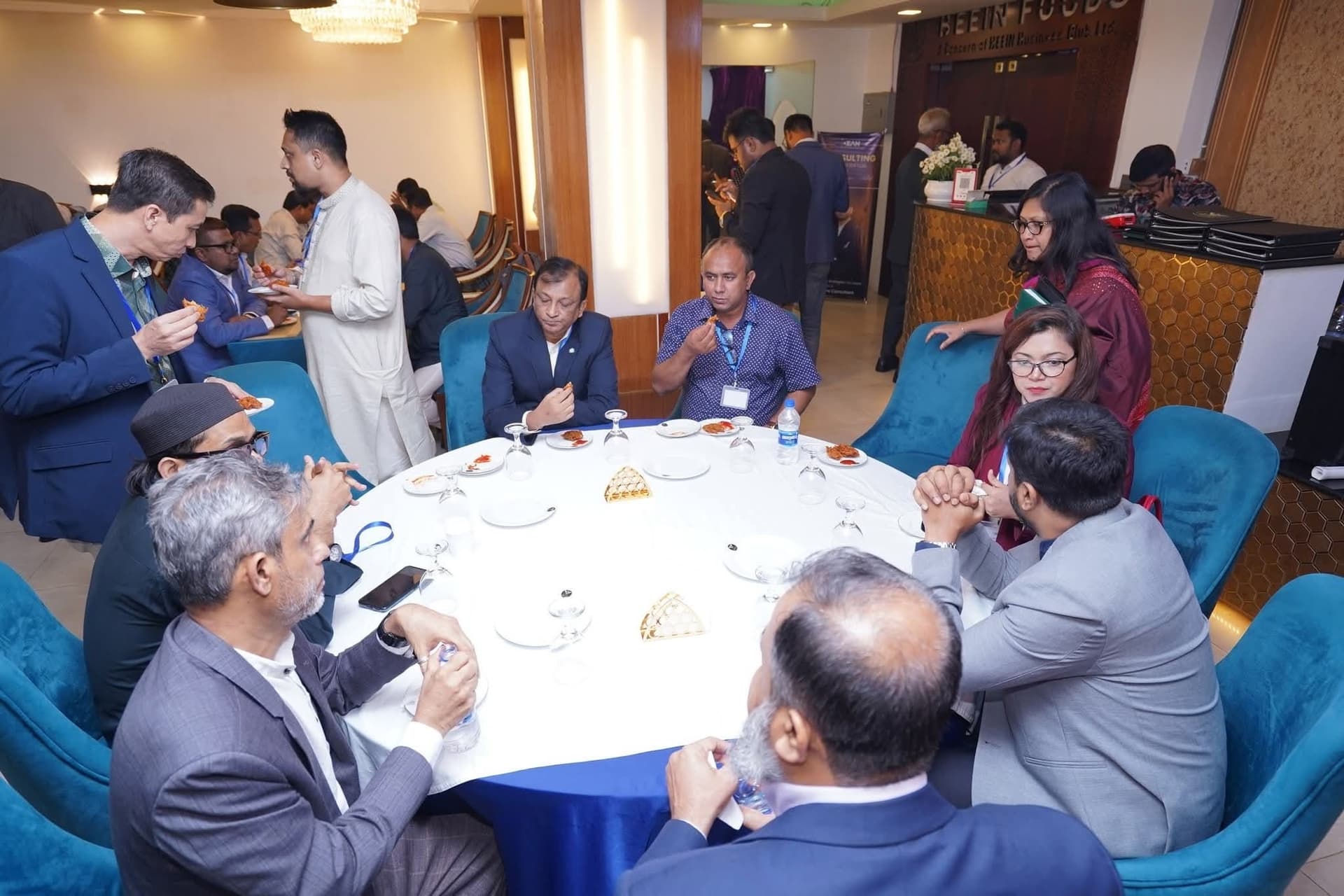
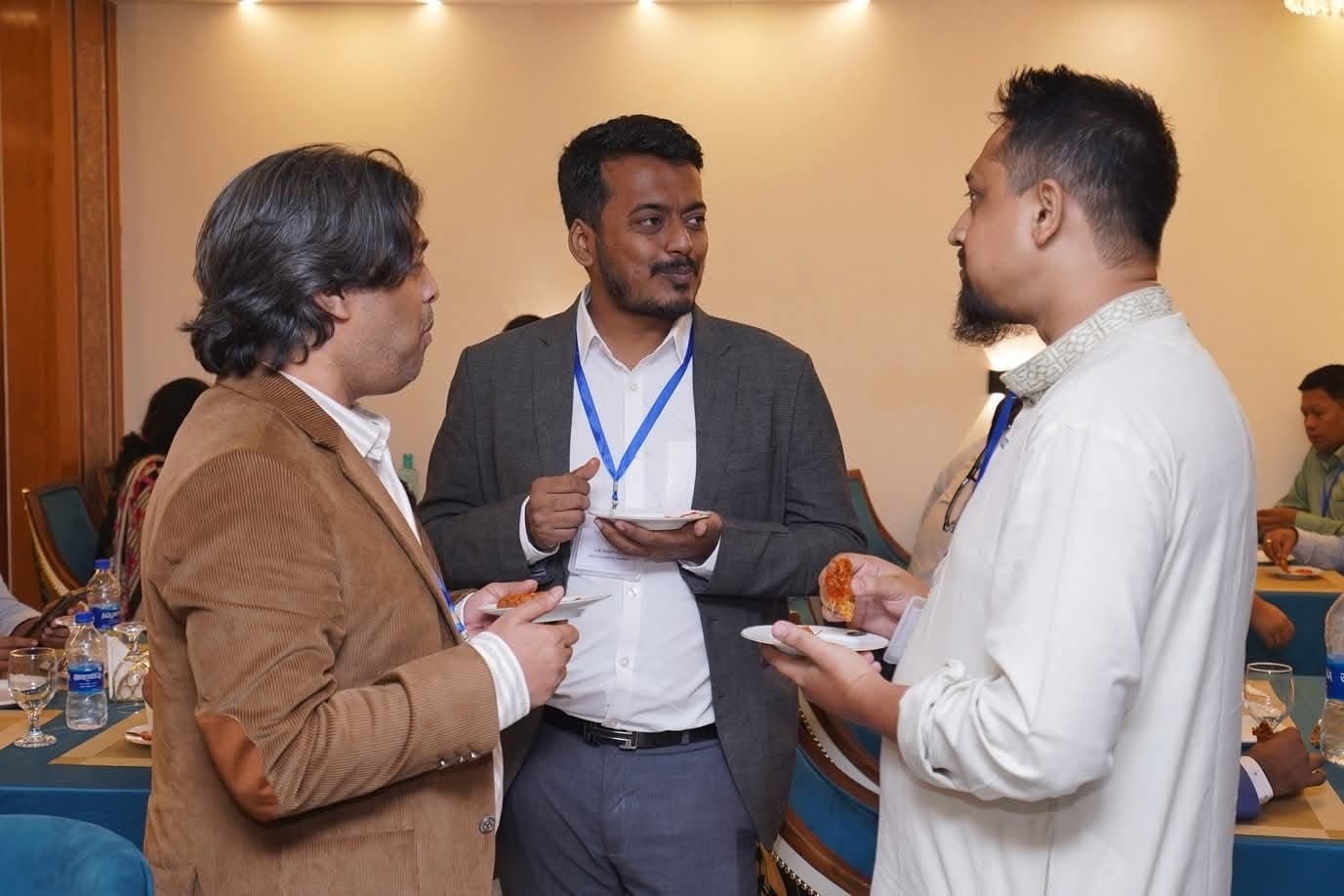
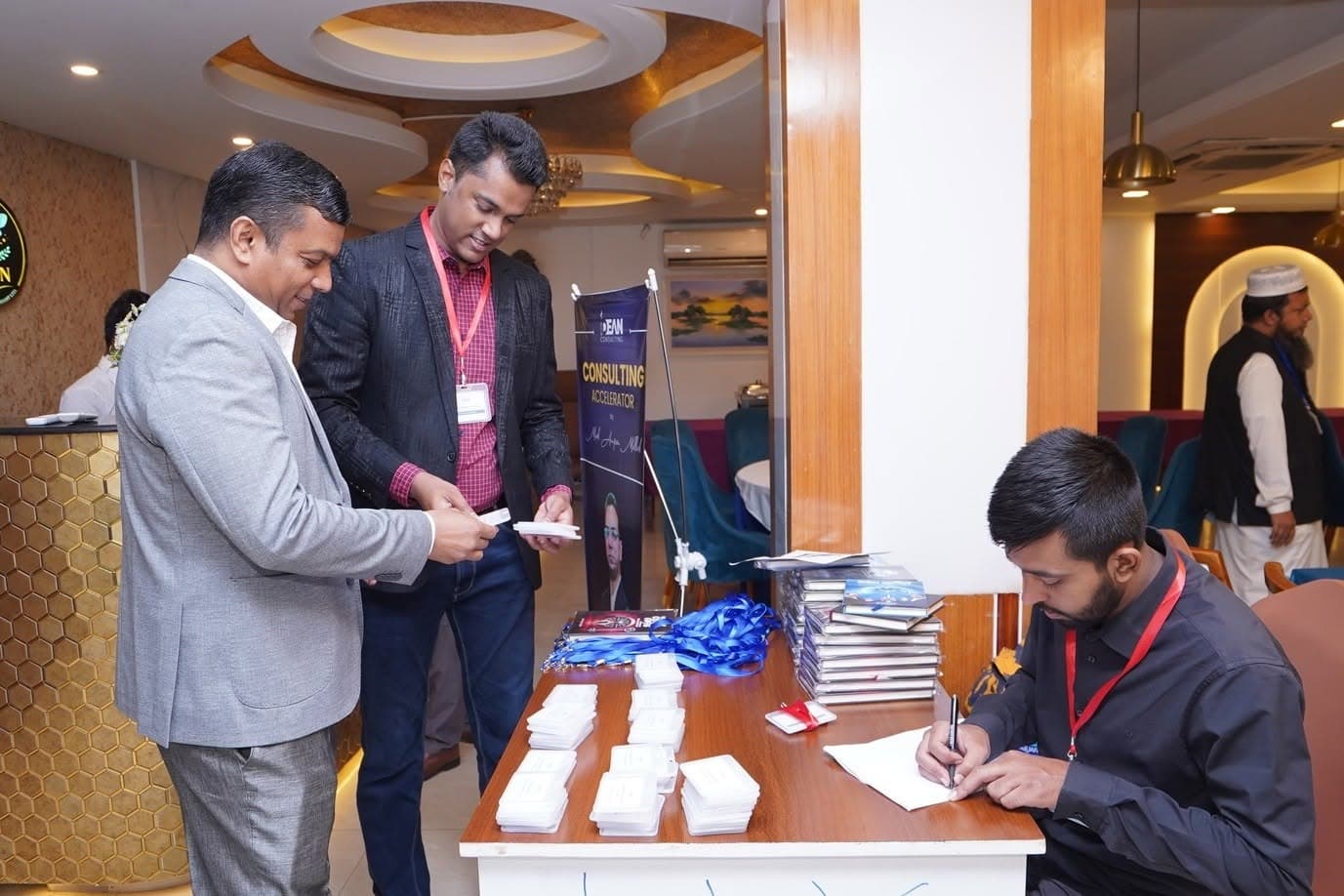
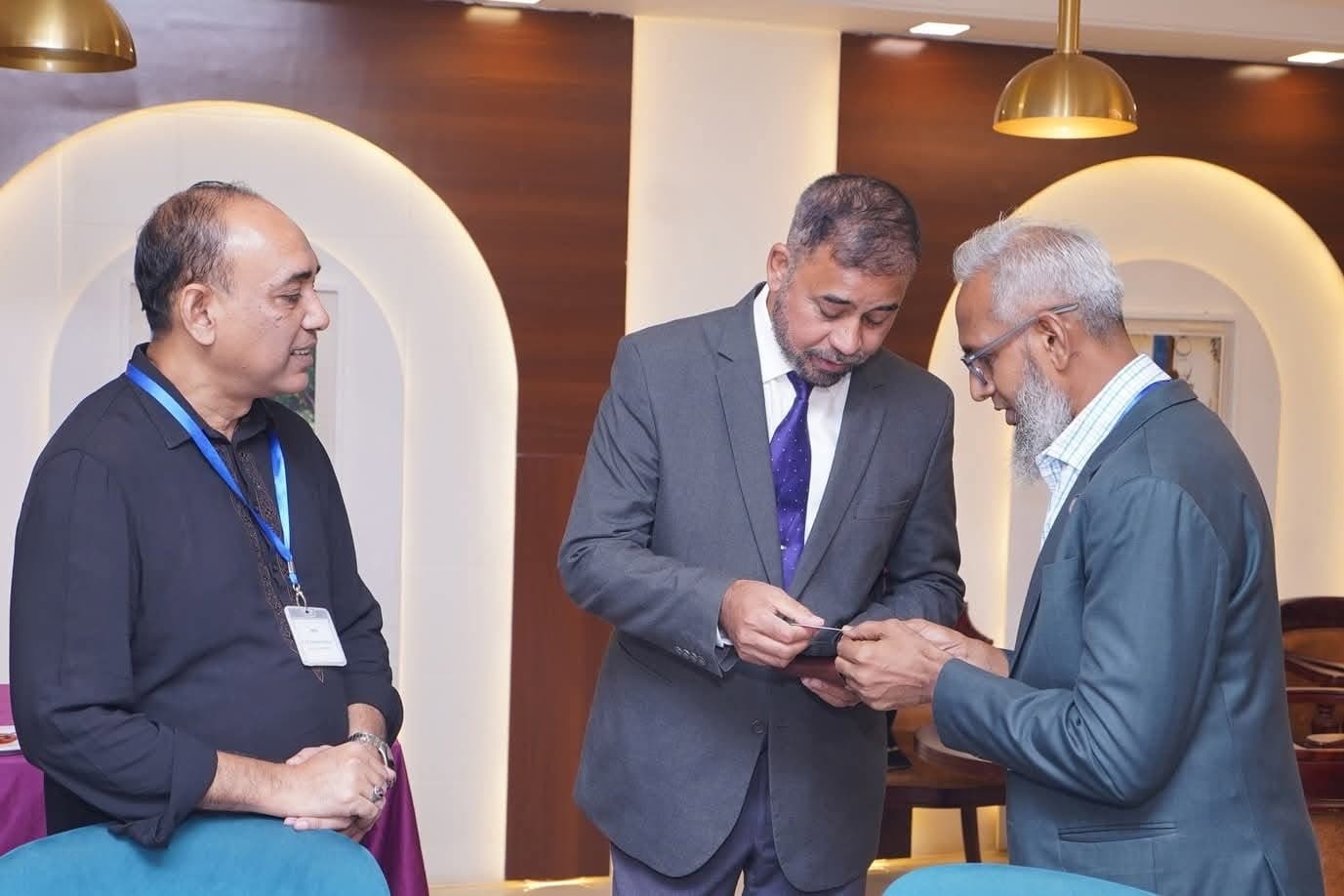
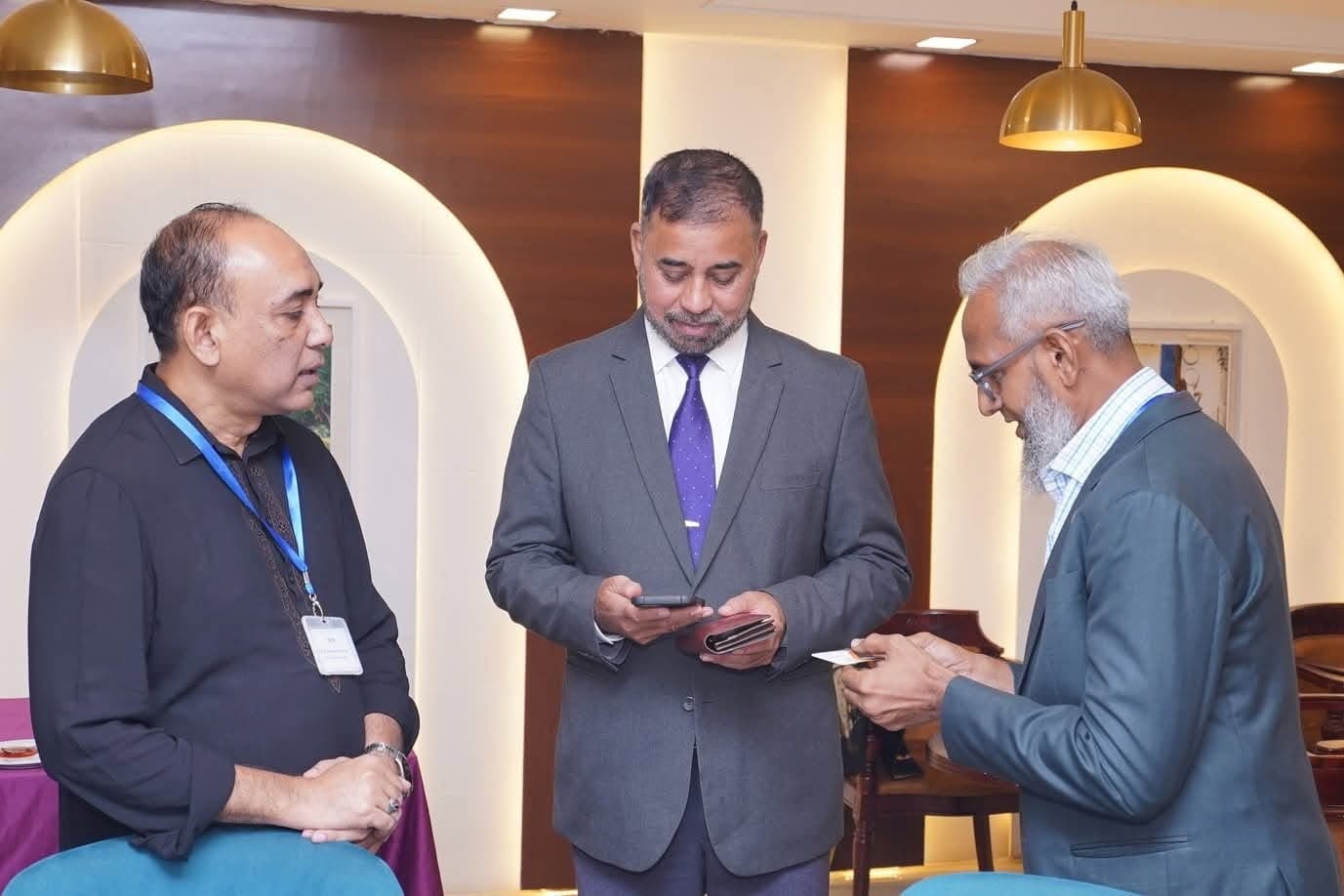
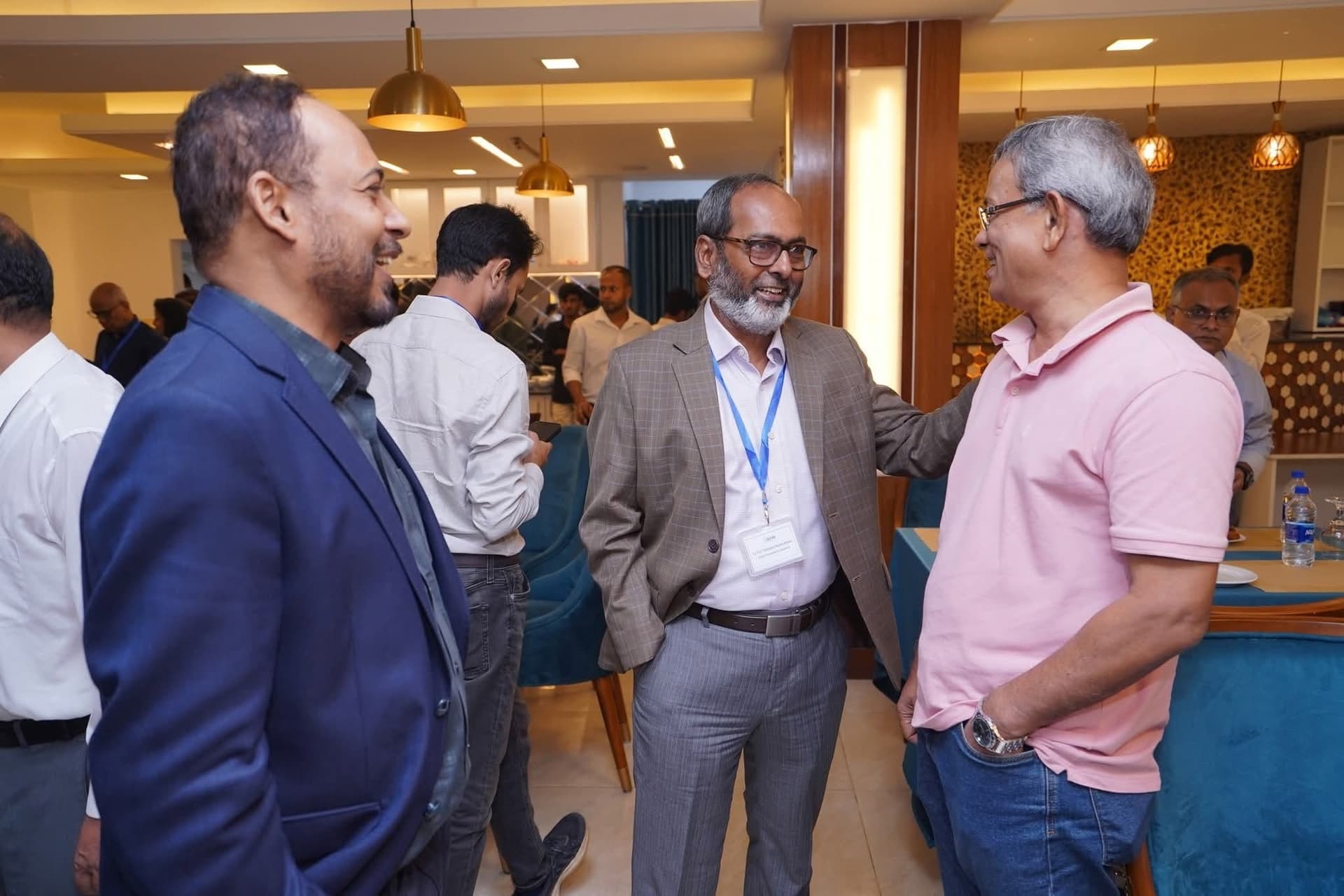
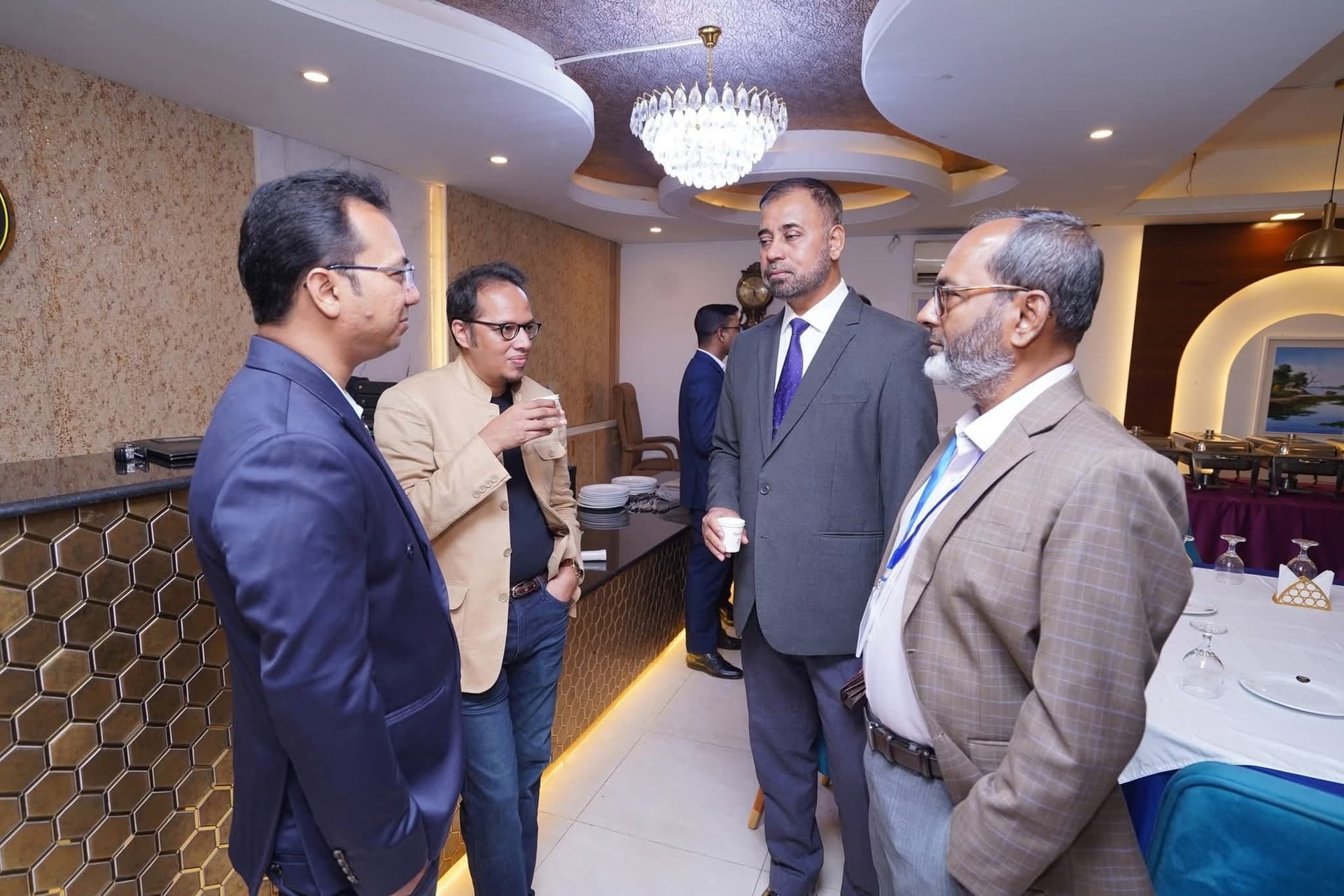
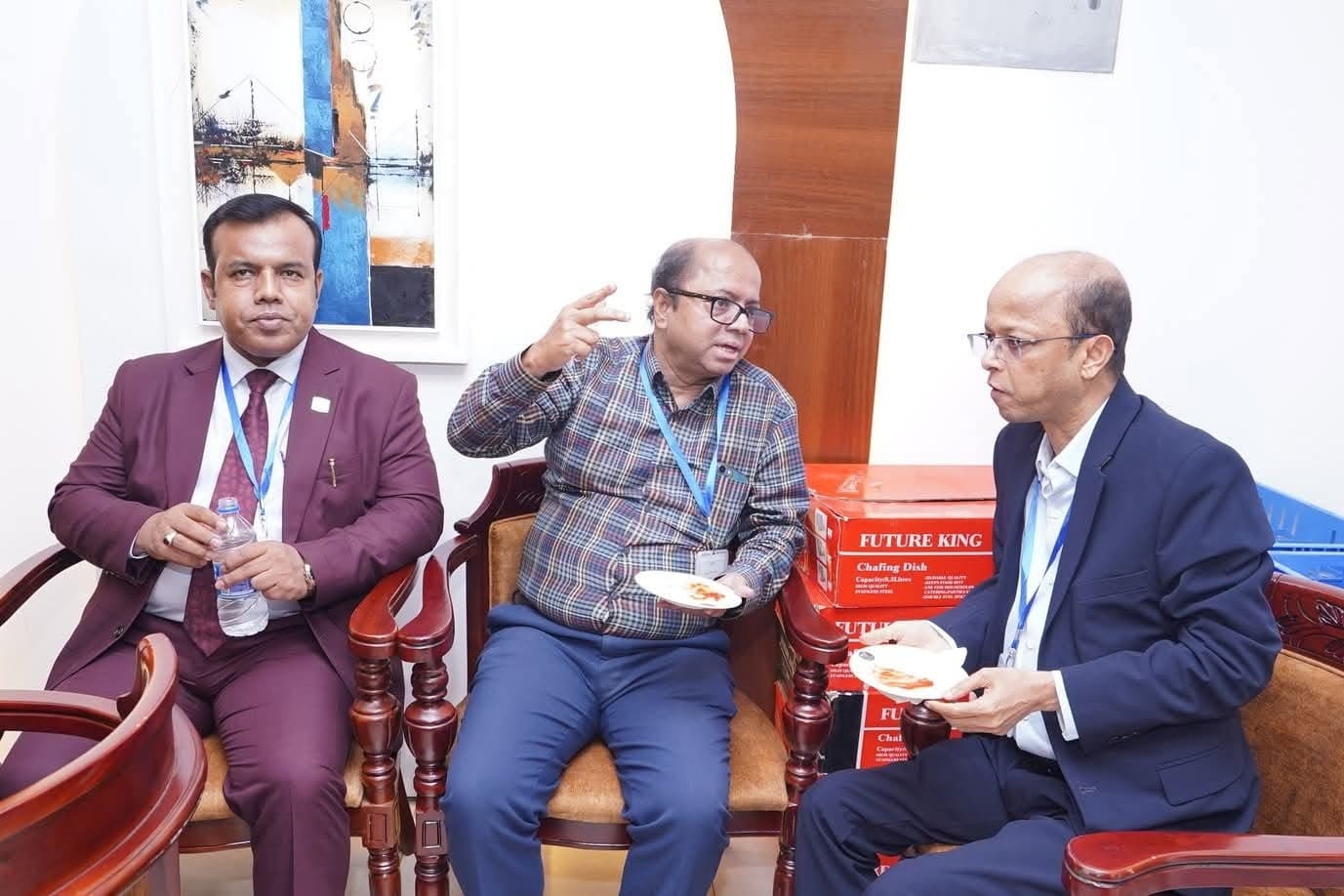
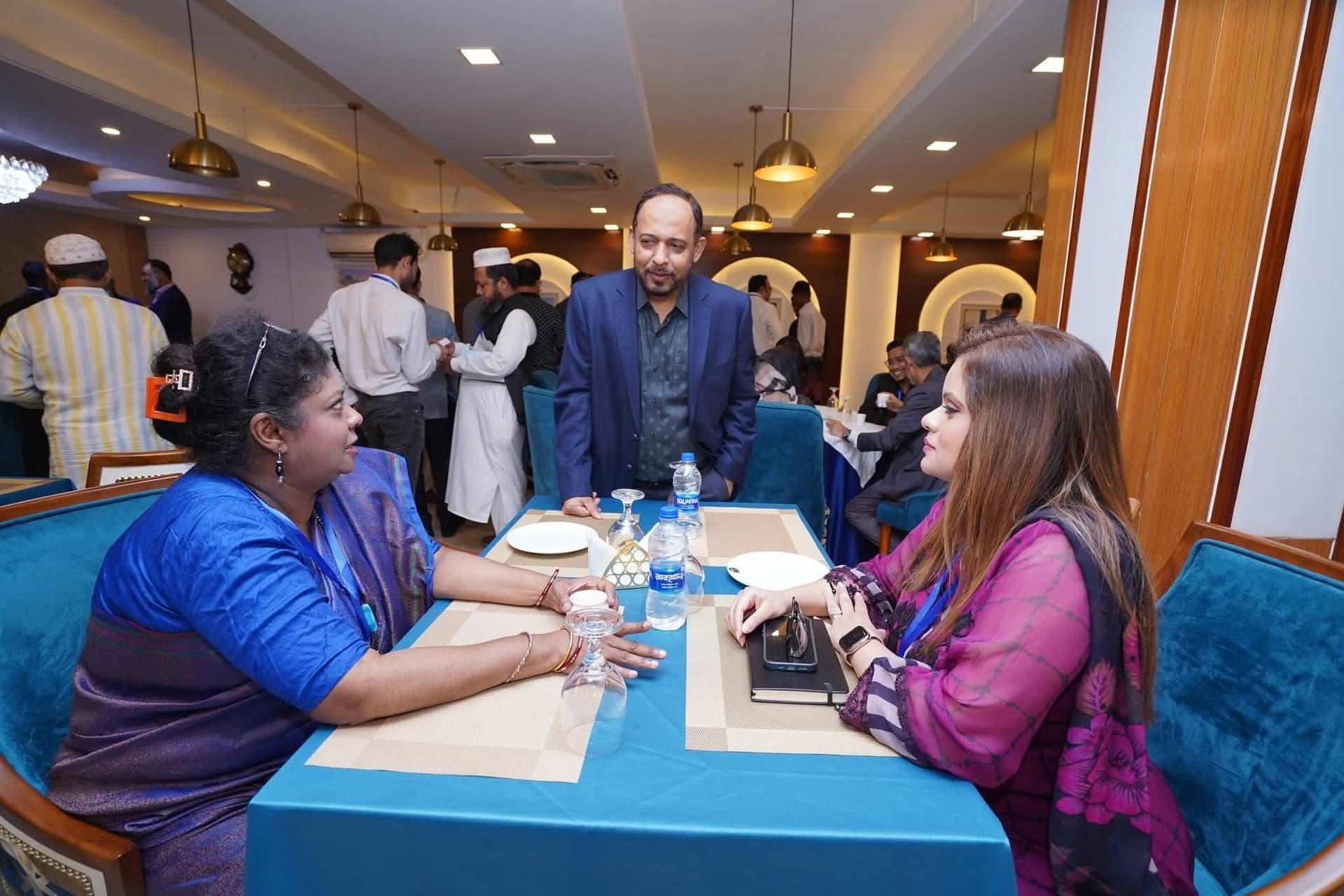
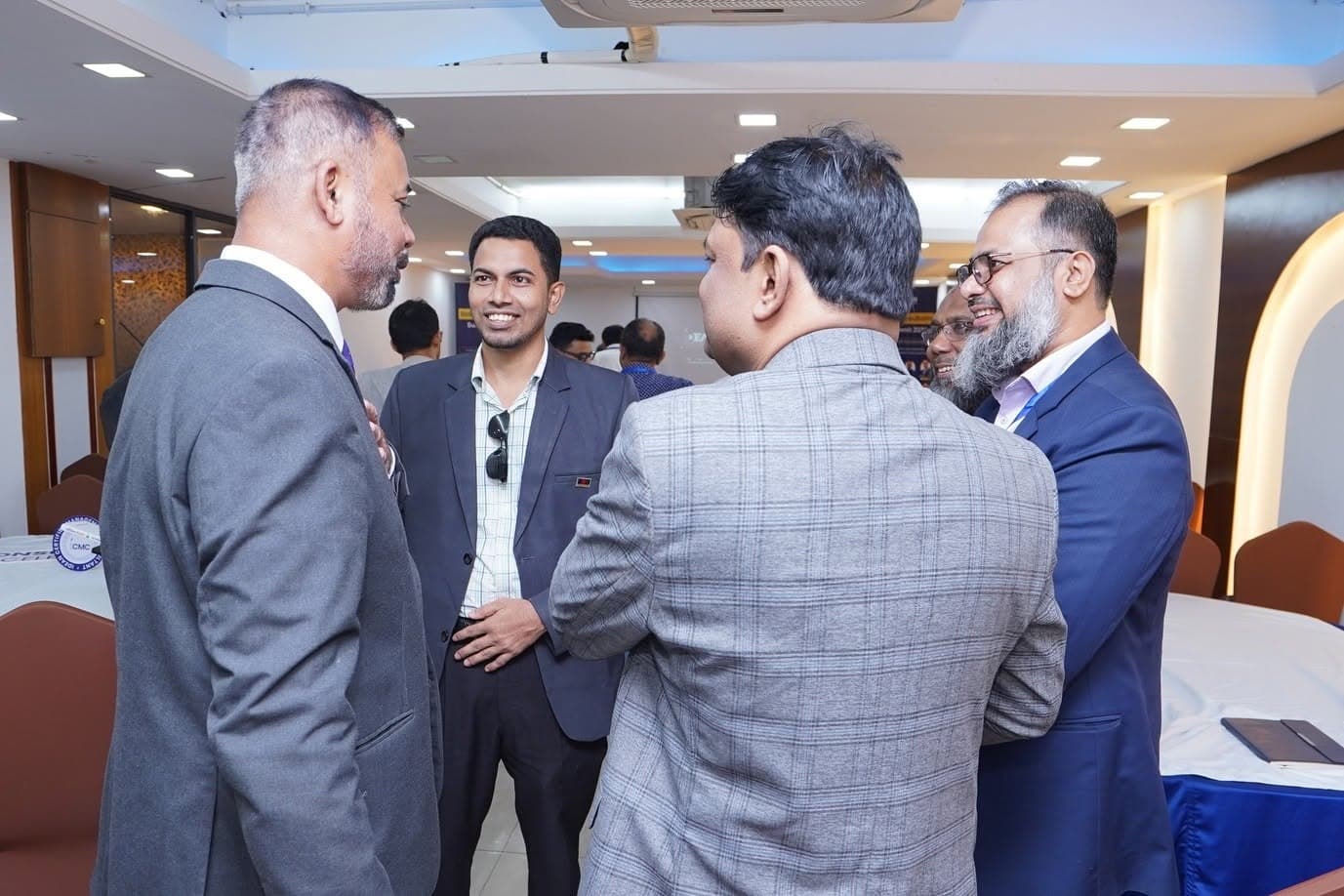
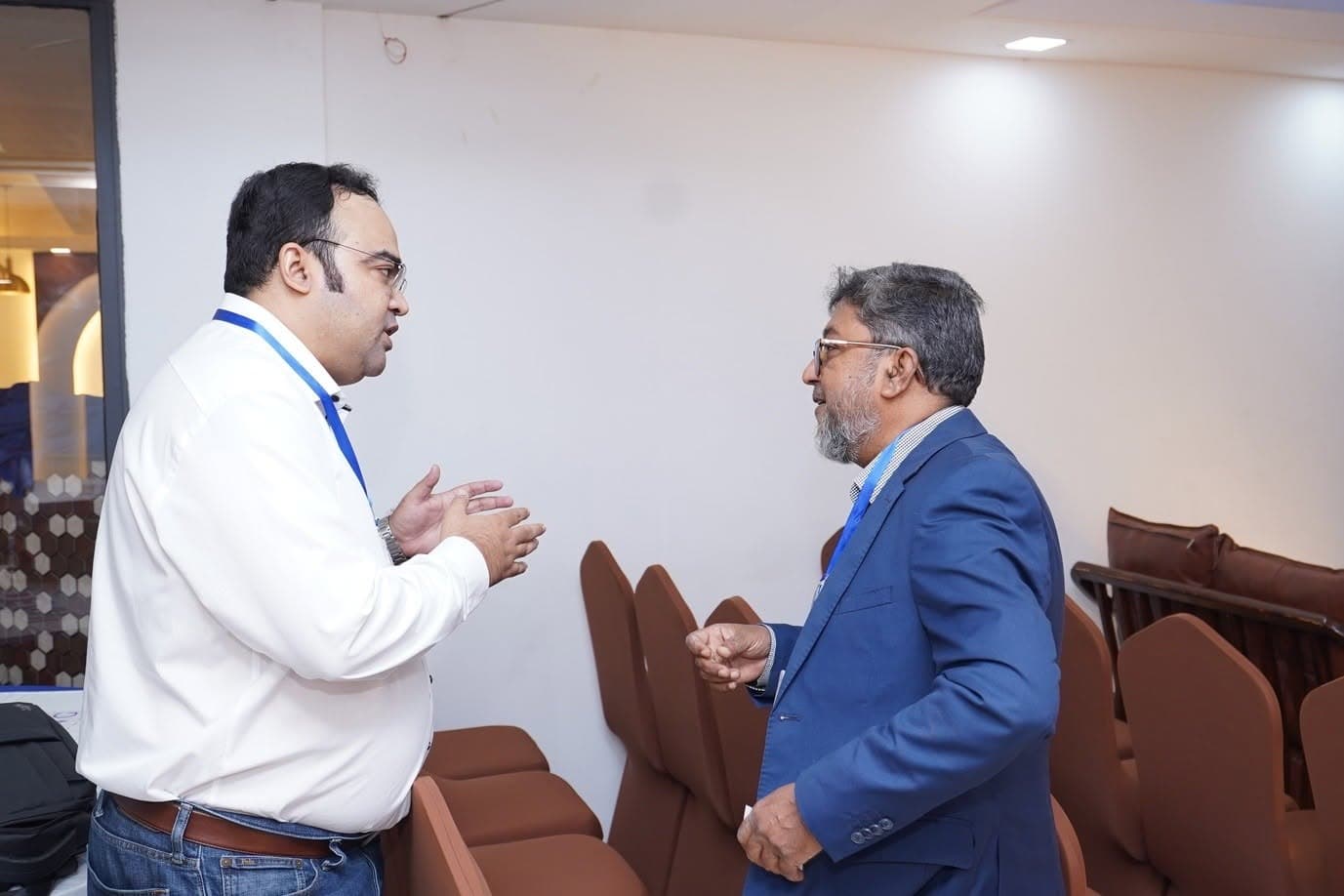
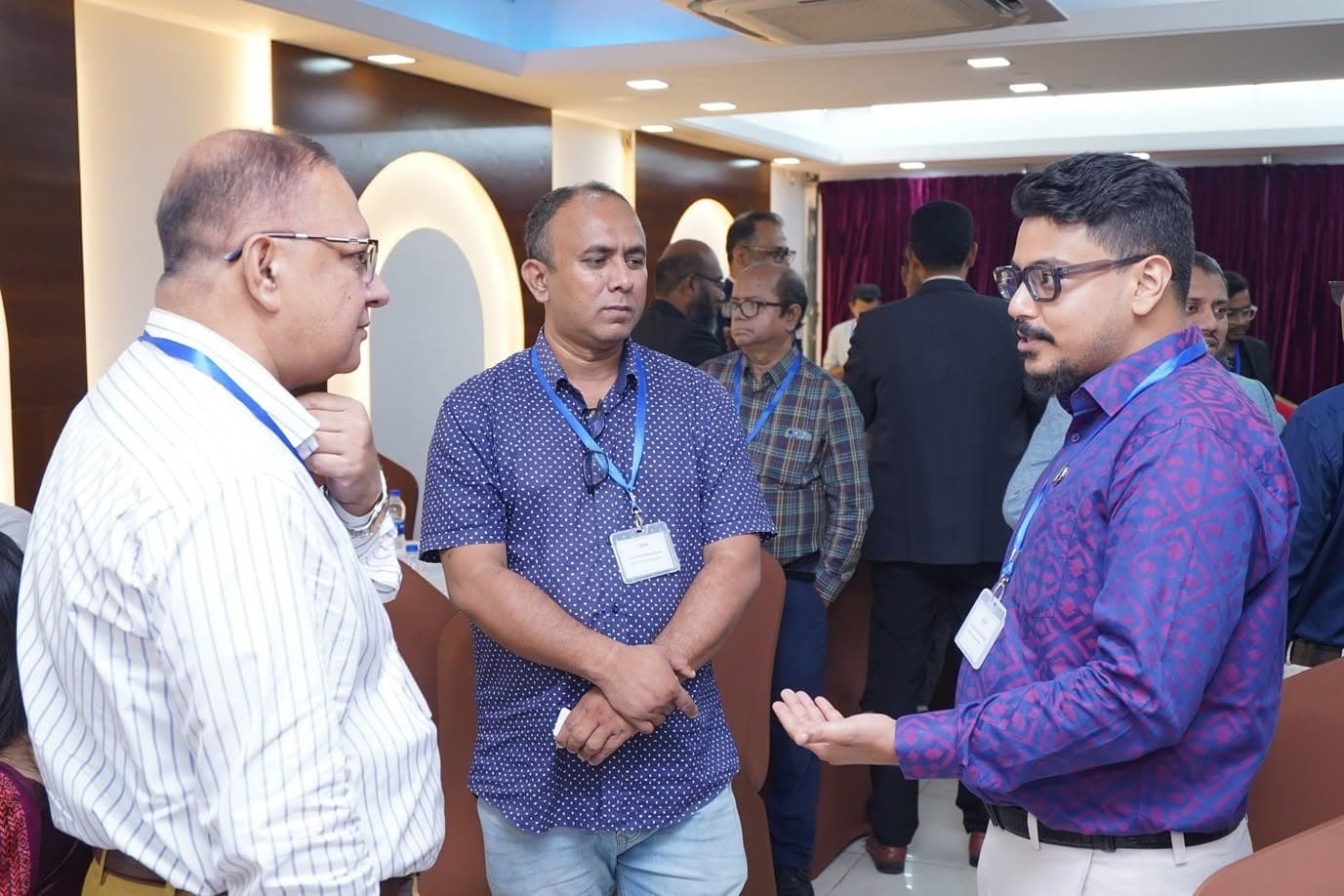
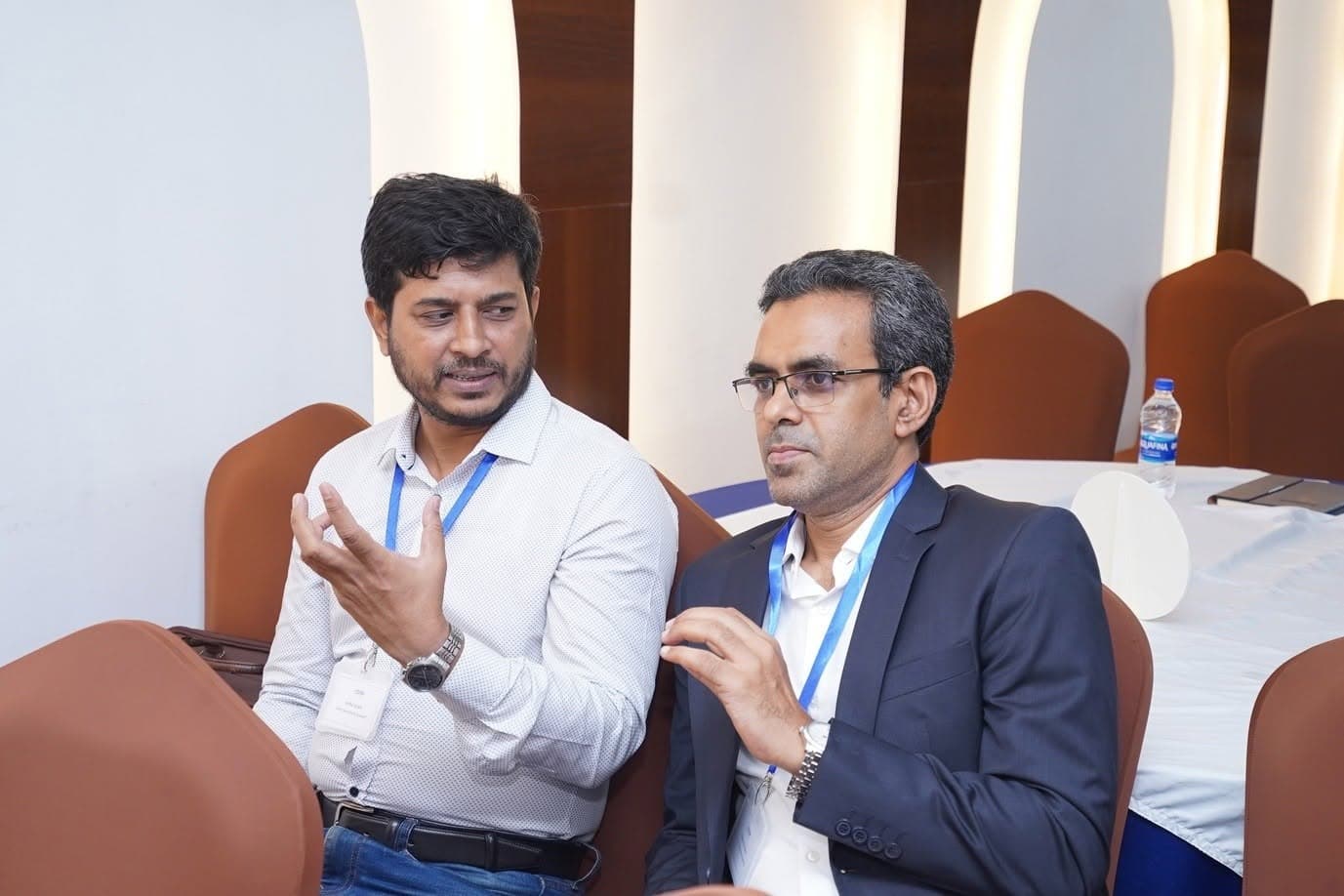
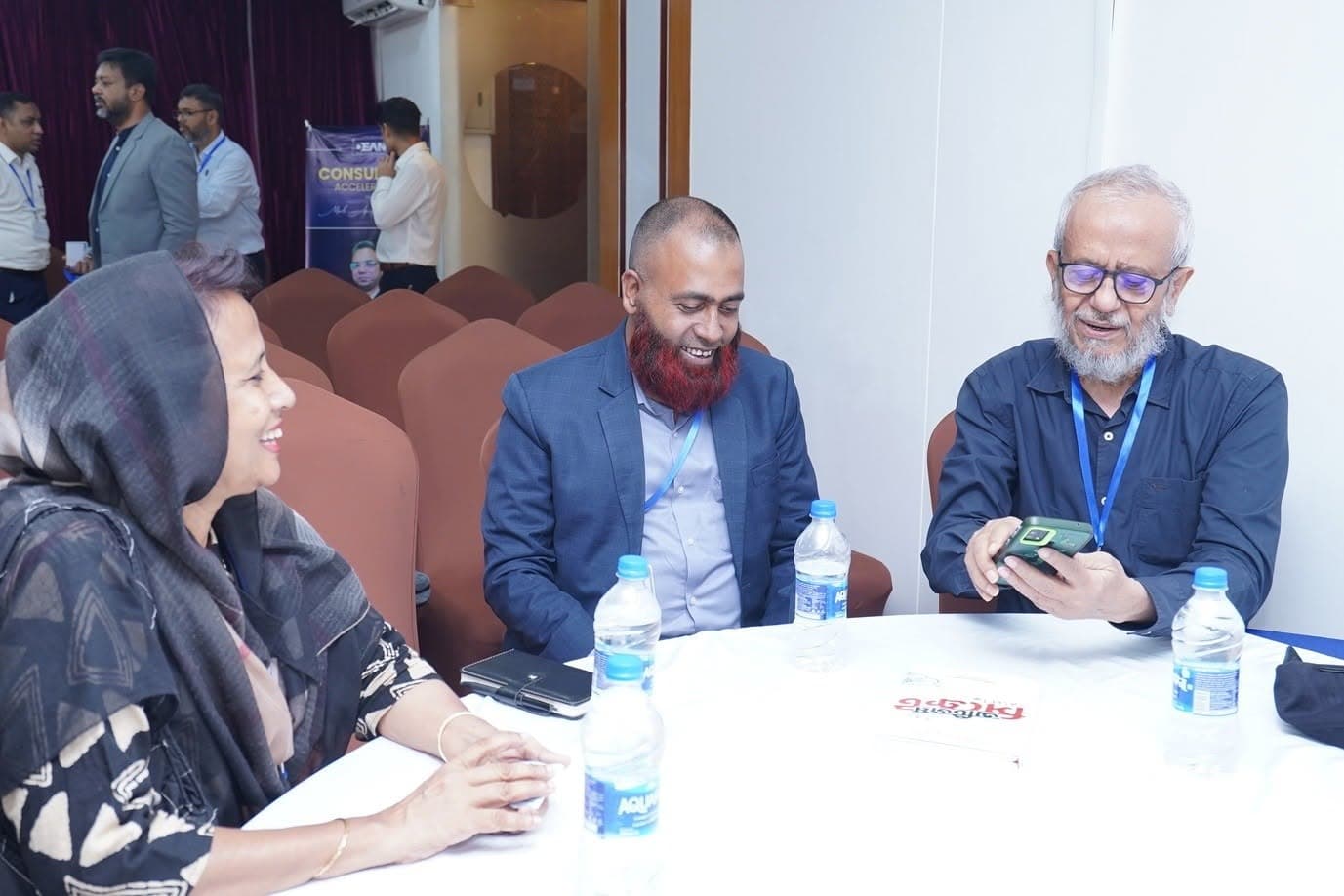
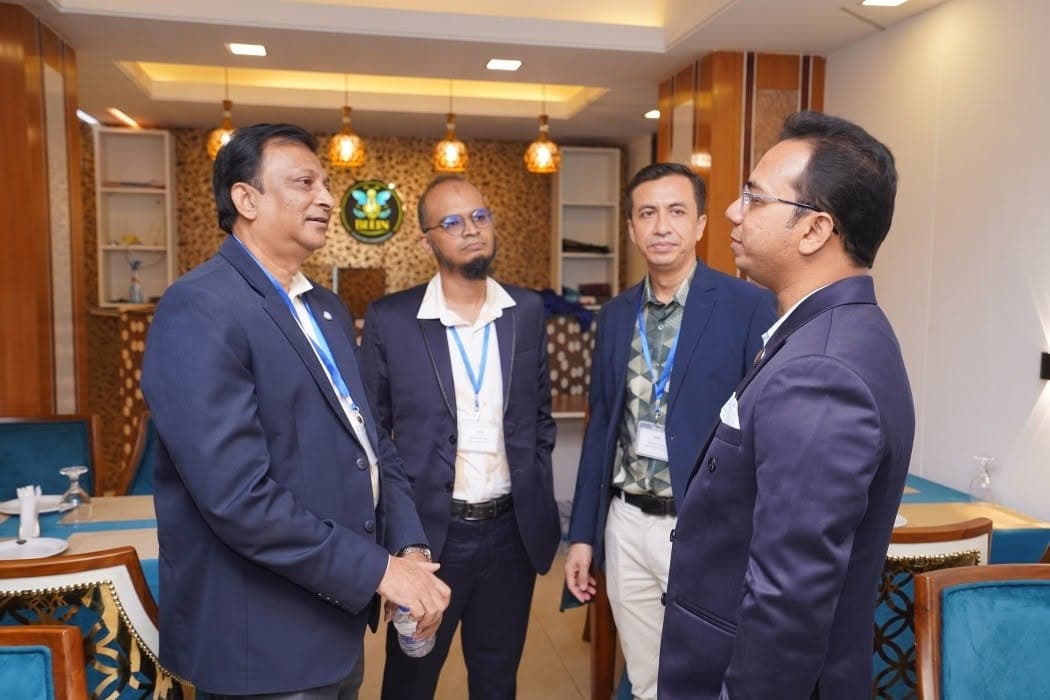
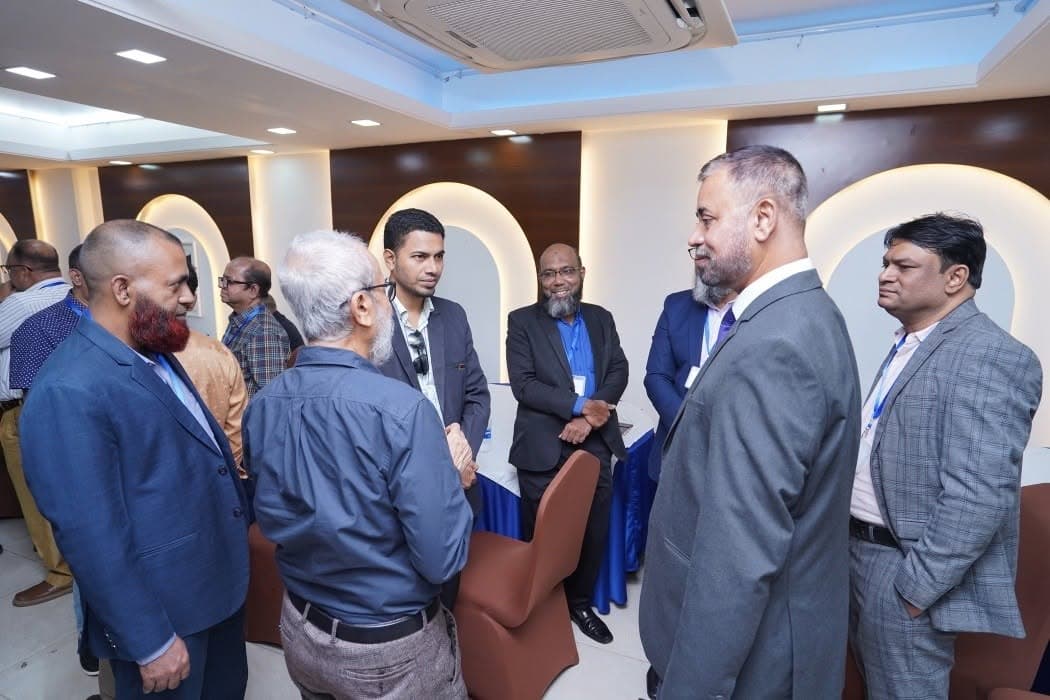
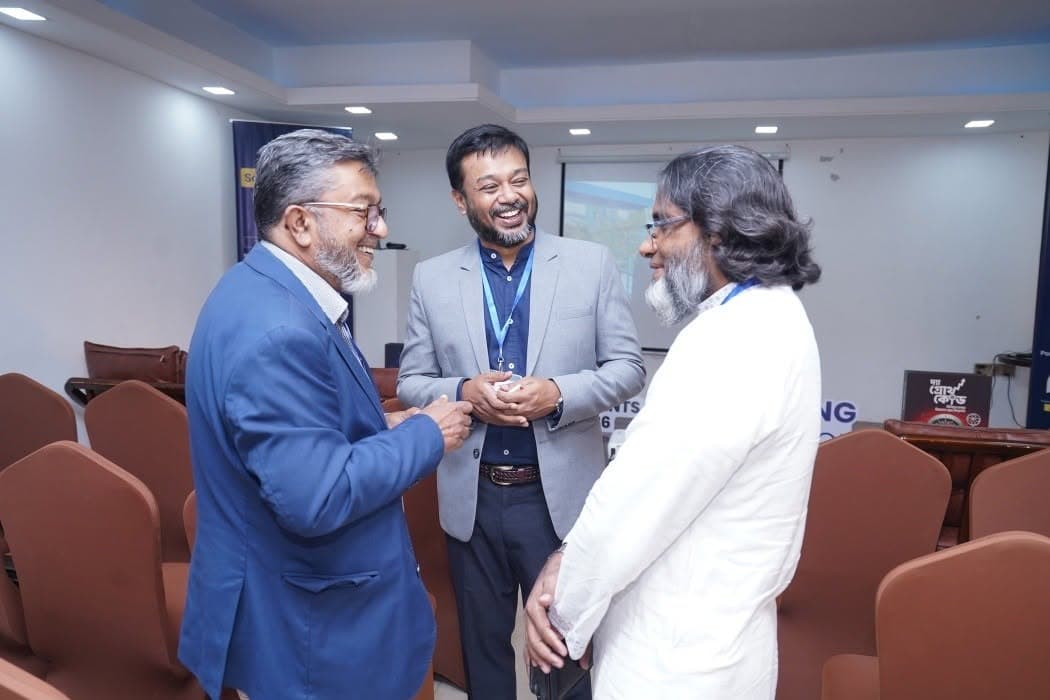
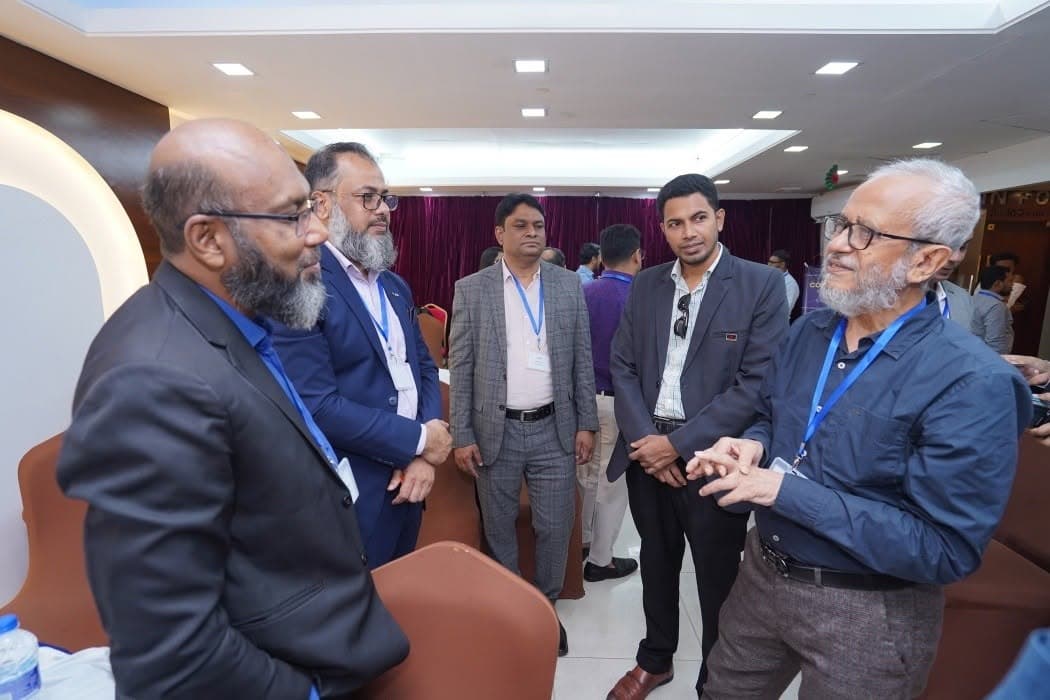
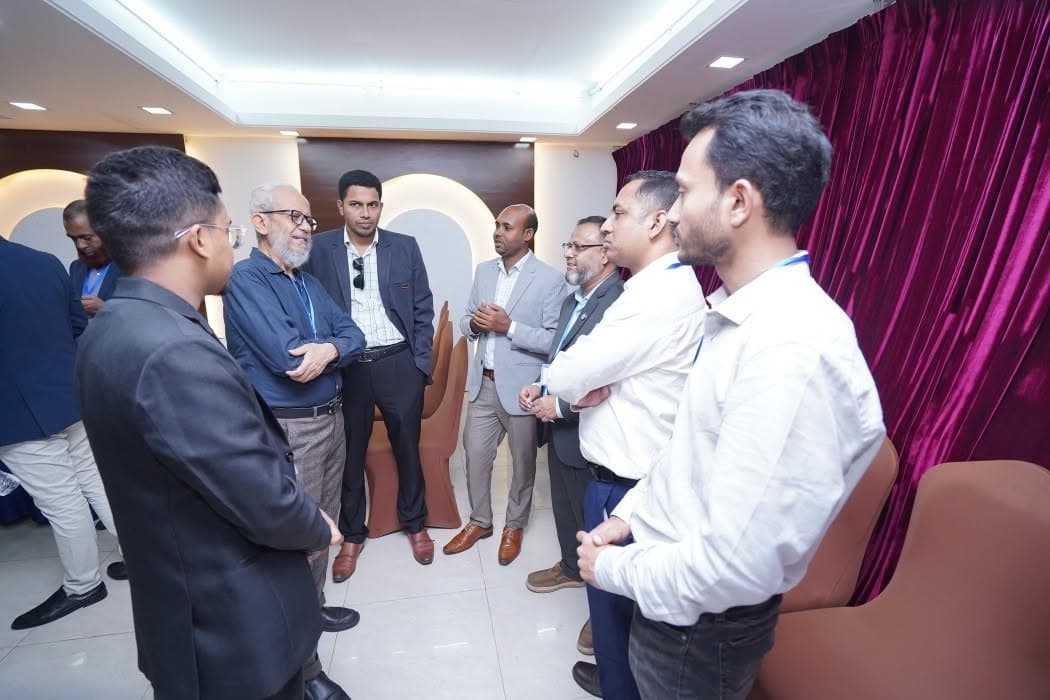
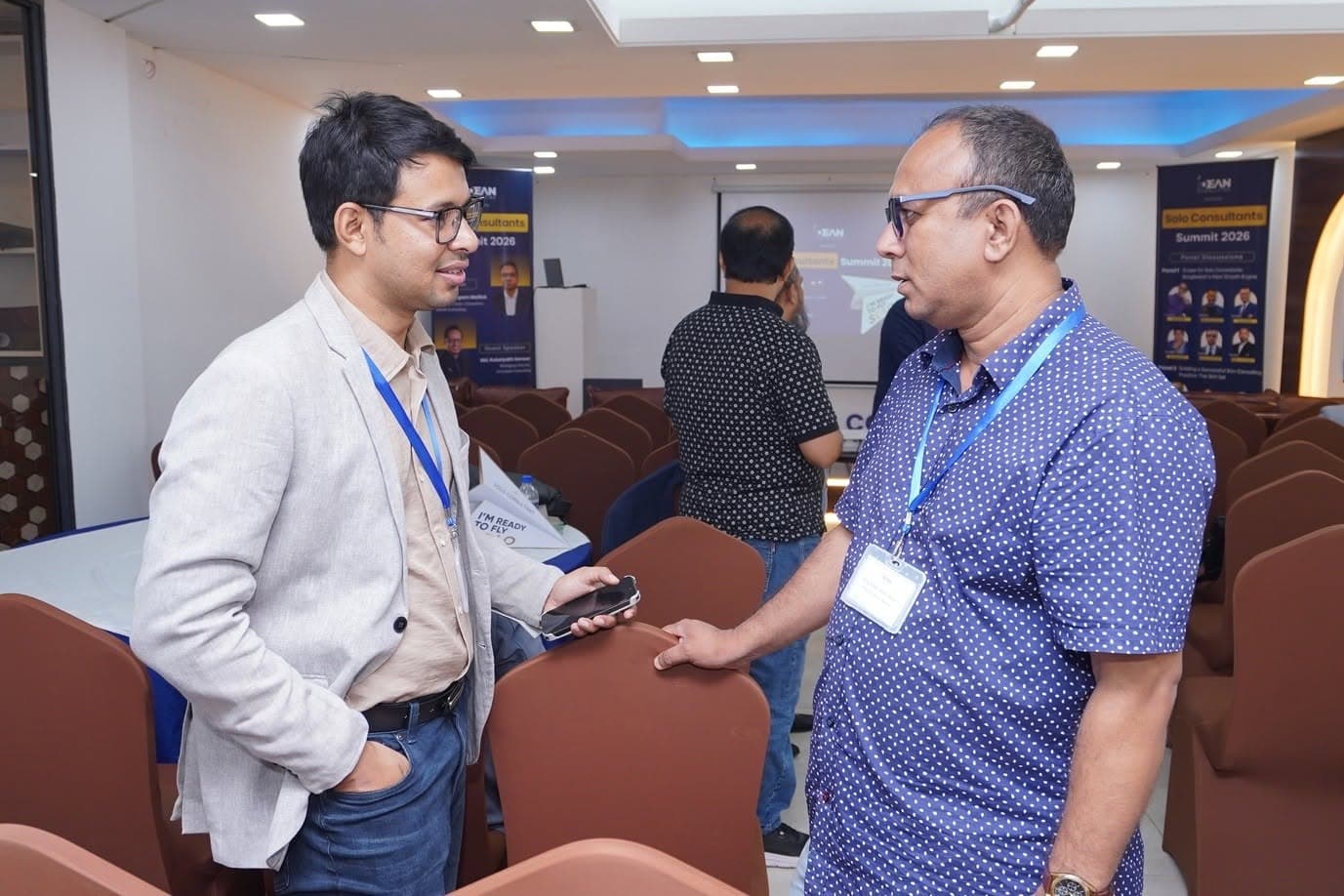
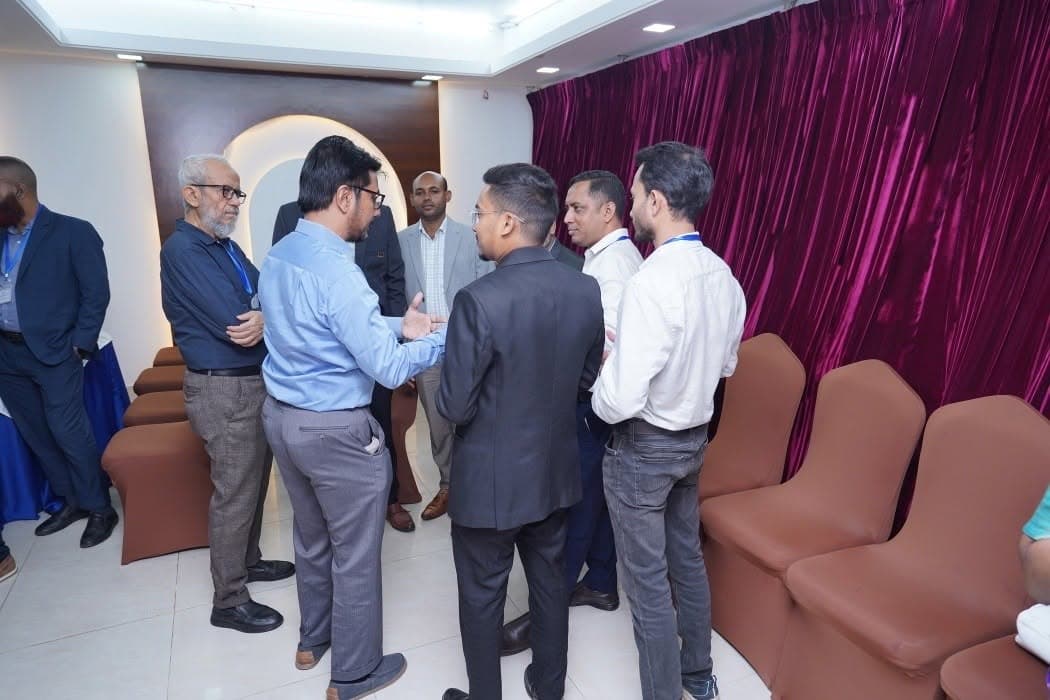
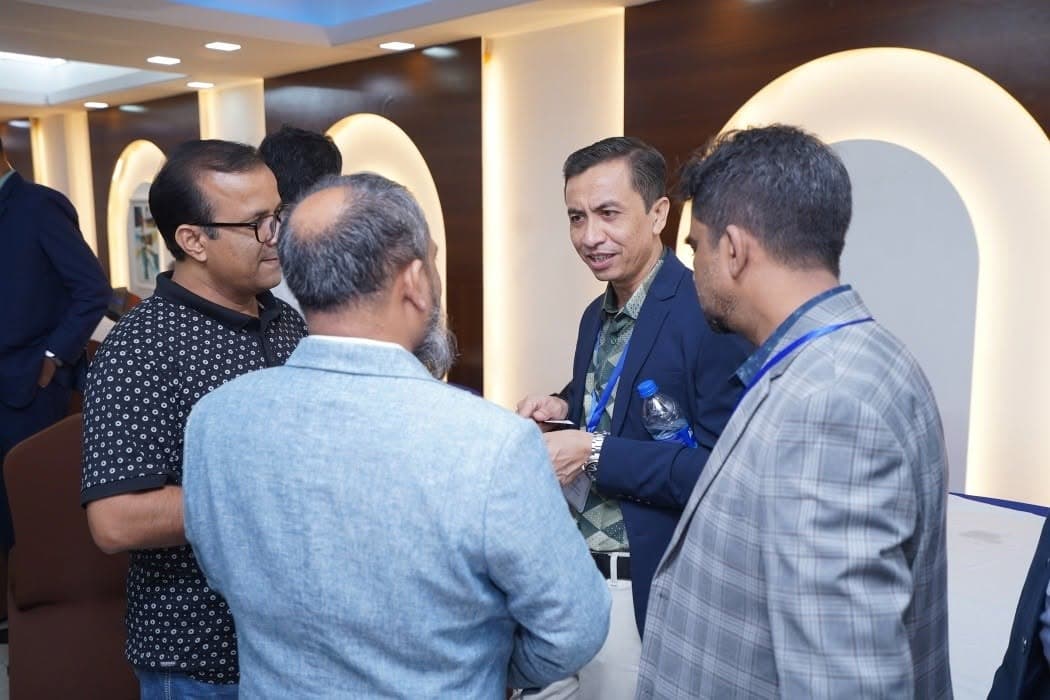
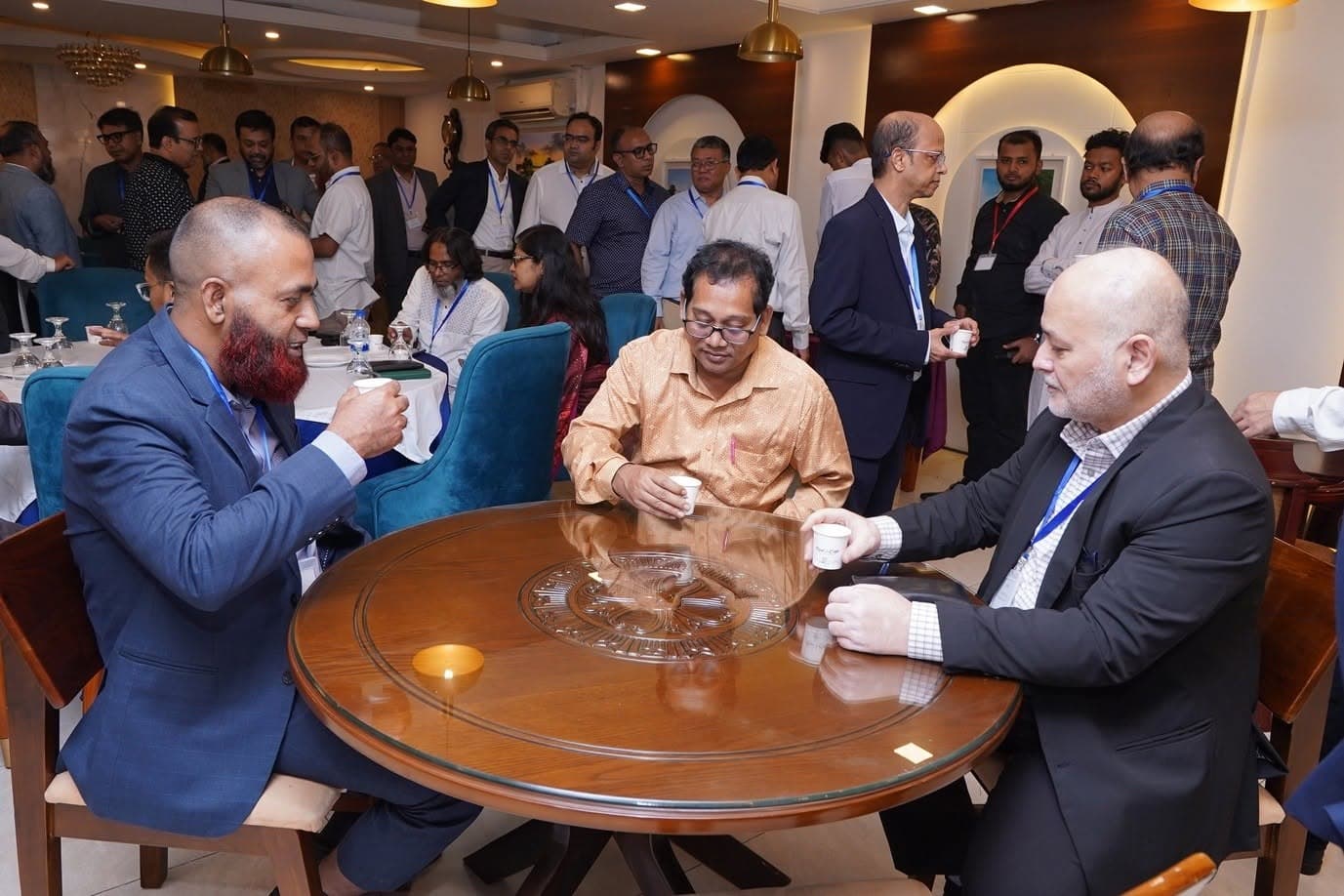
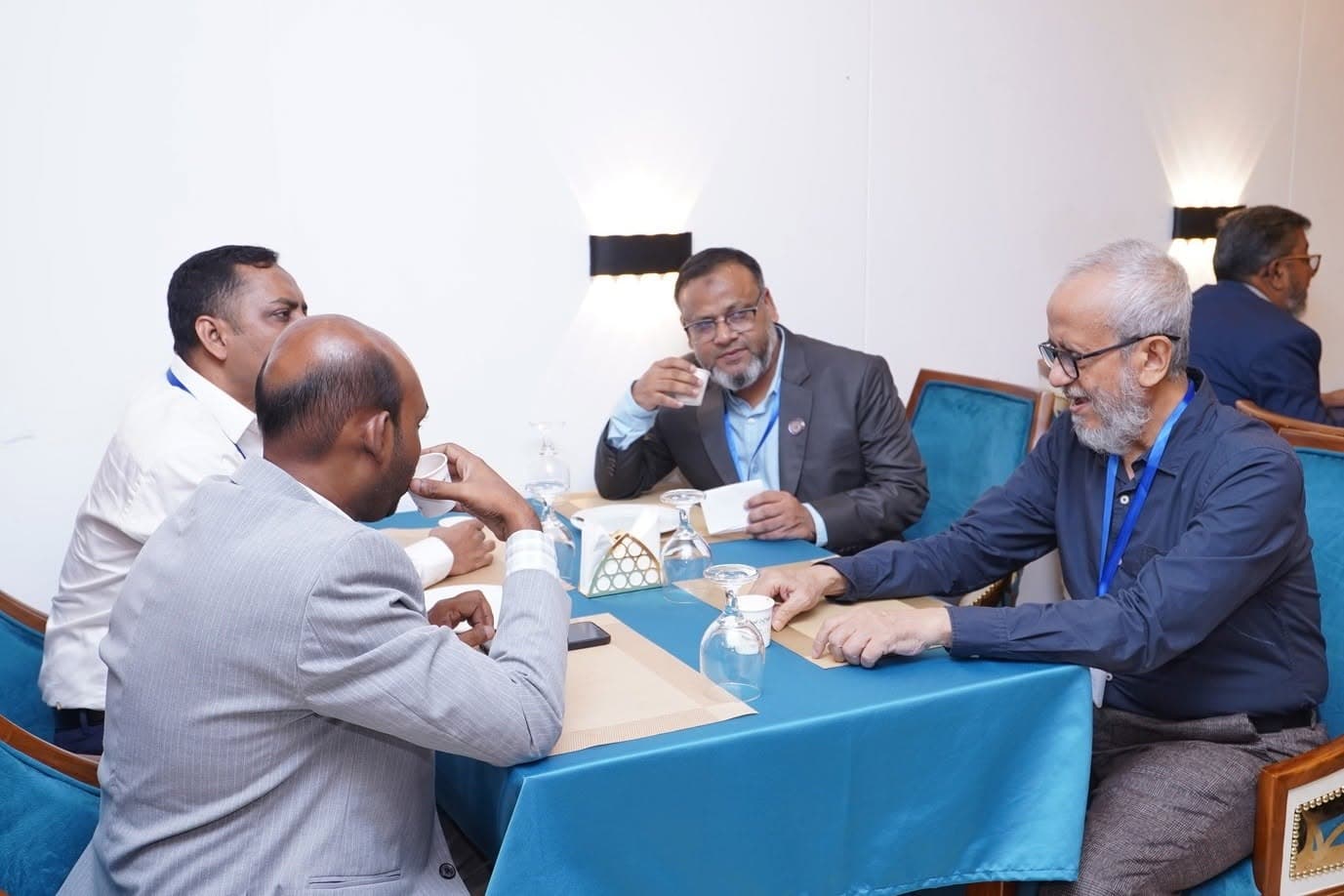
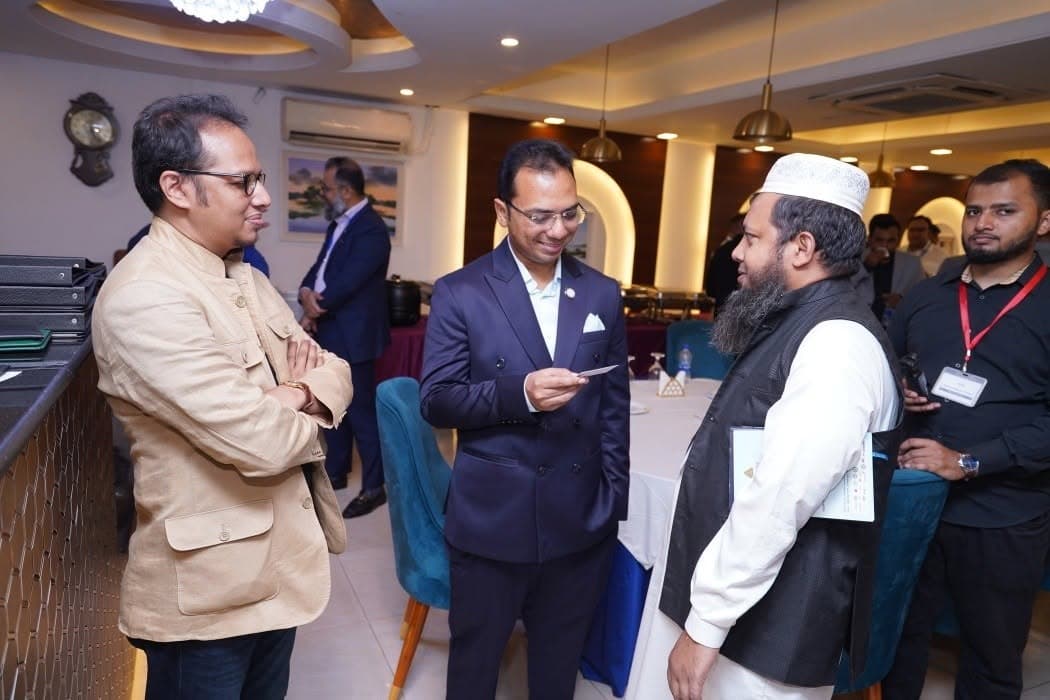
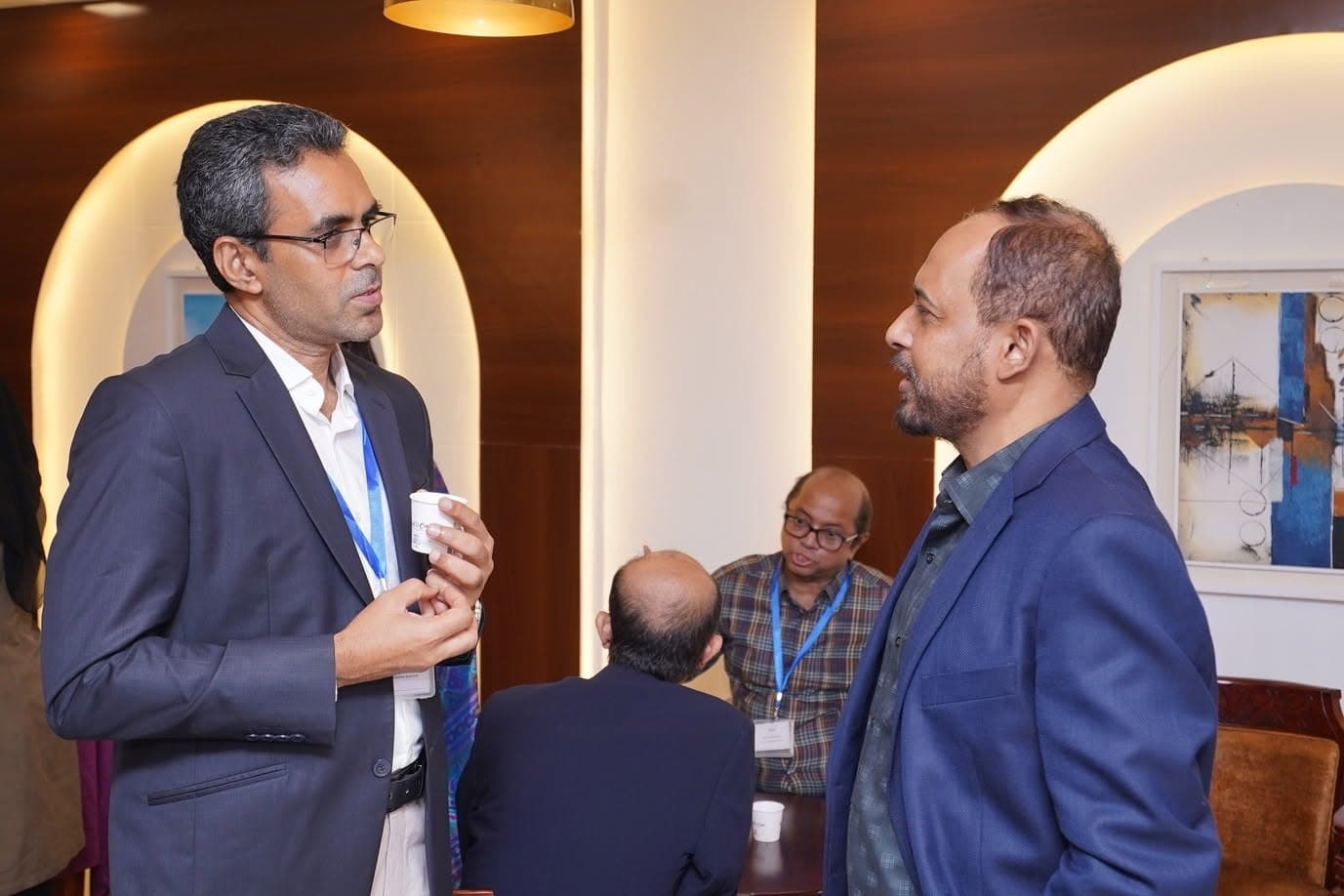
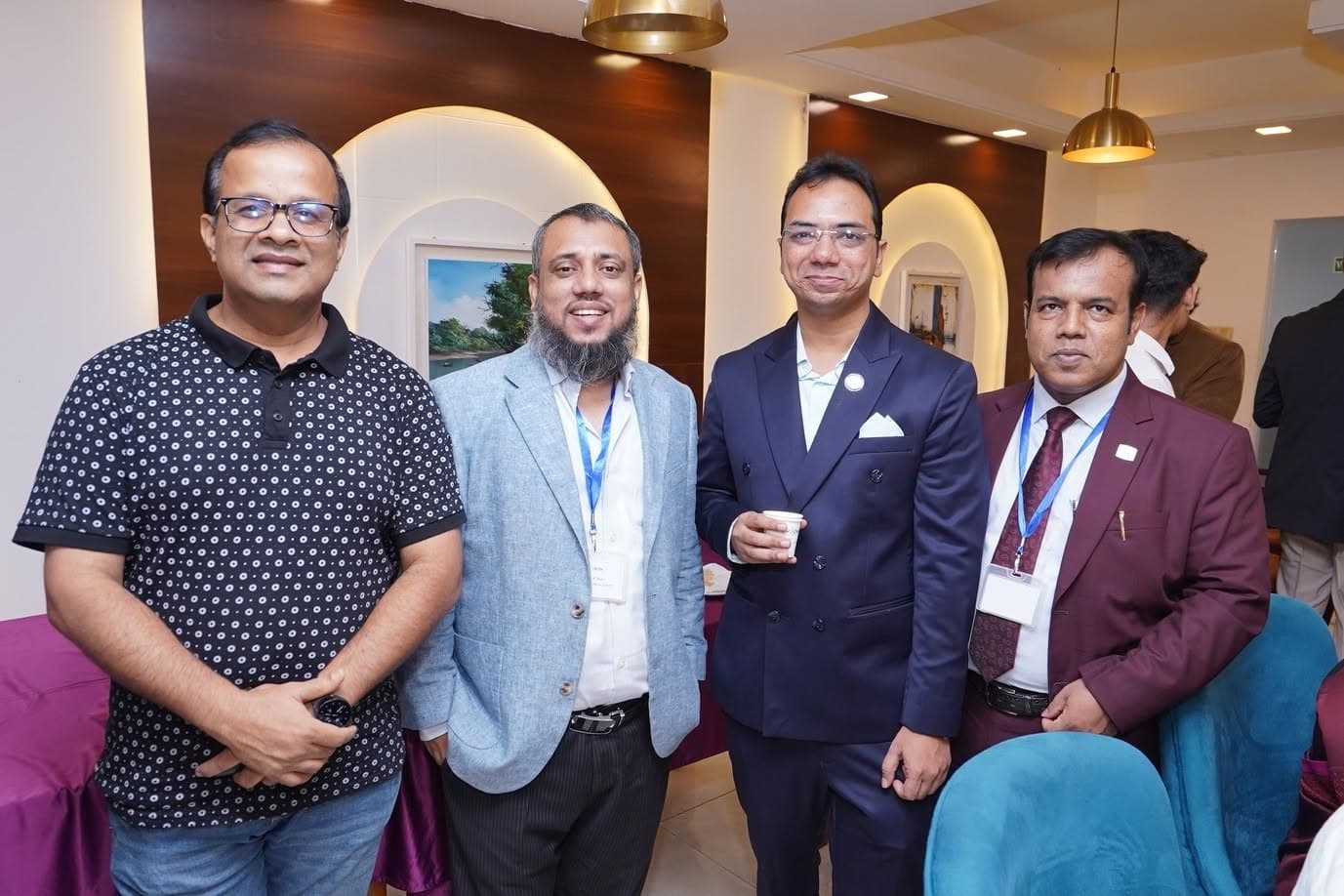
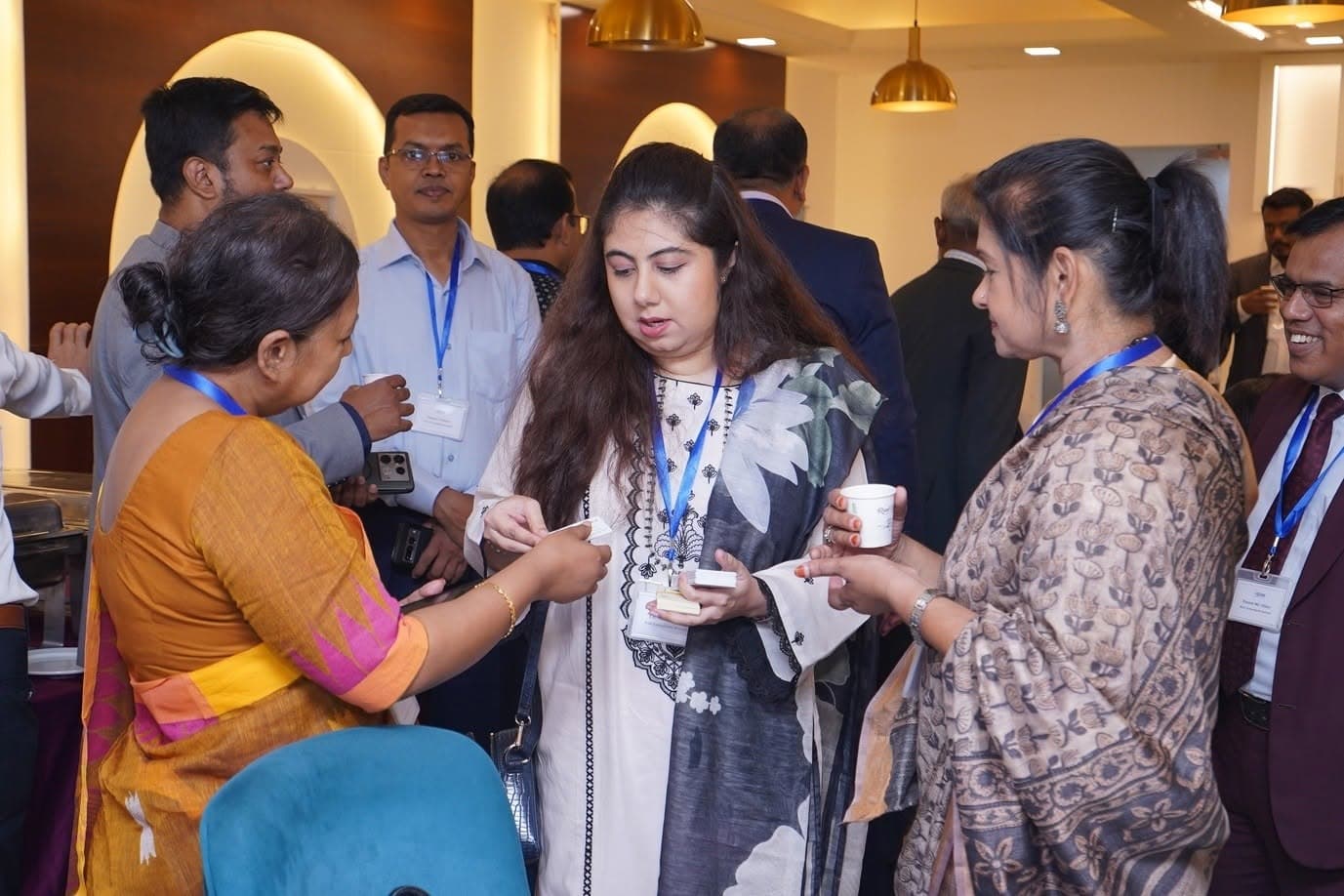
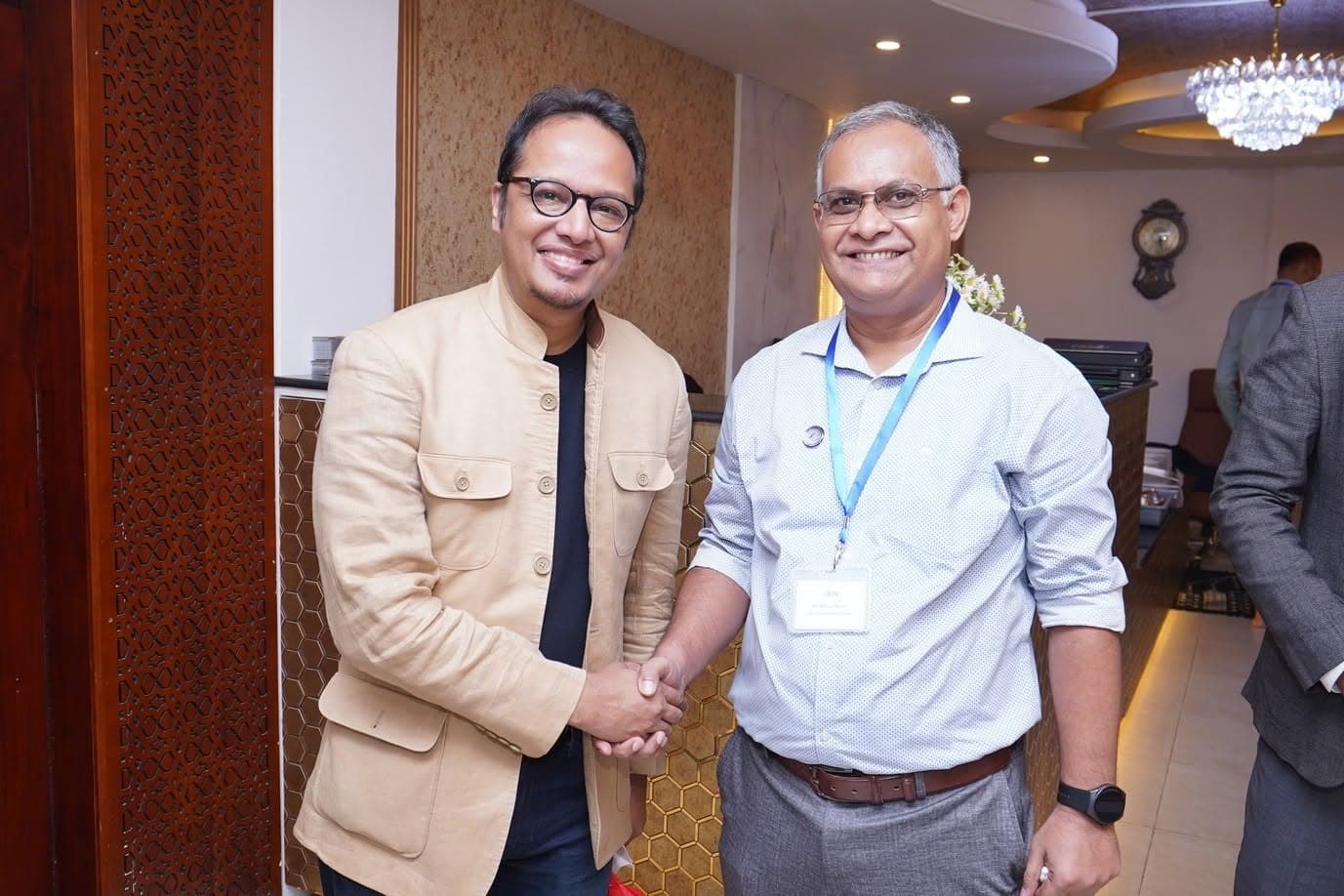
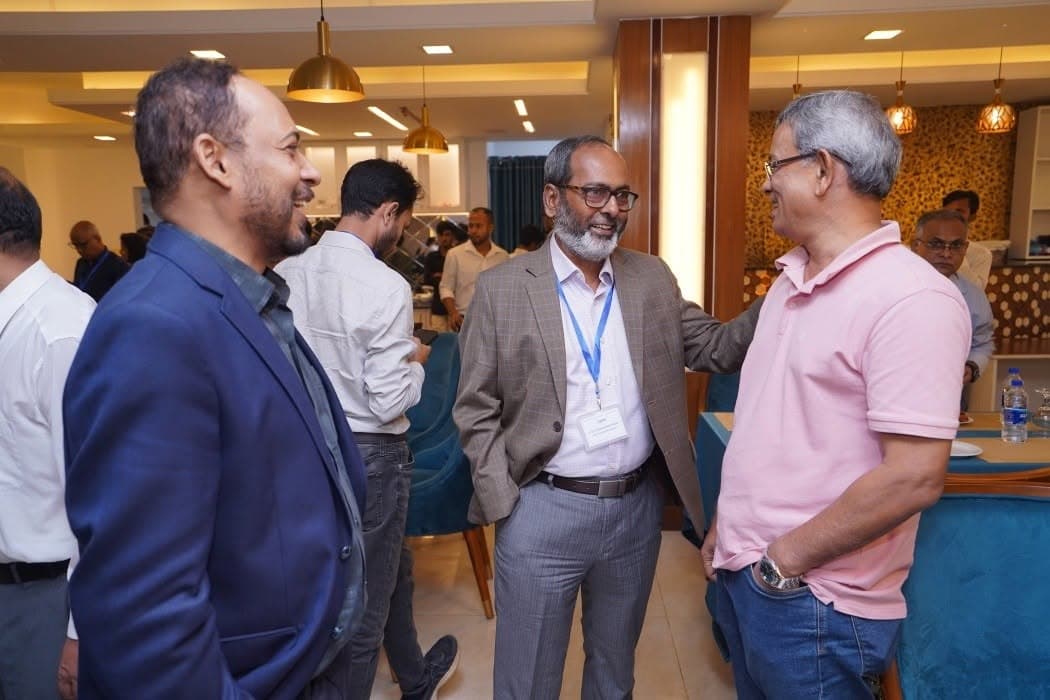
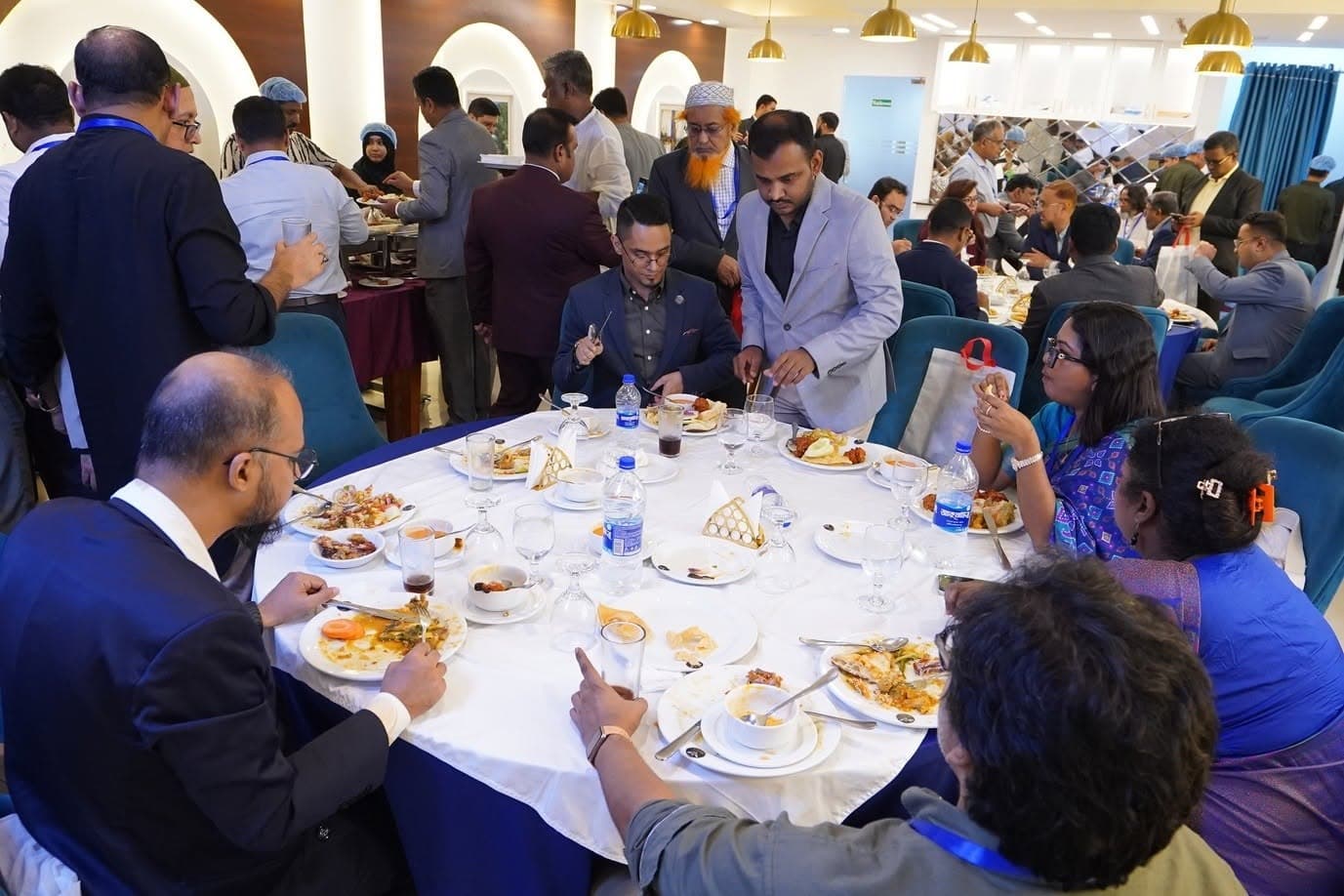
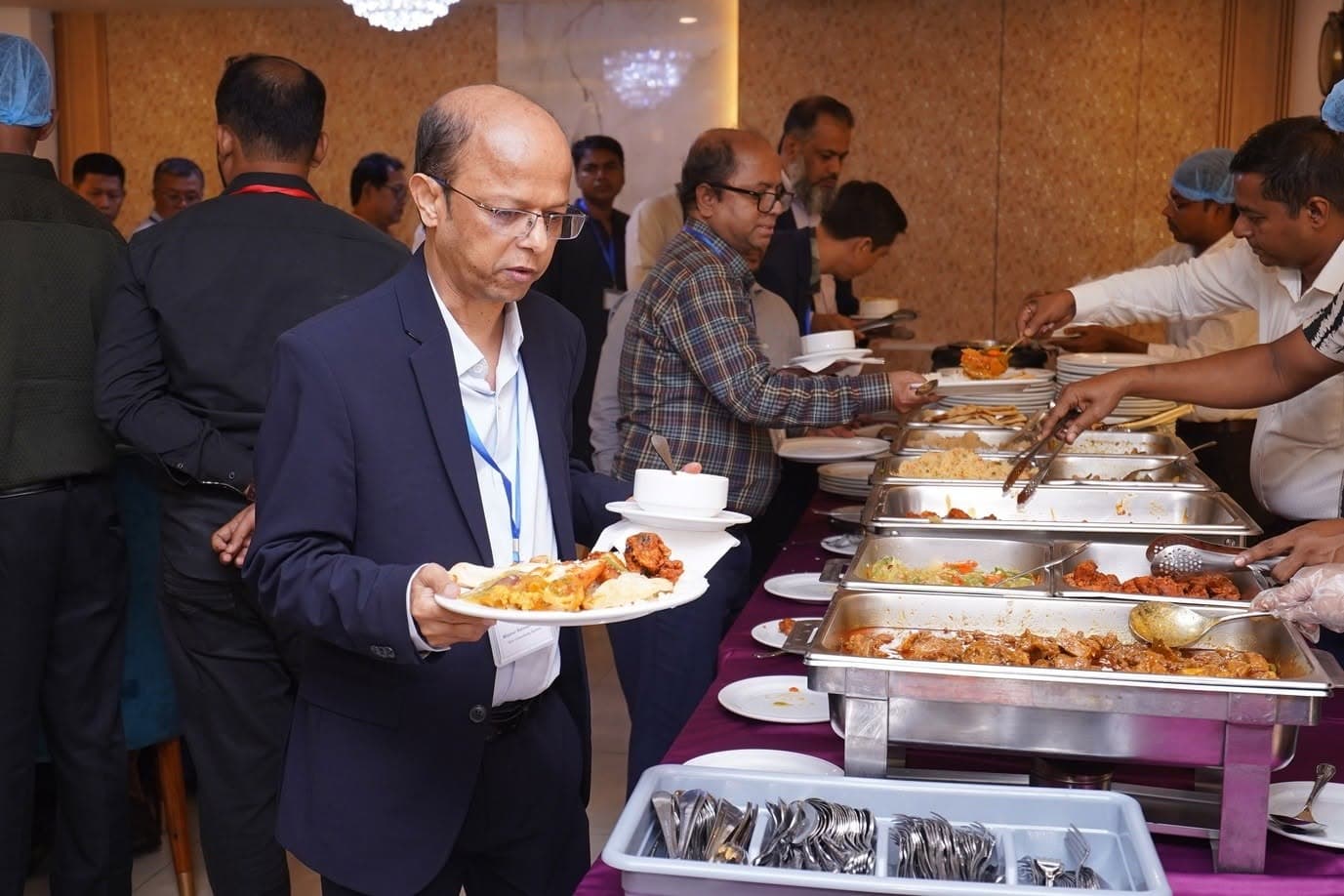
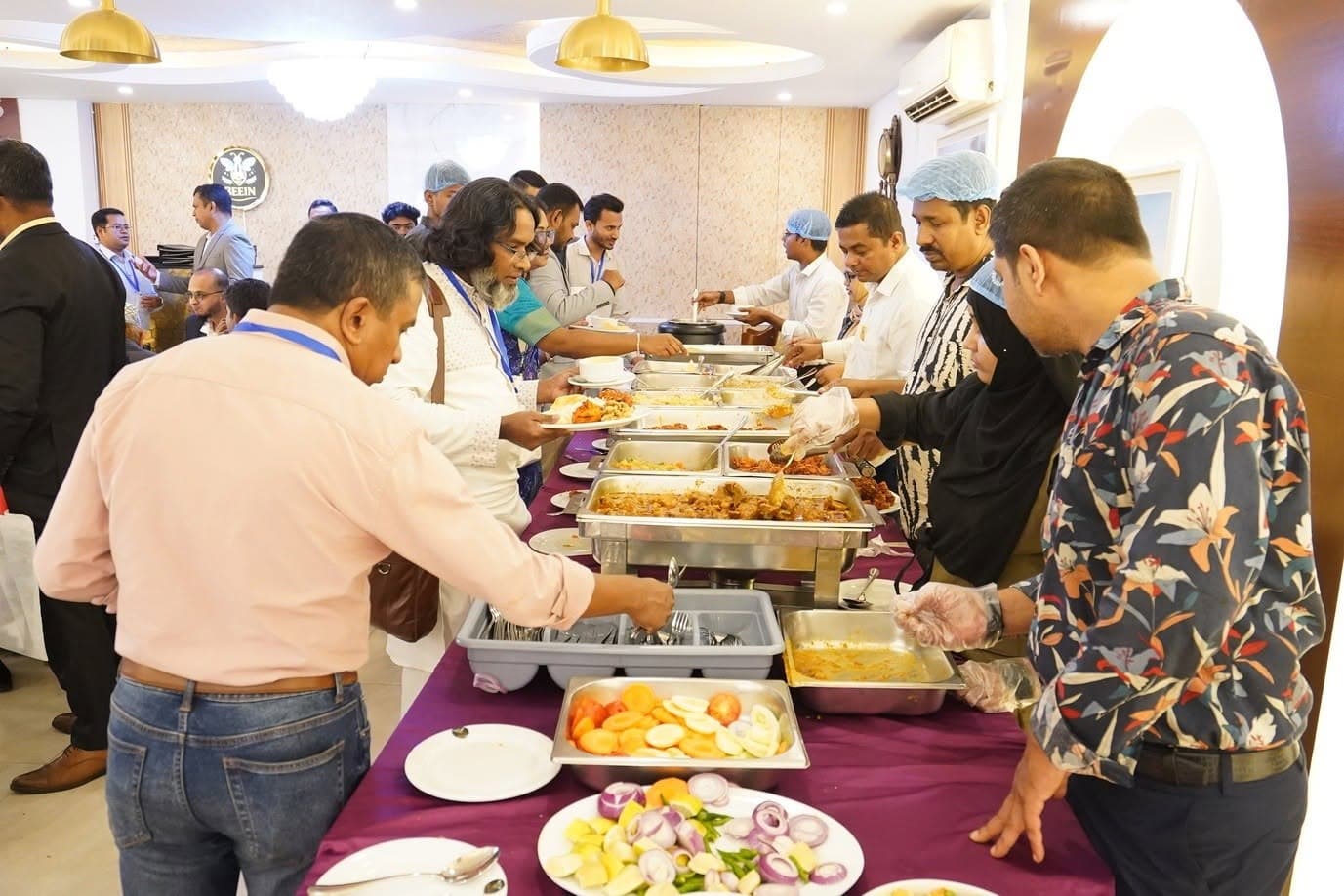
At the end of the summit, standing with a cup of coffee in hand during the networking session, I watched people discussing in small groups—who could do what in which field, whose work aligned with whom. It is from such discussions that joint projects and new clients are born. It felt like this is just the beginning. These people exchanging business cards and experiences—this is exactly how a movement is built. The journey of building a strong consulting movement in Bangladesh has begun. Solo consulting is not just a career option; it is a new horizon of knowledge, experience, and impact creation.
Photo Gallery
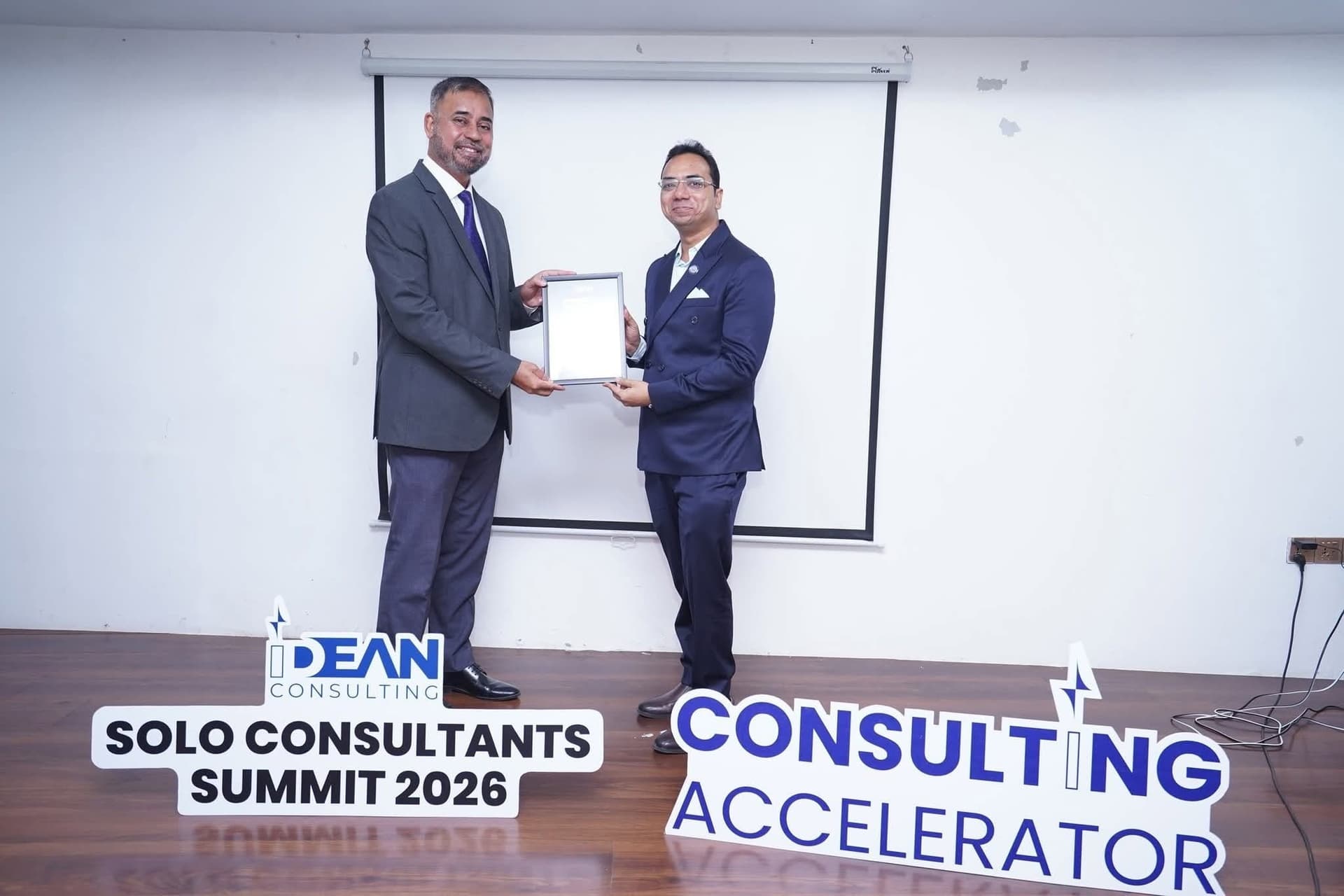
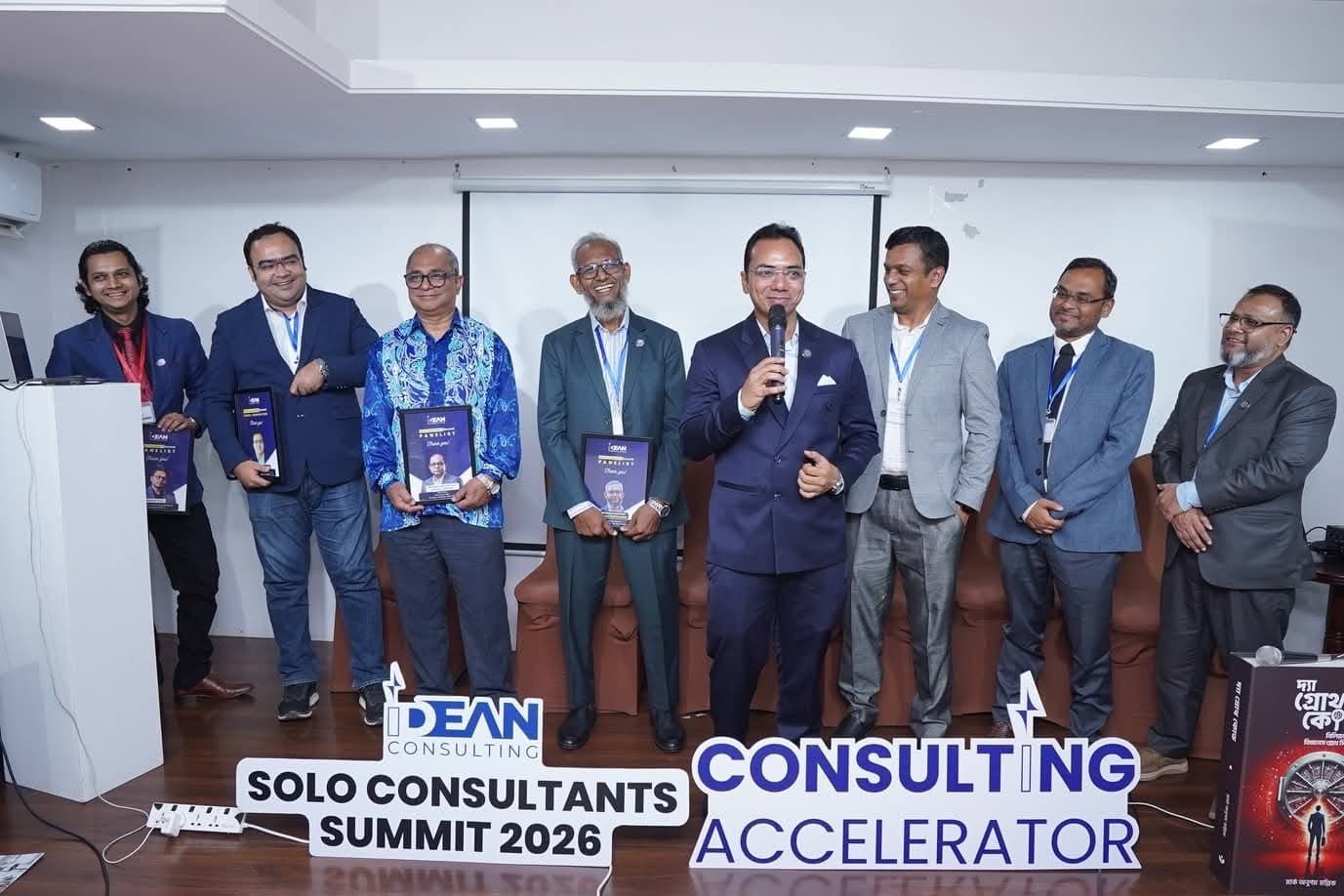
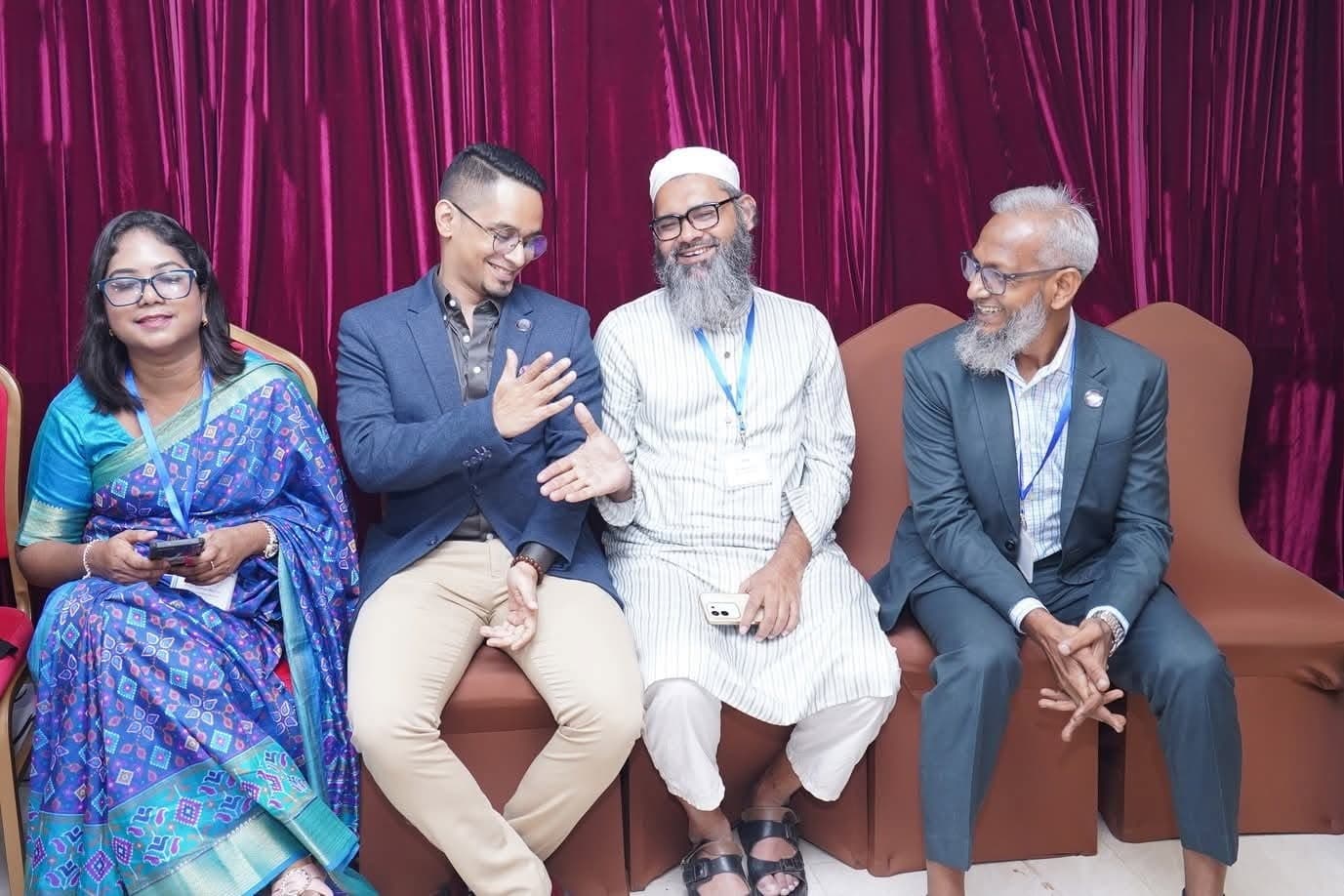
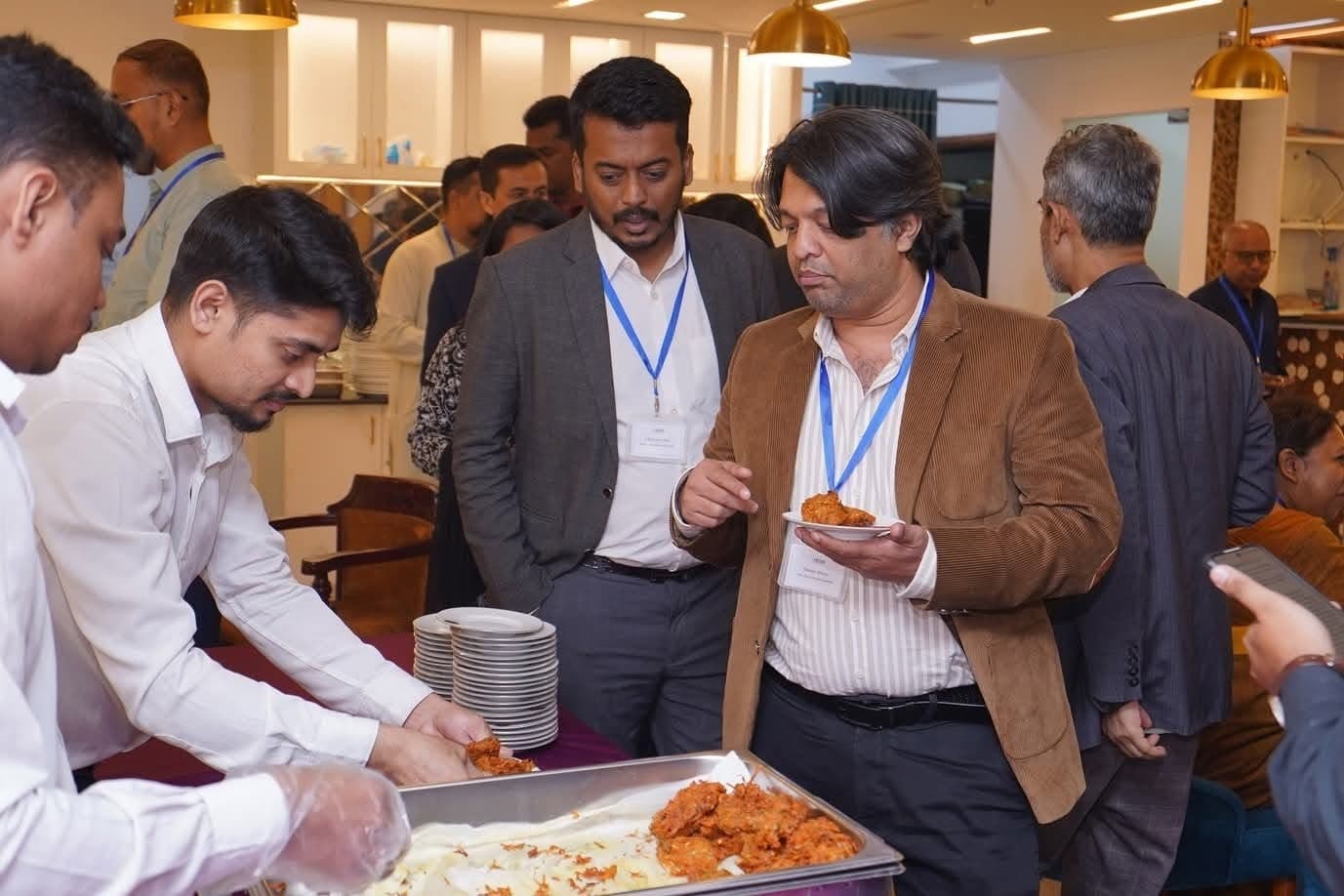
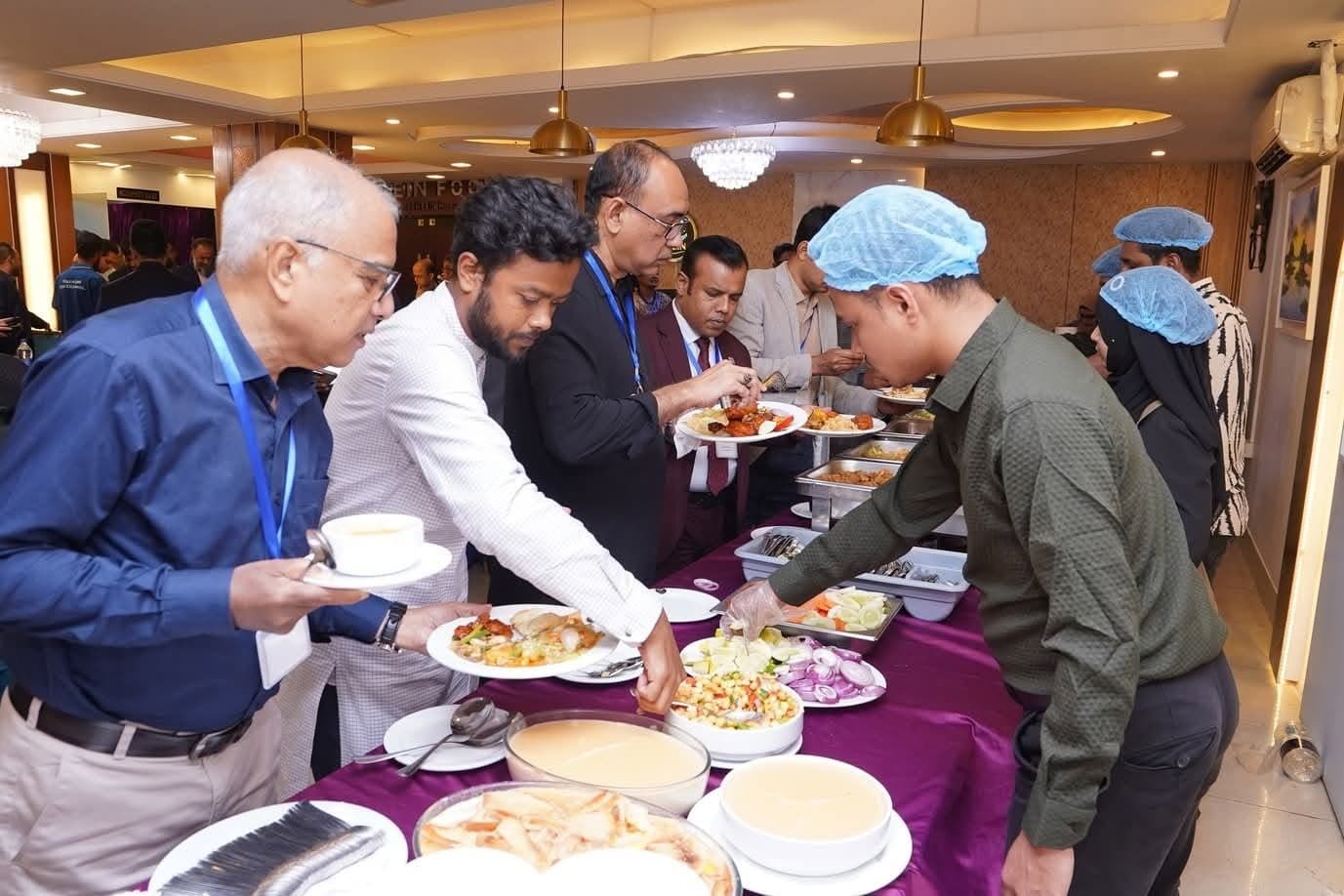
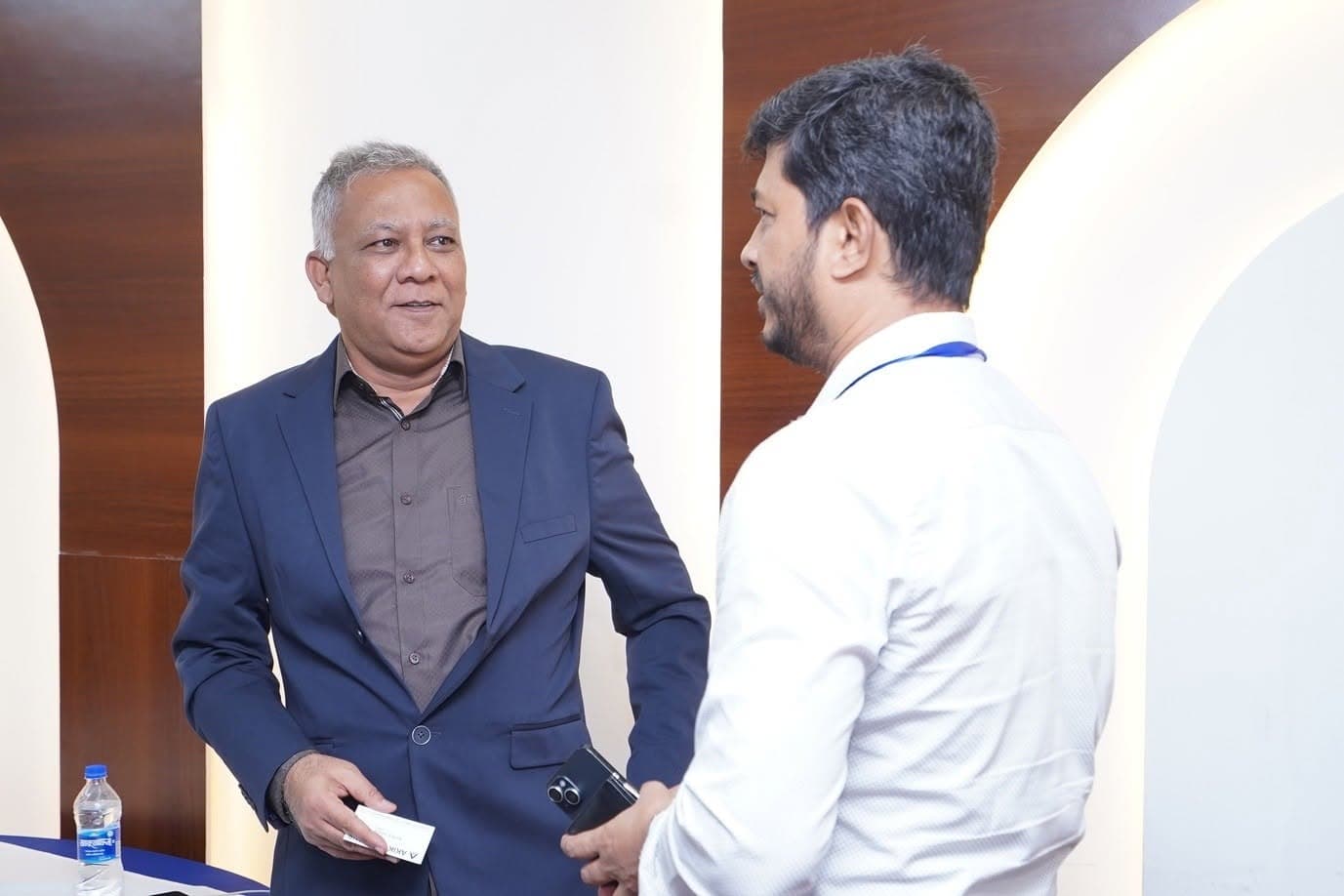
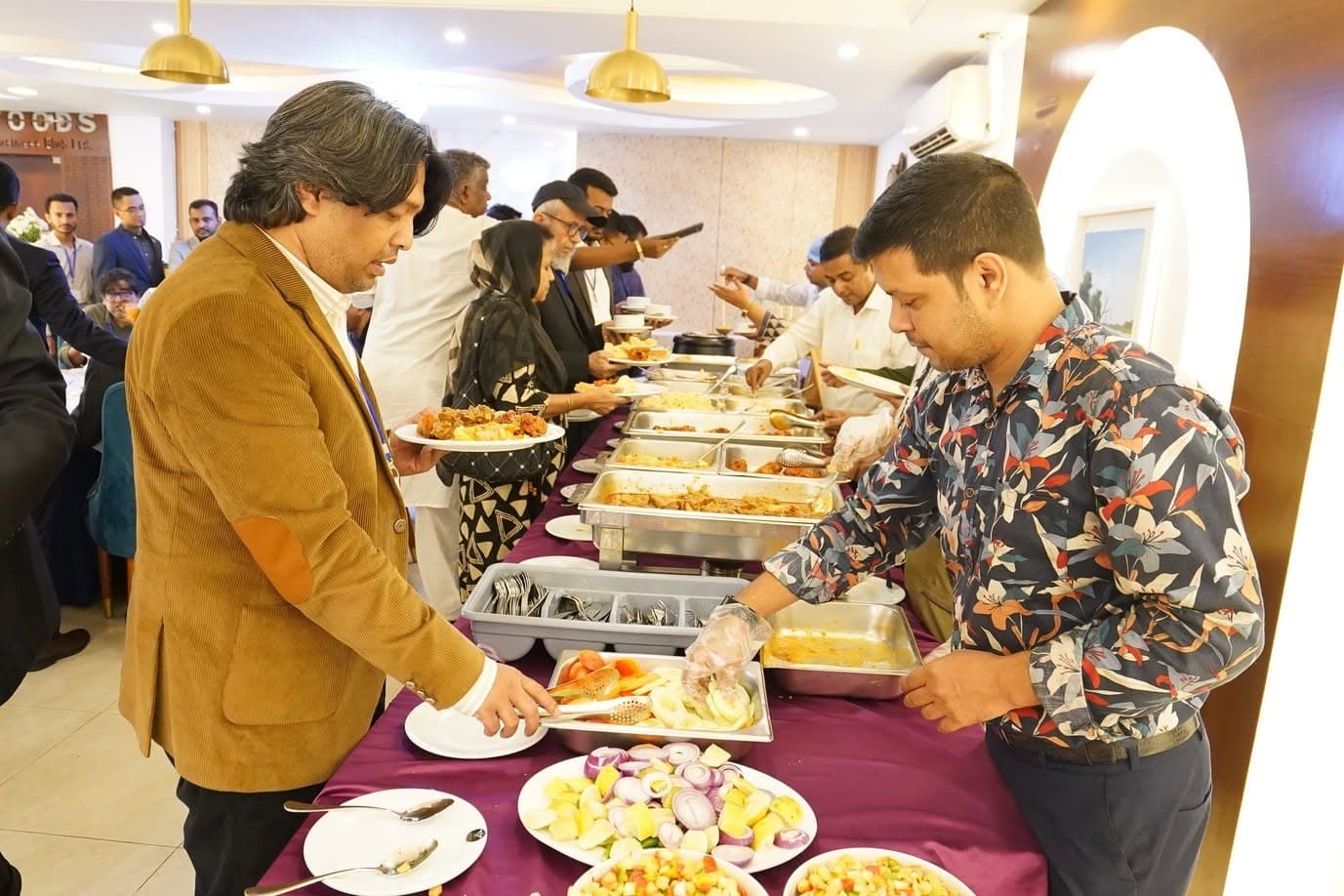
Thanks to iDEAN Consulting and Mark Anupom Mollick for building such a stage. And for those who are still wondering whether my years of experience will just lie in the office file cabinets or become a tool to change the decisions of many organizations—the stage is set. Now it is up to you to take a step forward.
Interessiert an ähnlichen Veranstaltungen?
Laden Sie Sadiq M Alam zu Ihrer nächsten Veranstaltung ein oder besprechen Sie mögliche Kooperationen.
Nehmen Sie Kontakt auf