How to Prevent Technology-Facilitated Gender-Based Violence - JNUS Event
Technology-Facilitated Gender-Based Violence, or TFGBV, means violence, abuse, harassment, coercion, or intimidation that is committed, assisted, aggravated, or amplified through digital technology because of a person's gender. That includes things like online stalking, non-consensual sharing of intimate images, cyberbullying, sexual harassment in messages, doxxing, blackmail, impersonation, deepfake abuse, hate speech, and coordinated online attacks aimed especially at women and girls. UNFPA and UN Women both frame it as part of the wider continuum of gender-based violence, not as something less serious just because it happens online.
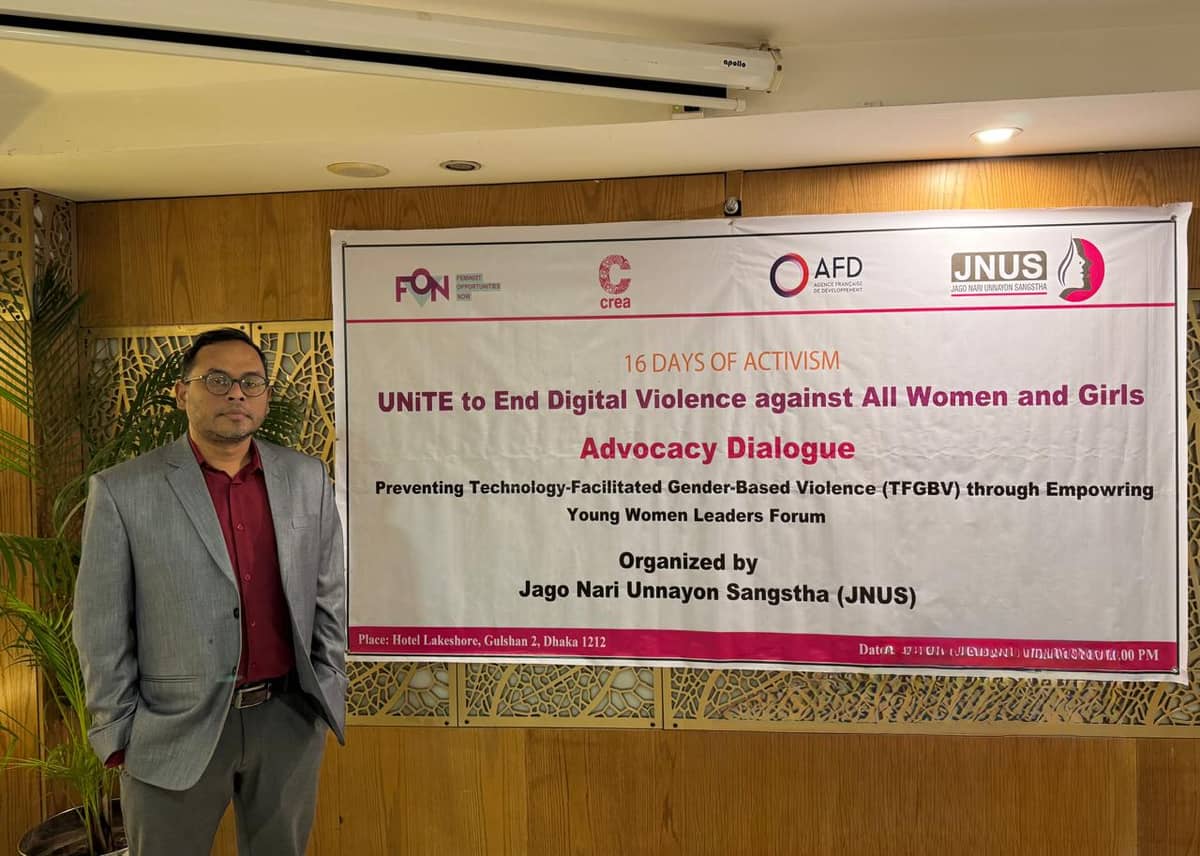
On the 8th of January 2026, I was invited to join the dialogue panel on Preventing Technology-Facilitated Gender-Based Violence (TFGBV). It was organized by JNUS, a women-led Non-Governmental organization, through the Empowering Young Women Leaders Forum (YWLF). The event was held at Hotel Lakeshore in Gulshan, Dhaka. This dialogue was organized to celebrate the 16 Days of Activism to end digital violence against all women and girls.
The program was aimed to bring together key stakeholders, including young women leaders, media professionals, civil society representatives, and relevant actors, to foster meaningful exchange, strengthen collaboration, and promote ethical, survivor-centered, and gender-responsive approaches to preventing TFGBV.
I focused mostly on the technology aspect of TFGBV, and as someone who has worked in the technology field for more than 20 years.
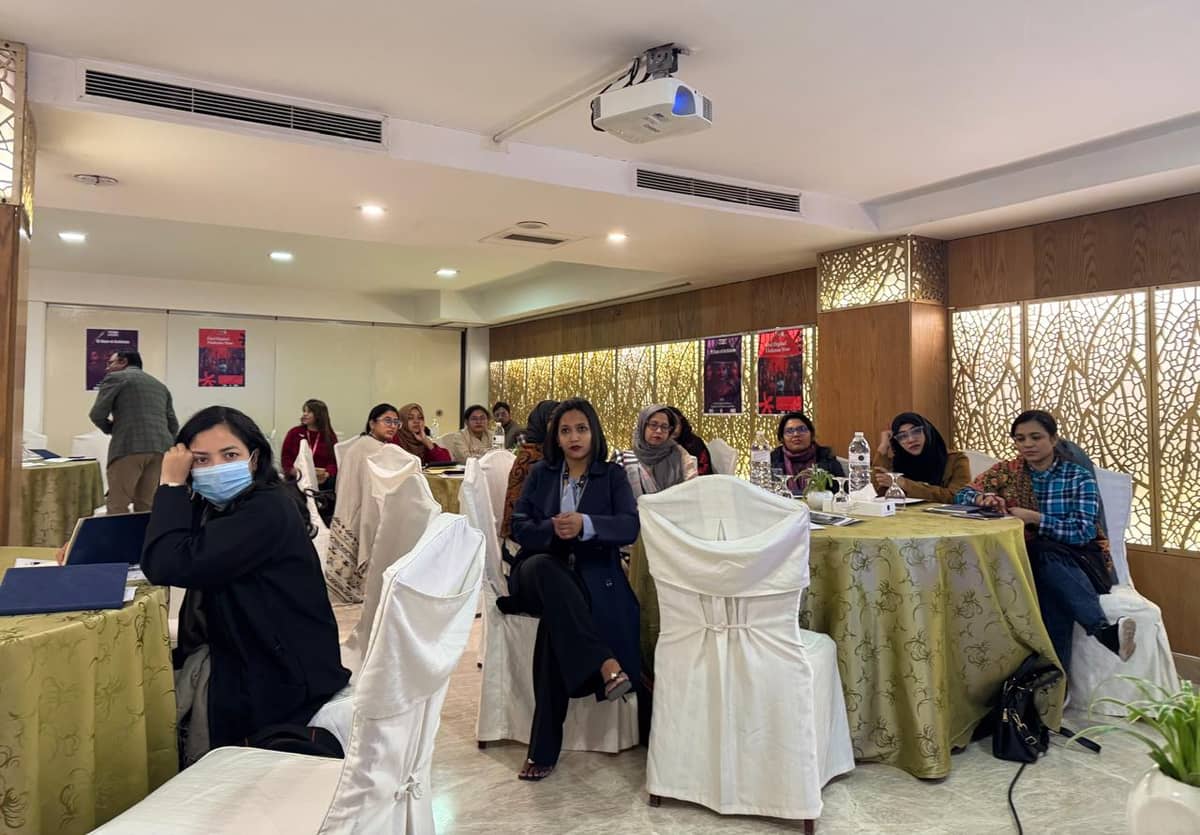
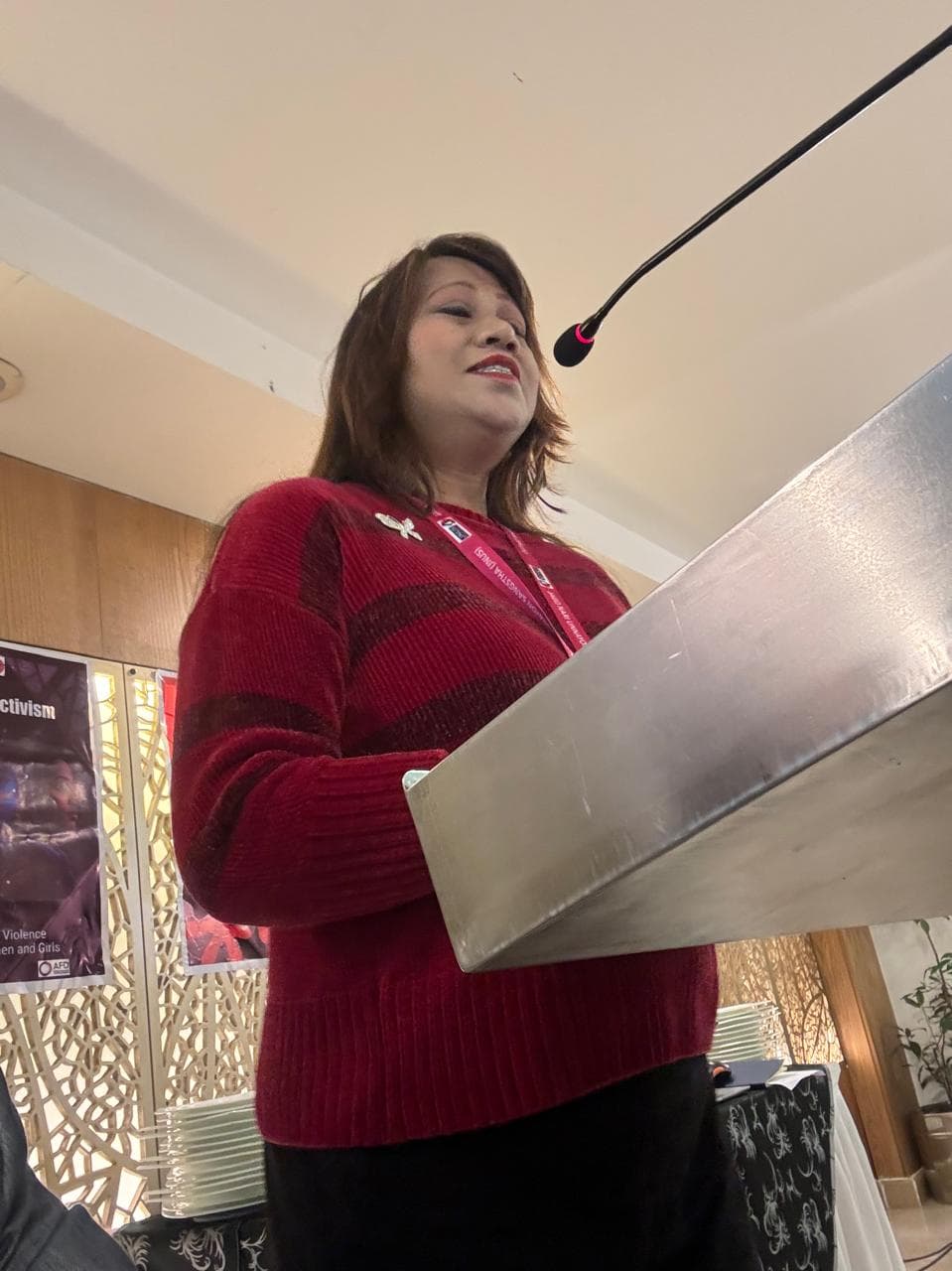
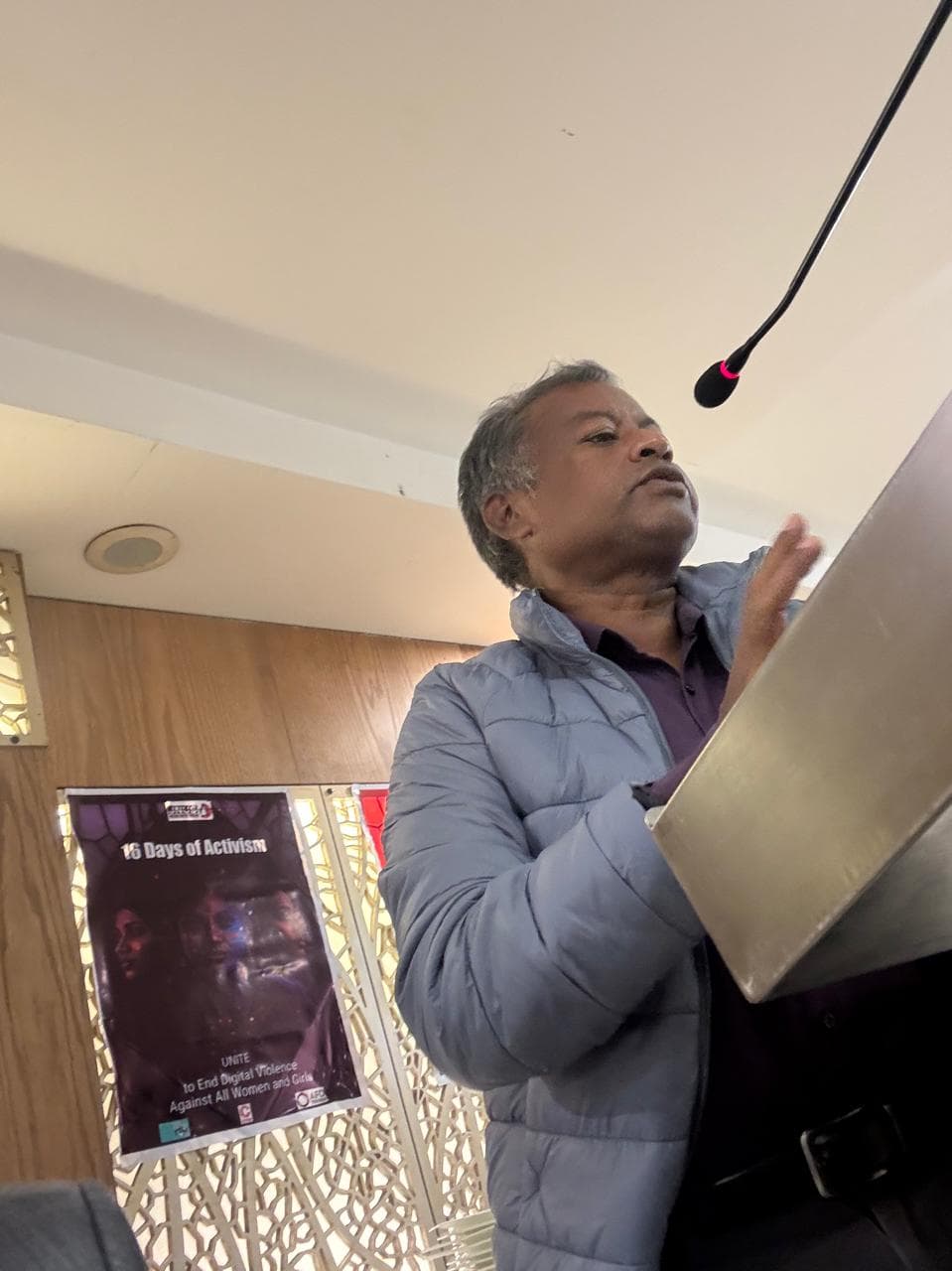
In my sharing, I reminded that TFGBV is not just a digital problem. It often causes real-world psychological, social, economic, educational, and even physical harm. Survivors may withdraw from education, work, politics, journalism, activism, or public speech. In many cases, online abuse is linked with offline control, threats, and partner violence. UNESCO and UN Women both note that digital violence can silence women's participation and reinforce existing inequalities.
For countries like Bangladesh TFGBV matters even more because these societies combine three powerful risk factors: rapid internet and smartphone adoption, deep-rooted patriarchal norms, and uneven legal and institutional protection. As more women and girls come online for education, work, entrepreneurship, and civic expression, they also face higher exposure to harassment, surveillance, shaming, and sexualized abuse. In South Asia, gender inequality already affects mobility, voice, and autonomy, so digital abuse often becomes an extension of existing control over women's lives. UNICEF's South Asia materials and broader regional gender analyses point to these structural disadvantages for girls and women.
This is especially serious in South Asia because reputation, cultural stigma, marriage prospects, and community pressure can make digital abuse devastating. A leaked photo, fake account, edited video, or rumor can damage a woman's safety and social standing very quickly. In contexts where victims are often blamed, TFGBV can push women and girls offline entirely. That means fewer women speaking publicly, fewer girls participating freely online, and less access to the benefits of the digital economy. UNFPA's Asia-focused work describes TFGBV as a growing regional crisis and highlights how digital abuse in Asia has become weaponized against women and girls.
In Bangladesh, the issue is now being recognized more explicitly in national evidence. UNFPA Bangladesh's 2024 Violence Against Women Survey notes the growing impact of technology-facilitated violence, including online harassment and abuse, and reports that the latest survey expanded its scope to capture survivors of technology-facilitated violence for the first time. That is important because it shows TFGBV is no longer a marginal topic; it is becoming a measurable public policy issue.
Why this matters strategically for Bangladesh is simple: you cannot build inclusive digital economies while half the population feels unsafe online. TFGBV undermines women's labor-force participation, digital entrepreneurship, political voice, media freedom, student well-being, and trust in technology. It is therefore not just a women's rights issue, but also a development, governance, democracy, education, and economic productivity issue.
During the discussion, it was pointed out that our government needs greater collaboration with the social media platforms, cultural nuances need to be communicated, and our law enforcement agencies (i.e. Police) also need to be more sensitive and aware about TFGBV, and when such incidents are reported, they need to take an active role in mitigating them.
TFGBV is where gender inequality meets digital power. If in Bangladesh we want a safe digital transformation, we need stronger laws, better reporting systems, social media and similar platform accountability, digital literacy, survivor support, school-college-based awareness, and police/judicial capacity to respond effectively.
Interessiert an ähnlichen Veranstaltungen?
Laden Sie Sadiq M Alam zu Ihrer nächsten Veranstaltung ein oder besprechen Sie mögliche Kooperationen.
Nehmen Sie Kontakt auf