Published Works
Authoring & Publications
Exploring spirituality, wisdom, and the human experience through the written word.
Best Seller
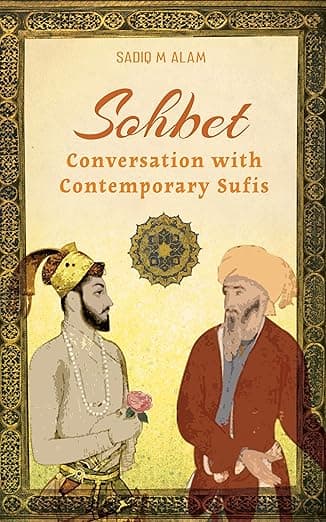
Sohbet: Conversation with Contemporary Sufis
What role Sufism and Islam play among contemporary spiritual seekers? What are the circumstances that led them to come to Sufism? What teachings of the Sufi Path are the most attractive to a seeker of truth? How does surrender to the Spiritual Teacher, a core component of Sufi teaching applies to Western disciples who are more oriented towards reasons and intellect?
The book explores these and many other questions with fifteen contemporary Sufis. The featured spiritual seekers the majority of whom are from West are engaged in conversations uncovering their unique spiritual journey, their attraction to the Sufi Path and how they met their Spiritual Mentors and Teachers. Through these conversations, invaluable life lessons and timeless wisdom is distilled for those who are interested in spiritual life.
In Sufi Path Sohbet signifies spiritual conversation or discourse between the master and disciple, or between seekers of God through association, conversation, or simply by the presence.

Poetry Collection
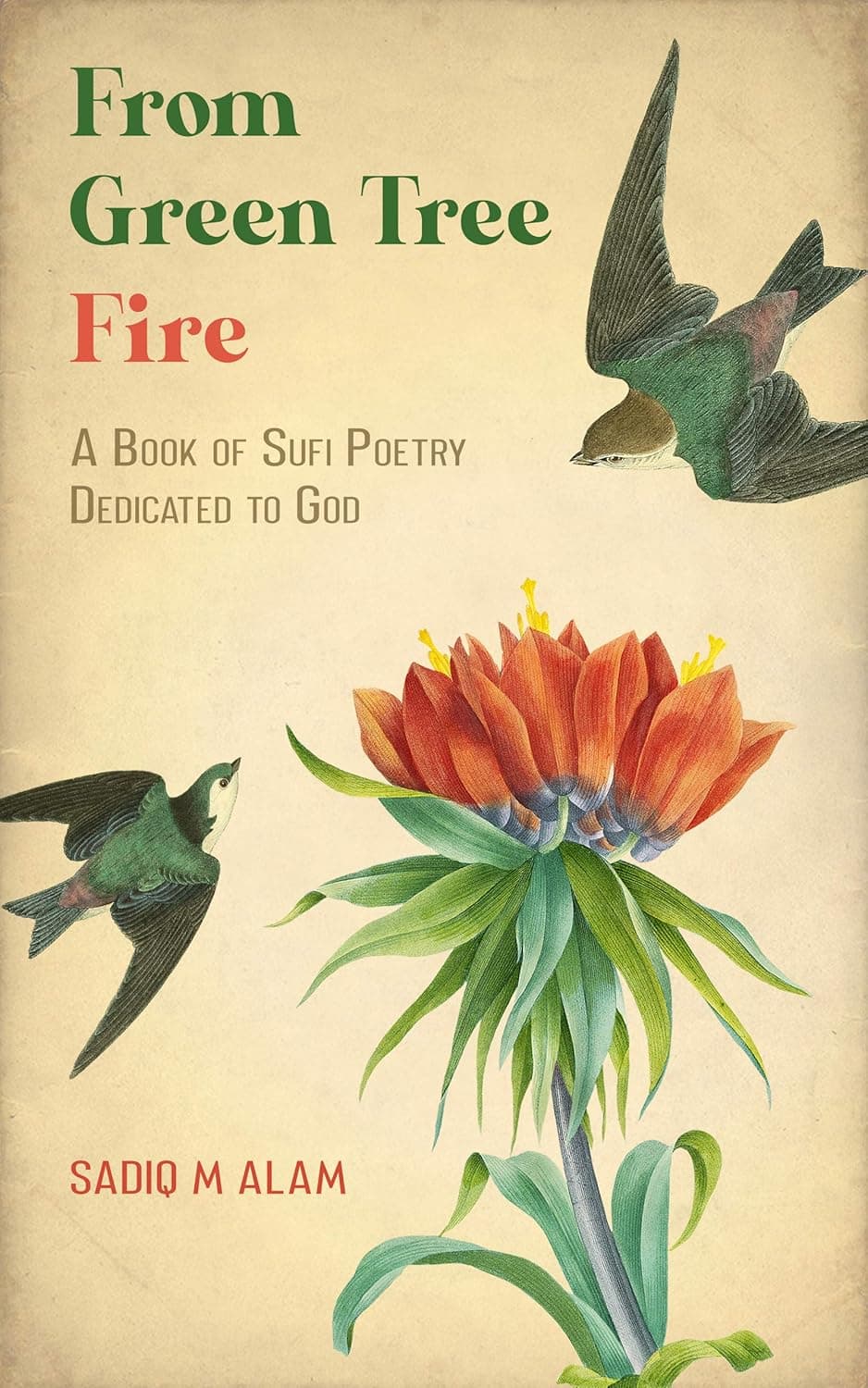
From Green Tree Fire: Sufi Poems dedicated to God
Historically, the Sufi Path inspired great poetry and songs dedicated to God. The most subject matter of Sufi poetry and songs revolves around God as the Divine Beloved who is Intimately Immanent. In this collection of poetry by Sadiq M Alam, all reference of beloved, whether with a capital B or not, refers to God the Most Beloved, the Creator Lord, the Most High. In essence the poems in this book are love poems of, to and for God.
This poetry draws inspirations from the Author's study and learning.
"I love your blogsite, which I've added to my Islam/Sufi category on my blog. It's always a very beautiful evocation and dhikr in itself!"
— Daniel Abdal-Hayy Moore (1940 - 2016), U.S. poet, sufi, essayist and librettist
Quranic Foundation
Imaan: The Foundation of Universal Peace
**What does it truly mean to have Faith?** In common discourse, Imaan is often reduced to a set of static dogmas or inherited rituals. In this transformative work, the concept of Imaan is reclaimed from traditional stagnation and presented as a dynamic, life-altering commitment to truth and security.
Drawing directly from the linguistic roots of the Quranic text, the book explores Imaan not just as "belief," but as a state of being—finding inner peace (amn) and providing safety to others. It challenges the reader to move beyond blind imitation (Taqlid) toward a rational, evidence-based conviction. By examining the relationship between the Creator, the human intellect, and the universe, this book outlines a roadmap for building a character rooted in integrity and a society grounded in justice.
Whether you are a lifelong student of Islam or a seeker looking for a rational approach to spirituality, Imaan offers a clear, structured, and deeply intellectual guide to the most vital concept in human existence.

Social System
Salaat: A Paradigm Shift from Ritual to System
**Is Salaat merely a set of physical postures, or is it the blueprint for a functioning society?** For centuries, the essence of Salaat has been largely confined to the mosque and the prayer mat. This profound study challenges that reductionist view, inviting readers to rediscover Salaat as a comprehensive system of "following" and "establishing" Divine Law in every aspect of life.
By meticulously analyzing the root meaning of S-L-W (to follow closely, like a runner following a leader), this book demonstrates that Salaat is the mechanism through which a community aligns its collective will with the permanent values of the Quran. It bridges the gap between individual spiritual devotion and social responsibility, transforming the concept of "prayer" into a dynamic program for social justice, discipline, and human development.

Economic Justice
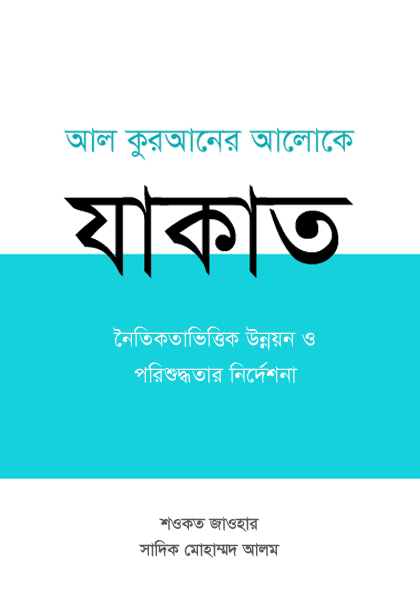
Zakat: The Engine of Social Evolution and Economic Justice
**Is Zakat just a 2.5% tax, or is it the foundation of a poverty-free society?** In most modern contexts, Zakat is treated as a personal act of seasonal charity. However, this book returns to the Quranic roots of the term Z-K-W—meaning "to grow," "to flourish," and "to purify"—to reveal a dynamic economic system designed to eliminate human suffering and social stagnation.
This study deconstructs the traditional "beggar-and-giver" dynamic, replacing it with a model of Social Evolution. It argues that Zakat is the mechanism through which a society purifies its wealth by ensuring it circulates to provide "nourishment" for the marginalized. By moving from a ritualistic calculation to a systemic application, the book illustrates how Zakat acts as a catalyst for human development, providing the necessary resources for every individual to reach their full potential.

Self Governance
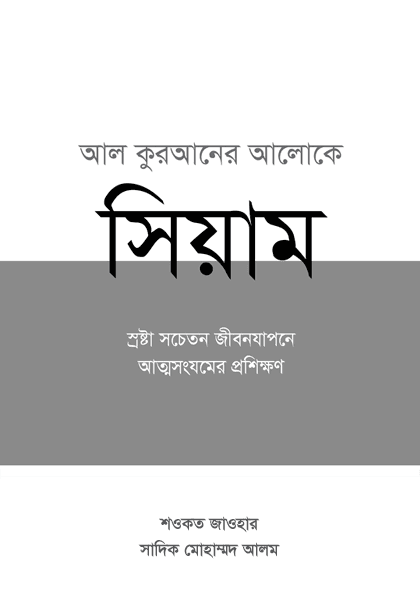
Siyam: The Discipline of Self-Mastery and Social Consciousness
**Is Siyam merely a ritual of hunger, or is it a program for human empowerment?** Every year, millions fast from dawn to sunset, yet the transformative power of this practice is often lost in tradition. This book invites you to look past the surface and rediscover Siyam as the Quranic "Training Ground" for the human psyche.
By delving into the root meaning of S-Y-M—which signifies "to abstain" or "to come to a standstill"—the author presents fasting as a rigorous exercise in Self-Governance. It is not just about denying the body; it is about empowering the mind to override physical impulses in favor of higher ethical principles. This study illustrates how Siyam serves as a reset for the individual and a catalyst for social empathy, breaking the chains of habit and consumerism.

Global Unity
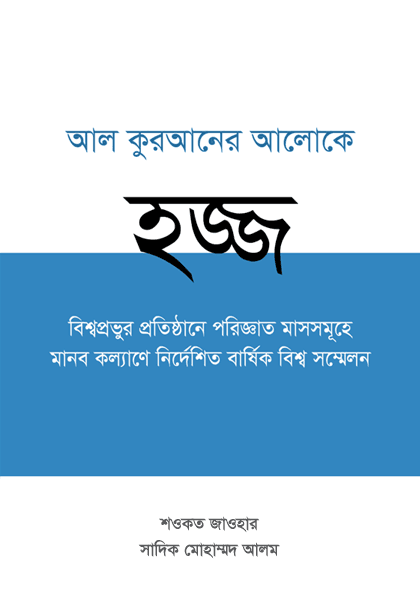
Hajj: The Global Convention for Universal Welfare
**Is Hajj merely a historical reenactment, or is it the ultimate summit for human unity?** Every year, millions gather in the valley of Bakkah, yet the profound socio-political and economic potential of this gathering often remains untapped. This book strips away the layers of tradition to reveal the Quranic "Objective" of Hajj: a grand, international convention designed to address the challenges of the human race.
By exploring the root meaning of H-J-J—to "overcome with argument" or "set out for a definite purpose"—the author presents Hajj as the Global Headquarters of Peace. It is the venue where the "Standard of Humanity" is set, where barriers of race, class, and nationality are dissolved, and where the collective wisdom of the Ummah is harnessed to benefit all of mankind.

Legacy & Equity
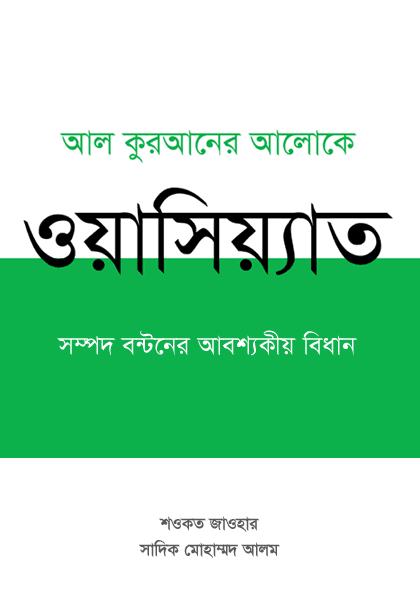
Wasiyat: The Quranic Mandate for Equity and Social Justice
**Is the "Will" a choice, or is it a Divine obligation?** In many societies, the distribution of an estate is seen as a purely legal or ritualistic matter. However, this profound study reclaims Wasiyat as a "prescribed duty" (Haqq) for those who possess Taqwa. It explores the Quranic injunctions that place the "Will" at the forefront of financial planning, ensuring that justice is served to parents, kin, and the marginalized before any other distribution occurs.
By analyzing the root meanings and the specific context of Verse 2:180, the author illustrates how Wasiyat acts as a safeguard against the concentration of wealth and the neglect of dependents. This book challenges the common misconception that the "Will" is superseded by fixed inheritance laws, arguing instead for a harmonious system where the two work together to create a balanced social fabric.

Economic Legacy
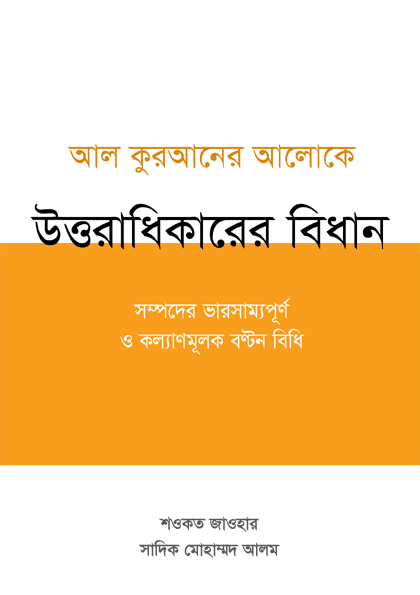
Inheritance: The Quranic Calculus of Economic Justice
**Is the Islamic law of inheritance a rigid set of numbers, or a flexible system of social protection?** For many, the "Science of Shares" (Ilm al-Fara'id) is seen as a dauntingly complex legal maze. This book simplifies the profound by returning to the foundational verses of the Quran (Surah An-Nisa), revealing a system designed not just for the transfer of property, but for the preservation of family dignity and social equilibrium.
By moving beyond traditional sectarian interpretations, the author provides a clear, logic-based analysis of how the Quranic "shares" function as a safety net. The book emphasizes that inheritance in Islam is a "Divine Limit" (Hudud-Allah)—a boundary that, when respected, prevents the concentration of wealth and ensures that every legitimate heir, regardless of gender or social status, is recognized.

Governance
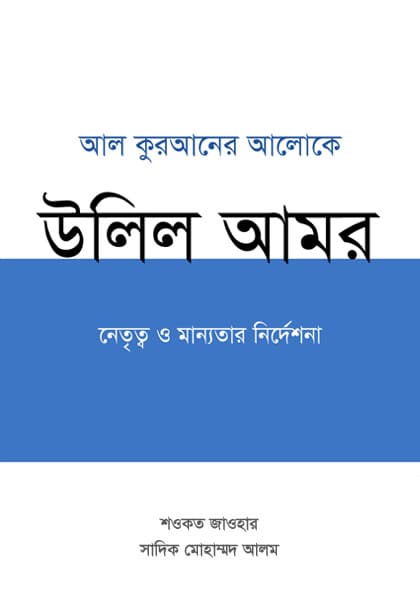
Ulil Amr: Authority and Leadership in the Light of the Quran
**Who holds the right to command, and on what basis?** In a world of conflicting ideologies and political structures, the Quranic concept of Ulil Amr (Those in Authority) is often misunderstood as a mandate for blind obedience to any ruler. This profound study deconstructs that notion, offering a radical and intellectually rigorous analysis of what constitutes legitimate leadership in a God-conscious society.
By examining the linguistic roots and the specific Quranic context of "Command" (Amr), this book demonstrates that true authority is not a birthright or a result of mere power. Instead, it is a functional responsibility bestowed upon those who are deeply rooted in the Permanent Values of the Revelation. The author explores the delicate balance between the "Authority of God" and the "Authority of the People," illustrating how a leadership body must act as a servant to the Law, ensuring justice, security, and the collective welfare of the community.

Partnership
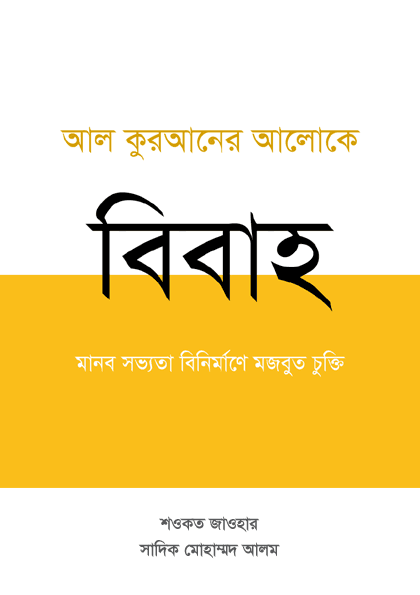
Marriage: A Covenant of Peace and Legal Equity
**Is marriage a religious ritual, a social tradition, or a solemn legal contract?** In many cultures, the essence of marriage is often buried under layers of patriarchal customs and ethnic rituals. This book returns to the Quranic definition of Nikah—not as a mere ceremony, but as a Mithaqan Ghaliza (A Solemn Covenant).
By analyzing the root meanings of Quranic terms, the author presents marriage as a partnership designed for Sakina (tranquility) and Mawadda (love). This study explores the legal rights of both parties, emphasizing the necessity of free will, the true purpose of the Mahr (gift), and the importance of intellectual and spiritual compatibility. It challenges long-standing misconceptions about guardianship and authority, positioning the marital home as a micro-unit of a just and balanced society.

Justice
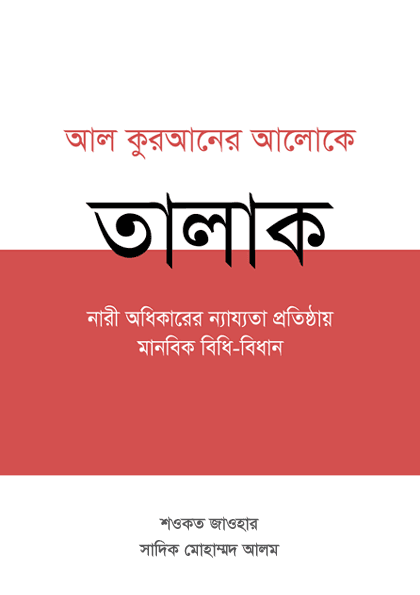
Talaq: Restoring the Quranic Balance in Divorce
**Is divorce a sudden act of anger, or a disciplined legal process?** For too long, the concept of Talaq has been shrouded in misconceptions, often reduced to the harmful practice of "triple talaq" or instant separation. This book serves as a vital corrective, meticulously outlining the Quranic framework for divorce—a process designed to protect the dignity and rights of both men and women, even in the midst of conflict.
By analyzing the specific stages of Talaq found in the Revelation, the author highlights the mandatory roles of arbitration (Hakam), the wisdom of the waiting period (Iddah), and the absolute prohibition of "instant" divorce. The book explores Talaq not as a weapon, but as a last-resort safety valve intended to prevent oppression and ensure that any parting of ways is done with "excellence" (Ihsaan).

Modesty
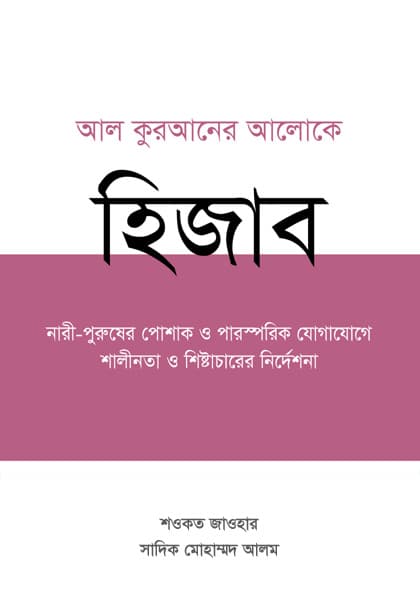
Hijab: The Quranic Philosophy of Modesty and Character
**Is Hijab merely a piece of cloth, or a comprehensive code of conduct?** In contemporary discourse, the "Hijab" is often reduced to a headscarf, sparking intense debates over identity and restriction. This book invites readers to look beyond the fabric and rediscover the Quranic concept of Khimar and Jilbab within their linguistic and social contexts.
By analyzing the root meanings and the specific verses of Surah An-Nur and Surah Al-Ahzab, the author demonstrates that the Quranic mandate is primarily about Modesty of Character and the protection of human dignity. It explores how the "Hijab of the Eyes" precedes the "Hijab of the Body" and how these guidelines were intended to empower individuals to participate in society without being reduced to objects of desire.

Economic Critique
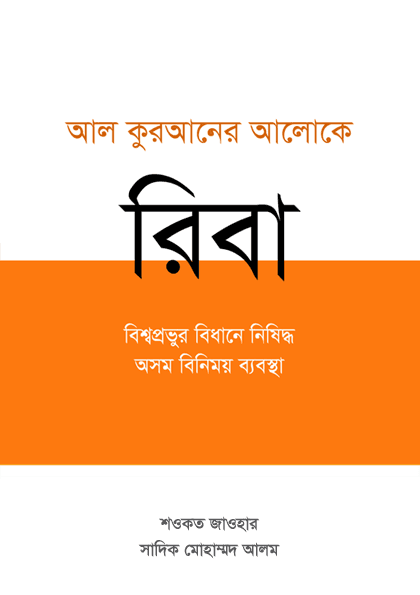
Riba: The Quranic Critique of Interest and Economic Exploitation
**Is interest an unavoidable necessity of modern life, or the root cause of global inequality?** In a world where debt is the default and the wealth gap continues to widen, the Quranic prohibition of Riba is often dismissed as an ancient restriction or a minor banking nuance. This book challenges that view, presenting Riba as a predatory system that stands in total opposition to the Quranic system of Zakat and Infaq.
By analyzing the distinction between "Trade" (Bay') and "Usury" (Riba), the author illustrates how the current interest-based economy functions as a mechanism of wealth extraction from the poor to the rich. This study moves beyond simple "halal banking" fixes to call for a total shift in how we perceive value, capital, and social responsibility. It offers a vision of an economy where money serves the people, rather than people serving the debt.

Human Rights
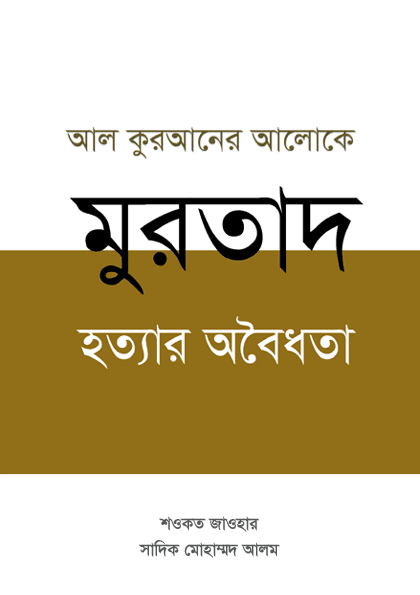
Murtad (Apostasy): The Quranic Case Against the Death Penalty for Apostasy
**Does the Quran permit the killing of those who leave Islam, or does it champion the absolute freedom of belief?** In this rigorous and timely study, the author confronts a centuries-old tradition that has often placed religious dogma above the Divine mandate of liberty. By returning to the foundational principles of the Revelation, this book shatters the misconception that "leaving the faith" is a crime punishable by death.
Through a meticulous analysis of the famous declaration "La ikraha fid-Deen" (There is no compulsion in religion), the book illustrates that faith is only valid when it is chosen freely. The author explores how the Quran addresses those who "believe and then disbelieve" multiple times, noting that the text never prescribes a worldly punishment for this choice, reserving judgment for the Divine alone. This work distinguishes between religious choice and political treason, providing a vital framework for human rights and intellectual freedom within an Islamic context.