
Securing the Digital Public Square: My Takeaways from the BIGD Research Discussion on Women’s Leadership
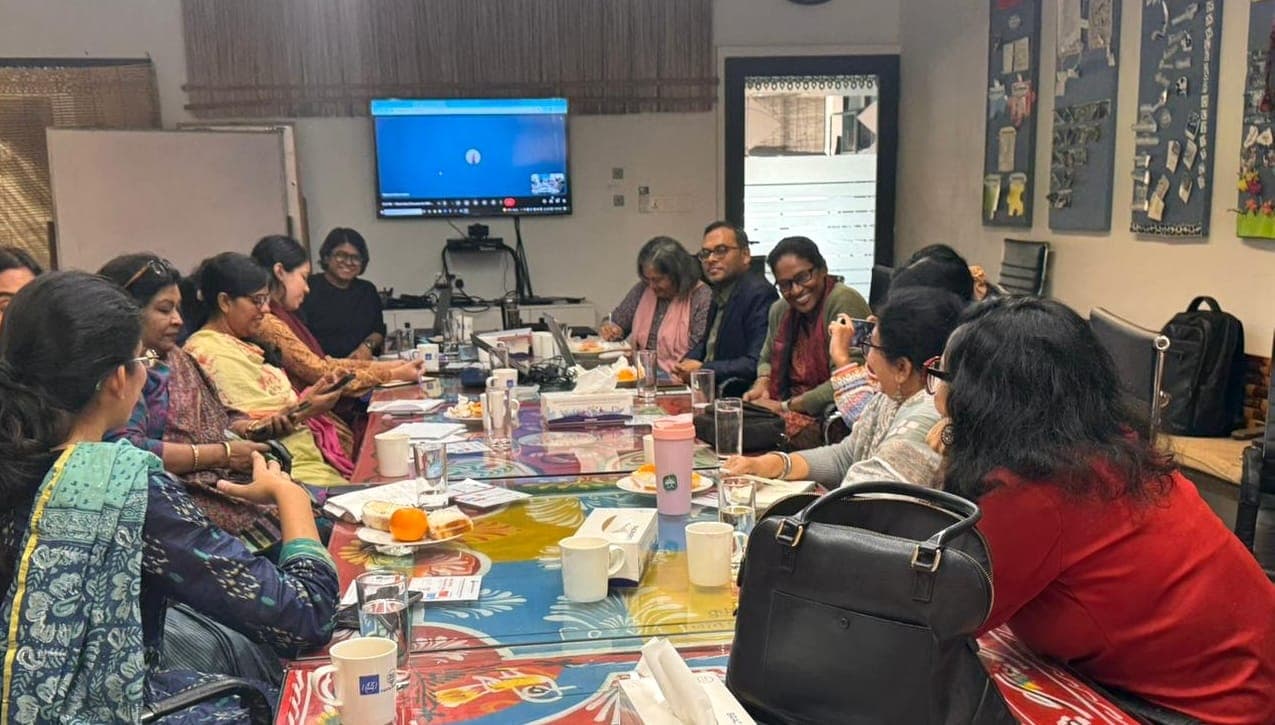
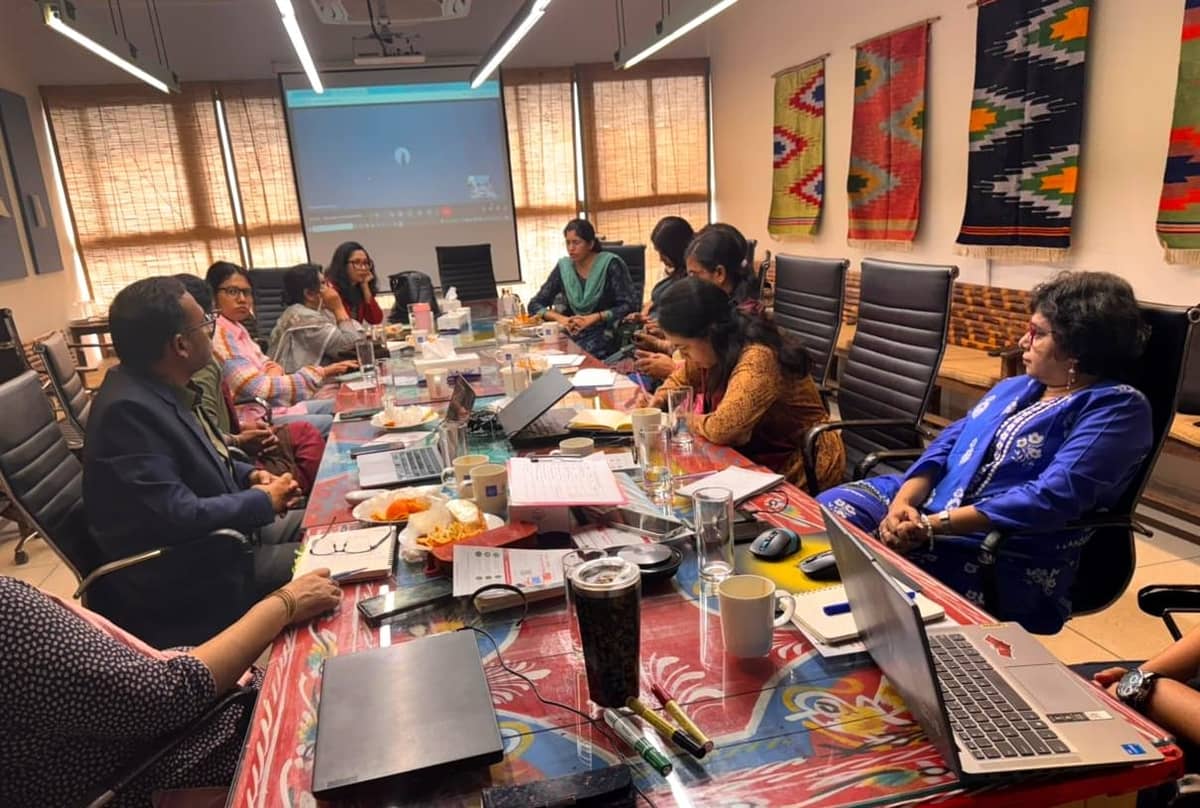
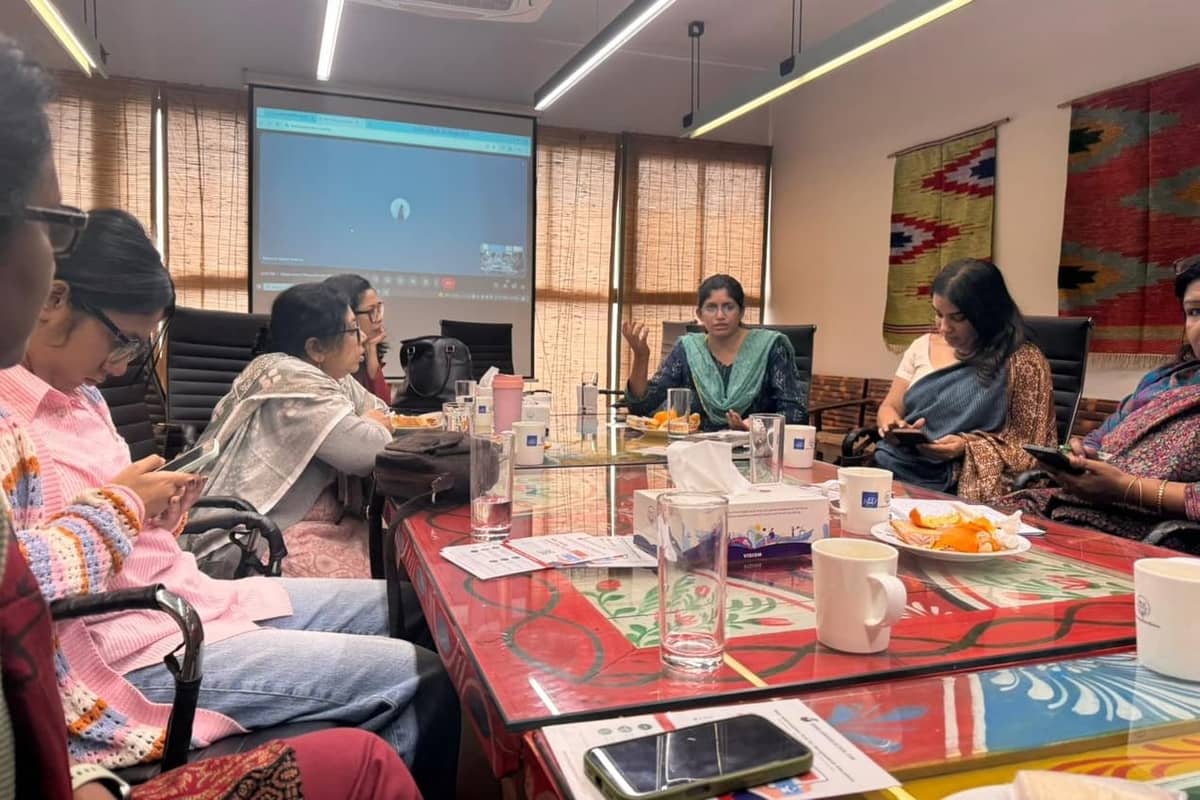
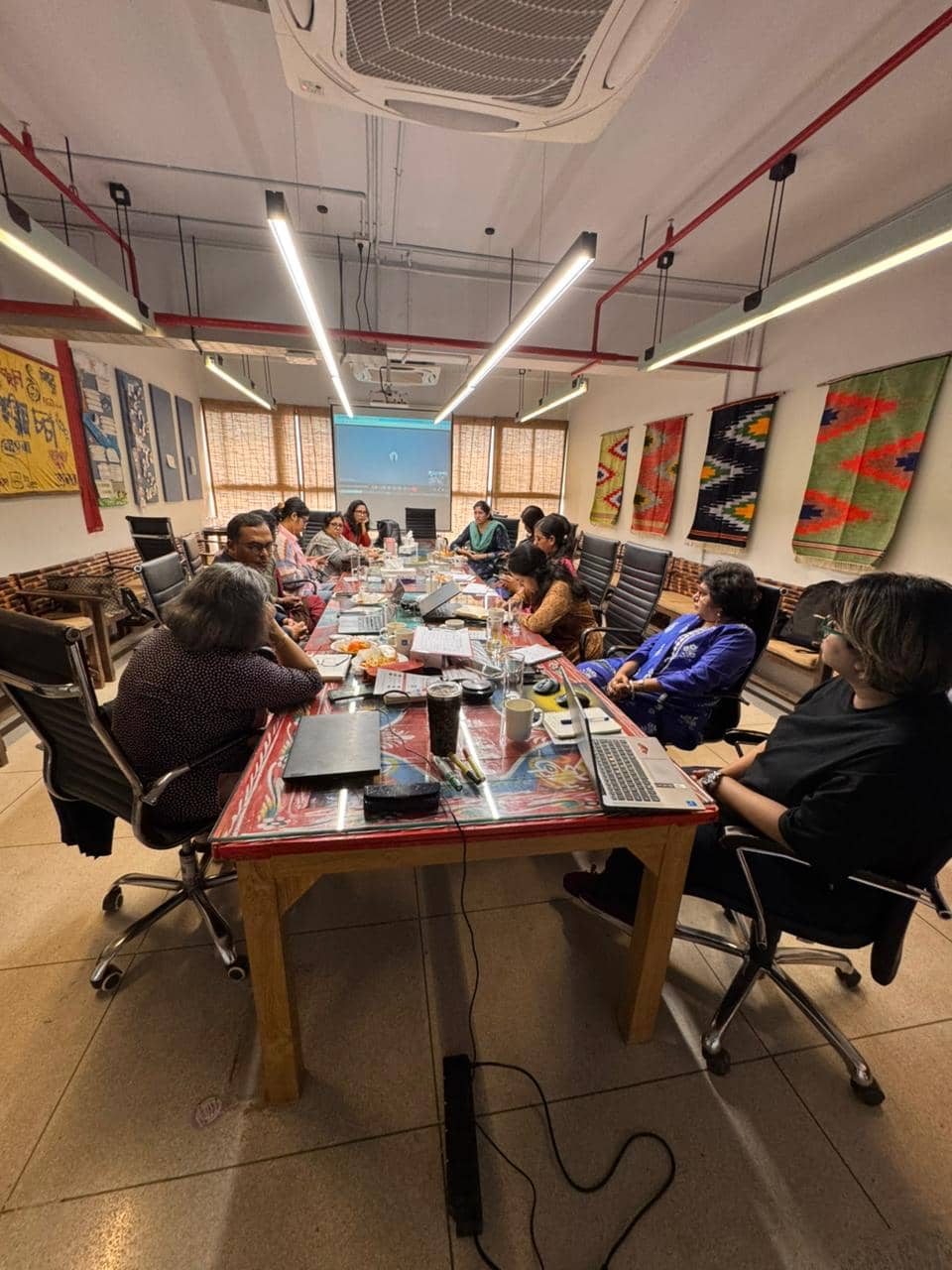
On January 19, 2026, I had the distinct privilege of participating in a pivotal research discussion hosted by the BRAC Institute of Governance and Development (BIGD). The focus of the study was both urgent and necessary: understanding the trajectory of women’s leadership and the advancement of gender equality in Bangladesh following the July 2024 uprising.
Sitting alongside dedicated researchers, cultural activists, and development workers, we unpacked the evolving opportunities and the steep barriers facing women in our rapidly changing political landscape.
The Silent Barrier: Digital Violence
While the group reviewed the broader constraints on political representation and shared various constituency-based initiatives, a critical part of our dialogue centered on the gender-based violence faced by candidates and activists.
Architecting IT infrastructure and enterprise systems over the last two decades has ingrained in me a fundamental truth: technology is only as empowering as the safety it provides its users. When tracking violence-related news across our media ecosystems or analyzing data patterns of digital behavior in South Asia, a stark reality emerges—the internet is frequently weaponized to silence female voices.
My Contribution as a Technology Expert
I joined this panel specifically as a Technology Expert to shine a light on Technology-Facilitated Gender-Based Violence (TFGBV). I stressed to the group that we simply cannot advocate for women's political inclusion without addressing the digital minefield they are forced to navigate.
Online harassment, coordinated smear campaigns, and digital character assassination are not secondary issues; they are primary roadblocks. This type of violence creates a severe chilling effect. It actively discourages women from participating in political activism, stepping into leadership roles, and claiming their rightful place in public spaces. If our digital spaces remain hostile, we risk rolling back the very progress our recent political movements fought to achieve.
Practical Measures for a Safer Ecosystem
To prevent women from shying away from politics, I outlined several practical, tech-driven measures that must be integrated into future policymaking and platform governance:
-
Algorithmic Accountability & Localized AI: We need smarter, locally adapted AI moderation tools trained on Bengali linguistics to rapidly detect and flag gendered hate speech and coordinated propaganda before it inflicts harm.
-
Rapid-Response Fact-Checking: Social media misinformation thrives on speed. Establishing robust, independent fact-checking networks is essential to immediately debunk false narratives and deepfakes targeting female leaders.
-
Digital Safety Infrastructure: Political activists need accessible resources for digital hygiene, secure communications, and direct, expedited reporting lines to social media platforms to quickly mitigate doxing and harassment.
Looking Ahead
The path to true social democracy and equitable representation requires safe public spaces, both physical and digital. It was incredibly inspiring to exchange ideas at BIGD and contribute a technological perspective to this vital research. I am highly optimistic about the new pathways we can build for women’s political leadership in Bangladesh.
هل أنت مهتم بأحداث مماثلة؟
تواصل معنا لدعوة صادق محمد علم إلى مناسبتك القادمة أو مناقشة أوجه التعاون المحتملة.
تواصل معنا